
Dr S S Soni
About Me
Dr S S Soni
MD
Cardiologist
10 Years Experience
Biography
My Clinic
OPD Hours
| Monday | Morning | 10:00 AM | - | 02:00 PM |
| Evening | 06:00 PM | - | 09:00 PM | |
| Tuesday | Morning | 10:00 AM | - | 02:00 PM |
| Evening | 06:00 PM | - | 09:00 PM | |
| Wednesday | Morning | 10:00 AM | - | 02:00 PM |
| Evening | 06:00 PM | - | 09:00 PM | |
| Thursday | Morning | 10:00 AM | - | 02:00 PM |
| Evening | 06:00 PM | - | 09:00 PM | |
| Friday | Morning | 10:00 AM | - | 02:00 PM |
| Evening | 06:00 PM | - | 09:00 PM | |
| Saturday | Morning | 10:00 AM | - | 02:00 PM |
| Evening | 06:00 PM | - | 09:00 PM | |
| Sunday | Morning | 10:00 AM | - | 02:00 PM |
| Evening | 06:00 PM | - | 09:00 PM |
Treatments
Specialised care and treatments offered
CHOLESTEROL MANAGEMENT

The management of cholesterol levels is vital for maintaining cardiovascular health. High cholesterol can lead not only to arterial blockages but also increase risks associated with coronary artery disease significantly over time if left unchecked.
- Key symptoms sometimes manifest as chest discomfort or shortness of breath linked closely with elevated cholesterol prompting medical evaluations eventually!
- A lipid panel test helps measure different types such as LDL (‘bad’) vs HDL (‘good’) cholesterol providing foundational information about patient risk profiles further guiding interventions taken moving forward too .
- Treatment plans might involve personalized dietary advice focused on reducing saturated fats coupled alongside prescribed statins according recommendations derived from updated guidelines pertinent specifically tailored based upon age/gender factors amongst others disclosed beforehand including necessary lifestyle adaptations overall enhancing commitment strengthening success rates achieved successfully during follow up visits thereafter .
These methods aim primarily toward decreasing cardiovascular event occurrences promoting healthier futures through informed decisions impacting daily routines positively!
HYPERTENSION MANAGEMENT
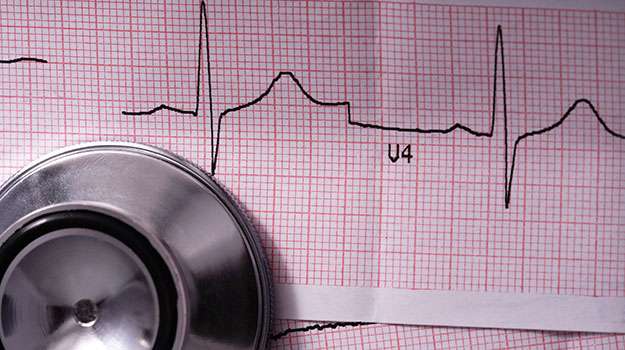
Effective hypertension management is crucial for preventing complications such as heart attacks and strokes. It encompasses various strategies tailored specifically for each patient's needs regarding high blood pressure control.
- The common symptoms, often referred to as 'silent killers,' may present headaches or blurred vision but many patients experience no signs at all until significant damage occurs within organs over time.
- A thorough assessment by your cardiologist includes measuring blood pressure levels routinely alongside other diagnostic tests like blood tests or EKGs.
- Treatment options include lifestyle modifications—such as dietary changes—and medication regimens customized based on individual responses for optimal results over time.
- Regular follow-ups play an important role in maintaining target blood pressures while minimizing side effects from any prescribed medications.
Many patients find that effective management leads not only towards better numbers but enhanced everyday vitality!
ATRIAL FIBRILLATION ABLATION
Atrial fibrillation ablation is an advanced technique used to treat irregular heartbeats by destroying small areas of heart tissue that trigger abnormal electrical signals. This method provides relief from typical AFib symptoms like palpitations and fatigue.
- Common symptoms associated with atrial fibrillation include rapid heartbeat, weakness, dizziness, or even chest pain during episodes of AFib.
- A diagnosis is often confirmed through Holter monitoring or electrophysiological studies assessing the electrical activity within the heart chambers.
- Treatment choices may range from medications targeting AFib management to catheter-based ablation procedures where targeted energy eliminates aberrant impulses leading to arrhythmias.
- The ablation procedure generally requires minimal hospital stay and allows for faster recovery times due to modern techniques employed today.
This treatment aims not only for symptom relief but also significantly lowers risks associated with stroke related to atrial fibrillation over time.
PACEMAKER IMPLANTATION
A pacemaker is a small device implanted under the skin that helps regulate abnormal heart rhythms (arrhythmias). This treatment ensures that your heart beats at a normal rate and rhythm consistently.
- Pacemaker candidates often exhibit symptoms such as dizziness, fainting spells, or unexplained fatigue related to their irregular heartbeat.
- The detection process includes electrocardiograms (ECGs) which help identify arrhythmia patterns accurately.
- This procedure is usually performed under local anesthetic and involves minimal recovery time compared to traditional surgeries.
- After implantation, routine follow-ups will ensure the device is functioning optimally and adjustments can be made if necessary.
- Your overall well-being tends to improve significantly after receiving a pacemaker, empowering you to engage in regular activities without fear of sudden symptoms striking again.
Pacemaker therapy plays a critical role in effectively managing patients' quality of life with cardiac rhythm disorders.
HEART VALVE REPAIR
Heart valve repair procedures are essential when one or more heart valves don’t function correctly. Issues such as stenosis or regurgitation can impede blood flow through the heart and lead to serious complications.
- The most common symptoms include fatigue, palpitations, and difficulty breathing during activities.
- Valvular heart diseases can be diagnosed through echocardiograms or cardiac MRI scans which assess valve function.
- Treatment often involves repairs using minimally invasive techniques that preserve valve structure without complete replacement.
- Your doctor may suggest medications alongside surgery to help manage symptoms effectively.
- Patients usually experience significant improvements in symptoms following successful repair surgeries and can return to normal activities dramatically sooner than anticipated.
This approach not only alleviates discomfort but also enhances long-term cardiovascular health.
CORONARY ANGIOPLASTY
Coronary angioplasty is a minimally invasive procedure aimed at opening narrowed or blocked coronary arteries, helping to restore blood flow to the heart muscle. This treatment is often performed in conjunction with the placement of a stent.
- Symptoms of coronary artery disease may include chest pain, shortness of breath, and fatigue during physical activity.
- Diagnosis typically involves tests such as an angiogram, which provides images of the coronary arteries.
- Treatment options include lifestyle changes, medications, and in some cases, surgical interventions like bypass surgery.
- During angioplasty, a catheter with a balloon is inserted into the artery and then inflated to expand the narrowed area.
- After the procedure, patients can expect monitoring for a few hours before being discharged, along with guidance on post-procedure care.
This procedure significantly reduces symptoms and improves quality of life for many patients living with heart disease.