
Dr S S Tambi
About Me
Dr S S Tambi
MBBS
General Physician
10 Years Experience
Biography
My Clinic
OPD Hours
| Monday | Morning | 10:00 AM | - | 02:00 PM |
| Evening | 06:00 PM | - | 09:00 PM | |
| Tuesday | Morning | 10:00 AM | - | 02:00 PM |
| Evening | 06:00 PM | - | 09:00 PM | |
| Wednesday | Morning | 10:00 AM | - | 02:00 PM |
| Evening | 06:00 PM | - | 09:00 PM | |
| Thursday | Morning | 10:00 AM | - | 02:00 PM |
| Evening | 06:00 PM | - | 09:00 PM | |
| Friday | Morning | 10:00 AM | - | 02:00 PM |
| Evening | 06:00 PM | - | 09:00 PM | |
| Saturday | Morning | 10:00 AM | - | 02:00 PM |
| Evening | 06:00 PM | - | 09:00 PM | |
| Sunday | Morning | 10:00 AM | - | 02:00 PM |
| Evening | 06:00 PM | - | 09:00 PM |
Treatments
Specialised care and treatments offered
COMMON COLD
The common cold is a viral infection affecting the upper respiratory tract. Symptoms typically manifest within one to three days after exposure and can vary widely from person to person.
- Symptoms : Runny or stuffy nose accompanied by sore throat cough sneezing mild headache mild fever lasting about week typically appearing like other flu-like illnesses too making diagnosis crucial carefully assessing each patient situation .
- Causes : The rhinovirus primarily spreads through close contact with an infected person surfaces touching hand hygiene important preventive measures since viruses remain active on surfaces hours .
- Diagnosis : Healthcare providers diagnose based on clinical evaluation identifying characteristic signs symptoms eliminating need for extensive laboratory testing most cases straightforward .
- Treatment/Management : No cure exists however supportive care including rest hydration warm fluids over-the-counter medications alleviate discomfort manage fever ease symptoms significantly improving well-being enhancing recovery time considerably ; antibiotics ineffective against viral infections .
- What To Expect : Most individuals recover fully within week however persistent prolonged coughing warrant follow-up evaluations ensuring no complications develop considering intervention options available managing recurrent episodes effectively providing reassurance throughout treatment journey .
Taking preventive precautions maintaining good hygiene practices minimizes risk of contracting colds promoting vigilant self-care habits vital staying healthy !
GASTROESOPHAGEAL REFLUX DISEASE (GERD)

This digestive disorder occurs when stomach acid frequently flows back into the esophagus causing irritation. GERD not only affects comfort but can lead to more serious complications if left untreated.
SEASONAL ALLERGIES

Seasonal allergies occur when the immune system overreacts to harmless substances like pollen. These allergies typically peak at specific times of the year based on environmental triggers present during seasons.
- Symptoms: Common reactions include sneezing, itchy eyes/nose/throat, nasal congestion or runny nose along with fatigue due to disturbed sleep patterns caused by these symptoms.
- Causes: Pollen from trees in springtime or grasses during summer months commonly induces allergic responses; mold spores also contribute depending on seasonal conditions.
- Diagnosis: Allergy testing through skin pricks or blood tests helps identify which allergens are responsible for one’s symptoms during certain times of the year.
- Treatment/Management : Antihistamines offer symptom relief; avoiding known triggers plays a crucial role alongside potential allergy shots for long-term benefits if appropriate.
- What to expect : Proactive management allows many individuals experiencing seasonal allergies to navigate their environment comfortably while minimizing discomfort effectively.
Understanding your triggers fosters more effective coping strategies during allergy seasons.
OBESITY MANAGEMENT
Obesity is defined as an excessive accumulation of body fat that poses health risks. It significantly impacts overall health and requires a multifaceted approach for effective management.
- Symptoms: Indicators include increased body mass index (BMI), difficulty performing daily activities, joint pain, fatigue, and associated metabolic disorders like diabetes.
- Causes: Factors contributing to obesity include poor diet choices high in sugars and fats, sedentary lifestyles, genetic predispositions, and emotional factors influencing eating behavior.
- Diagnosis: Medical assessment including BMI calculation alongside waist circumference measurements help confirm obesity status. Additionally, doctors might evaluate medical history for related conditions.
- Treatment/Management: Strategies typically involve lifestyle changes such as adopting a balanced diet rich in nutrients combined with regular physical activity tailored to the individual’s capabilities.
- What to expect: Successful weight loss requires commitment; gradual changes yield sustainable results over time enhancing overall well-being.
Pursuing focused support from healthcare professionals can significantly enhance success rates in managing obesity effectively.
DIABETES MANAGEMENT
Diabetes is a chronic condition that affects how your body processes glucose (sugar). It requires ongoing care and careful management to prevent complications.
- Symptoms: Increased thirst and hunger, frequent urination, fatigue, blurred vision, and slow-healing wounds are common indicators.
- Causes: Type 1 diabetes is often due to genetic factors while Type 2 is linked to lifestyle choices such as inactivity and poor diet.
- Diagnosis: Testing involves measuring blood sugar levels through fasting tests or oral glucose tolerance tests conducted by healthcare professionals.
- Treatment/Management: Management includes dietary changes, physical activity enhancements, monitoring blood sugar levels regularly, and possibly insulin therapy for some patients.
- What to expect: With effective management strategies in place, individuals with diabetes can lead healthy lives without significant limitations on daily activities.
A comprehensive approach tailored to individual needs enhances successful diabetes management.
HYPERTENSION
Hypertension, or high blood pressure, is a common condition that often goes unnoticed until it causes serious health issues. It can affect anyone and is influenced by various factors such as lifestyle and genetics.
- Symptoms: Often asymptomatic, but may include headaches, shortness of breath, or nosebleeds in severe cases.
- Causes: Factors include obesity, excessive salt intake, lack of physical activity, alcohol consumption, and stress.
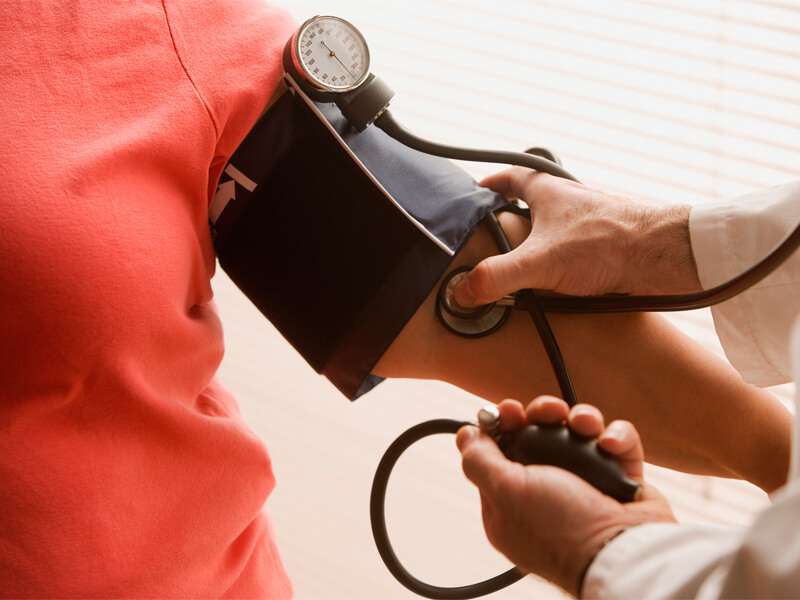
- Diagnosis: Blood pressure readings taken during routine check-ups are the primary method; further tests may be recommended to determine underlying causes.
- Treatment/Management: Lifestyle modifications such as a balanced diet, regular exercise, quitting smoking, and medication if necessary.
- What to expect: With proper management, most individuals can maintain healthy blood pressure levels and reduce associated risks.
Monitoring your blood pressure regularly can aid in early detection and effective management of hypertension.