
Dr Sachin Bhonsle
About Me
Dr Sachin Bhonsle
Internal Medicine
Biography
My Clinic
OPD Hours
| Tuesday | Morning | 10:00 AM | - | 02:00 PM |
| Evening | 06:00 PM | - | 09:00 PM | |
| Wednesday | Morning | 10:00 AM | - | 02:00 PM |
| Evening | 06:00 PM | - | 09:00 PM | |
| Thursday | Morning | 10:00 AM | - | 02:00 PM |
| Evening | 06:00 PM | - | 09:00 PM | |
| Friday | Morning | 10:00 AM | - | 02:00 PM |
| Evening | 06:00 PM | - | 09:00 PM | |
| Saturday | Morning | 10:00 AM | - | 02:00 PM |
| Evening | 06:00 PM | - | 09:00 PM | |
| Sunday | Morning | 10:00 AM | - | 02:00 PM |
| Evening | 06:00 PM | - | 09:00 PM | |
| Thursday | Morning | 10:00 AM | - | 02:00 PM |
| Evening | 06:00 PM | - | 09:00 PM |
Treatments
Specialised care and treatments offered
ANEMIA EVALUATION
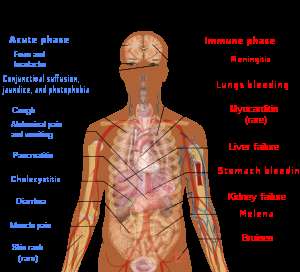
Anemia is a condition characterized by a deficiency of red blood cells or hemoglobin in the bloodstream. This deficiency can hinder oxygen transport throughout the body leading to various health issues if left unchecked!
ASTHMA MANAGEMENT
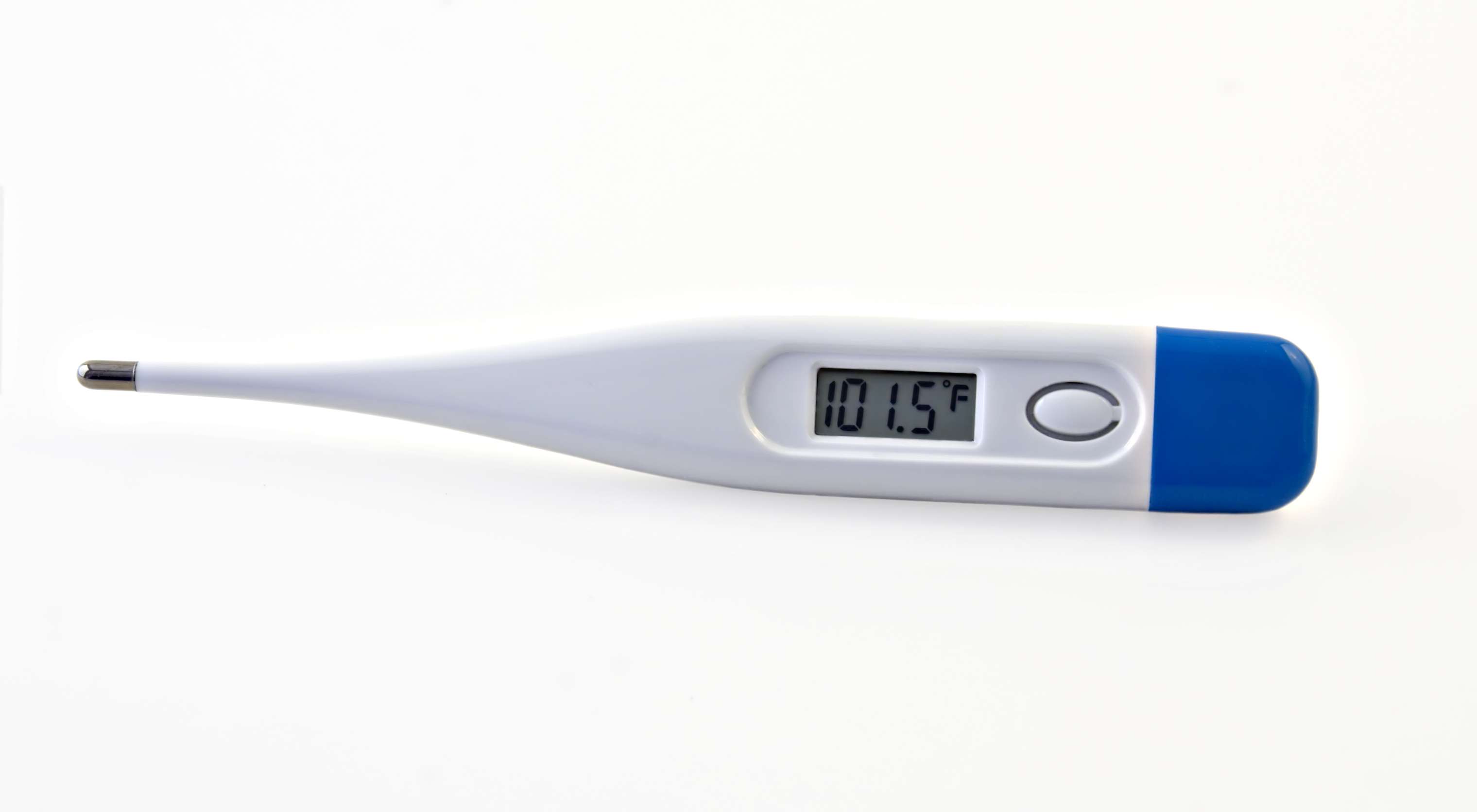
Asthma is a chronic respiratory condition marked by inflammation of the airways leading to breathing difficulties. Effective management allows individuals to maintain an active lifestyle despite this condition's challenges!
- Symptoms : Wheezing, shortness of breath, chest tightness, and coughing typically characterize asthma-related symptoms.
- Causes : Triggers vary among individuals but often include allergens like pollen or pet dander along with environmental pollutants & tobacco smoke.
- Diagnosis : A thorough clinical history combined with pulmonary function tests aids in confirming asthma presence & severity.
- Treatment options : Common strategies involve bronchodilators for immediate relief & inhaled corticosteroids for long-term control; avoiding triggers remains crucial too!
- What to expect : With appropriate management plans tailored individually through close follow-up care ensures better quality of life while reducing exacerbation frequency!
An individualized approach empowers those living with asthma—enabling them greater freedom throughout daily activities!
CHRONIC KIDNEY DISEASE (CKD) MANAGEMENT
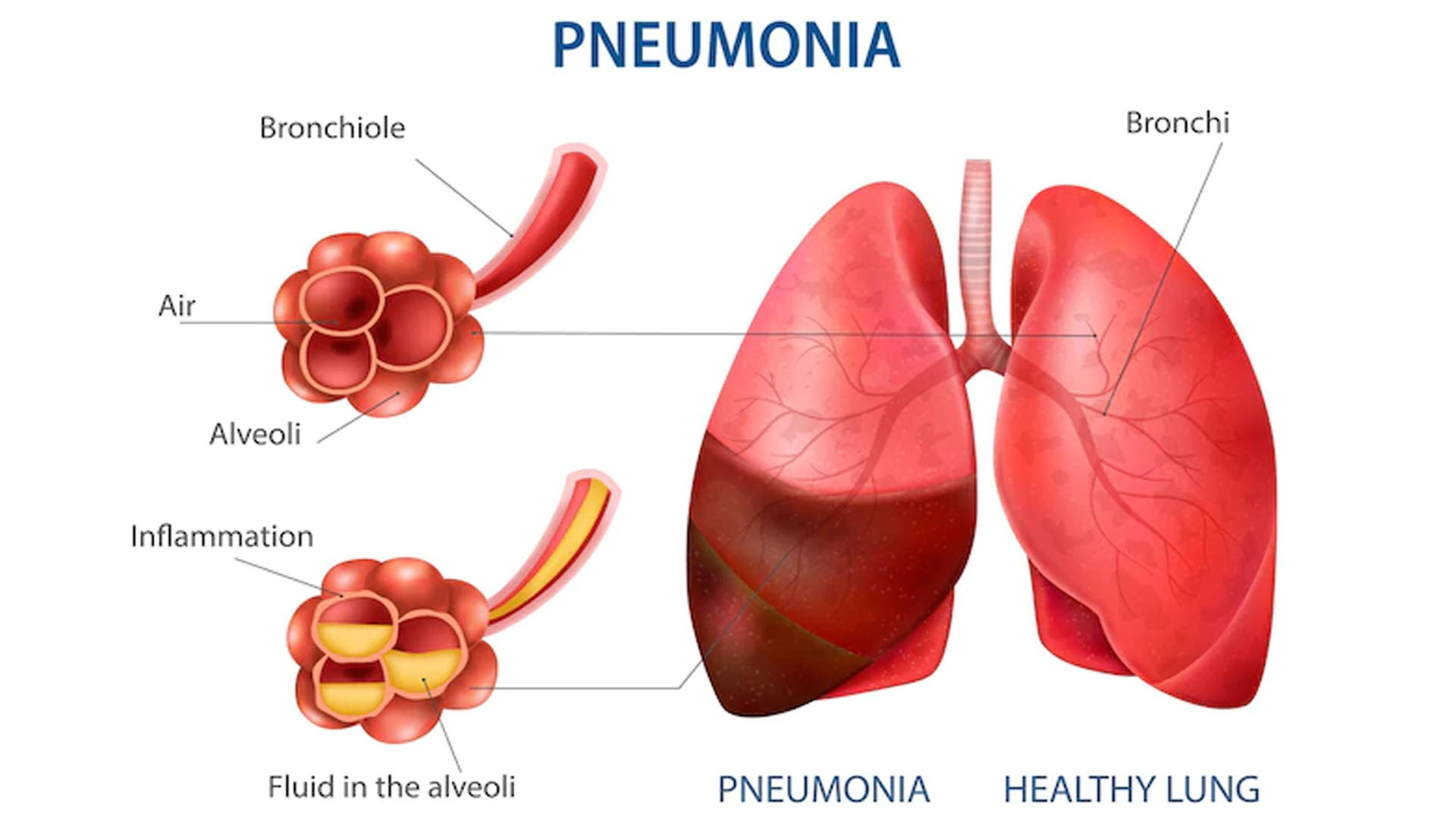
Chronic kidney disease (CKD) involves gradual loss of kidney function over time. It can lead to serious health issues if not managed properly. Early detection is key!
- Symptoms: Initial stages may present no symptoms; later stages might exhibit swelling in legs or frequent urination at night (nocturia).
- Causes: Diabetes and hypertension are leading causes; other contributing factors include genetic predisposition and certain medications.
- Diagnosis: Blood tests measuring creatinine levels alongside urinalysis can help diagnose CKD effectively.
HYPERLIPIDEMIA TREATMENT
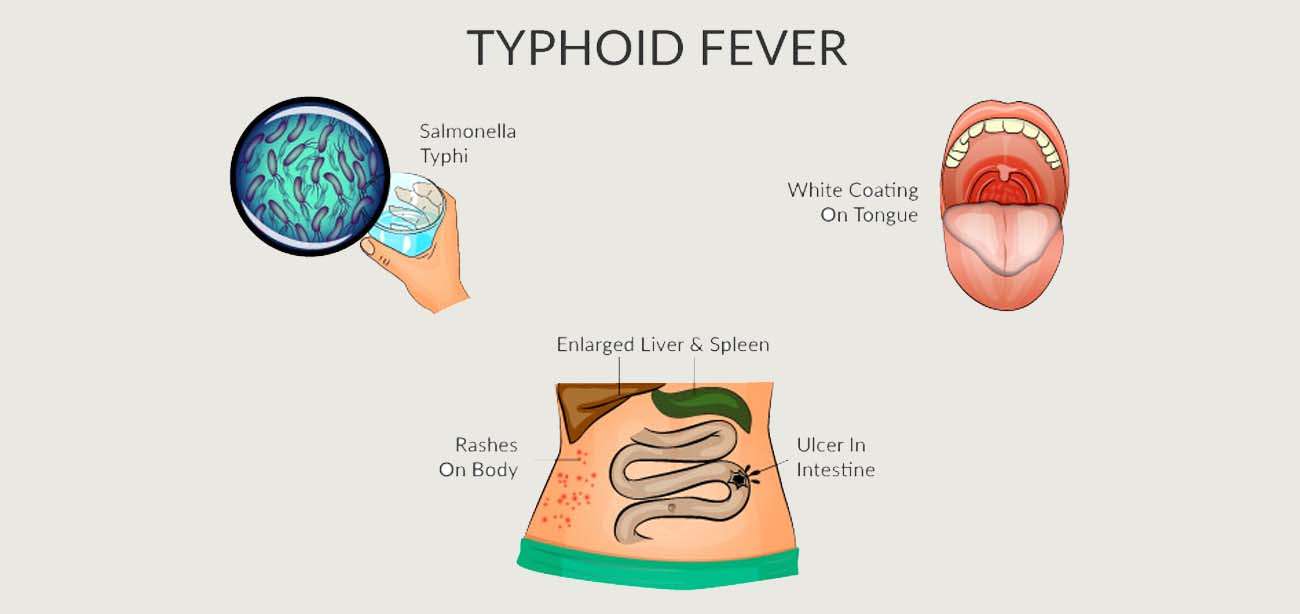
Hyperlipidemia refers to elevated levels of lipids (fats) in the blood, increasing the risk for cardiovascular diseases. Understanding this condition is essential for prevention strategies.
- Symptoms: Often asymptomatic; many people may not realize they have high cholesterol until a related health issue arises.
- Causes: Common causes include poor dietary choices high in saturated fats and trans fats along with sedentary habits.
- Diagnosis: A lipid panel test measures cholesterol levels and identifies abnormalities in lipid profiles.
- Treatment options: Lifestyle modifications such as adopting a heart-healthy diet play a critical role; statins or other medications may be recommended if necessary.
- What to expect: With adherence to treatment plans and monitoring lipid levels regularly, patients can significantly lower their cardiovascular risk factors over time.
A proactive approach towards managing hyperlipidemia contributes greatly toward long-term health enhancement.
DIABETES MELLITUS CARE
Diabetes mellitus is a chronic condition that affects how your body processes glucose. Managing diabetes is vital to prevent complications such as heart disease and nerve damage.
- Symptoms: Increased thirst, frequent urination, fatigue, and blurred vision are common indicators of diabetes.
- Causes: The condition may arise from genetic factors or unhealthy lifestyle choices that lead to insulin resistance or inadequate insulin production.
- Diagnosis: Blood tests such as fasting blood glucose or HbA1c levels confirm the presence of diabetes.
- Treatment options: Management includes lifestyle changes, blood sugar monitoring, medication such as metformin, and sometimes insulin therapy.
- What to expect: Patients will need ongoing education about self-management techniques and regular follow-ups to optimize their care plan.
A comprehensive approach can help manage diabetes effectively and minimize health risks over time.
HYPERTENSION MANAGEMENT
Hypertension, commonly known as high blood pressure, is a prevalent health issue that can lead to severe complications if left untreated. It often goes unnoticed due to its asymptomatic nature.
- Symptoms: Most individuals may not experience noticeable symptoms until blood pressure reaches dangerously high levels.
- Causes: Factors contributing to hypertension include genetics, poor diet, lack of physical activity, and excessive alcohol consumption.
- Diagnosis: Blood pressure readings, taken on multiple occasions under various circumstances, confirm the diagnosis.
- Treatment options: Lifestyle modifications such as diet changes and regular exercise are essential. Additionally, medications like diuretics and ACE inhibitors are commonly prescribed.
- What to expect: Regular monitoring is crucial for managing hypertension effectively; patients should work closely with their healthcare provider to adjust treatment plans as necessary.
With proper management and lifestyle adjustments, individuals with hypertension can lead healthy lives.