
Dr Sachin Jain AC
About Me
Dr Sachin Jain AC
MBBS
General Physician
10 Years Experience
Biography
My Clinic
OPD Hours
| Monday | Morning | 10:00 AM | - | 02:00 PM |
| Evening | 06:00 PM | - | 09:00 PM | |
| Tuesday | Morning | 10:00 AM | - | 02:00 PM |
| Evening | 06:00 PM | - | 09:00 PM | |
| Wednesday | Morning | 10:00 AM | - | 02:00 PM |
| Evening | 06:00 PM | - | 09:00 PM | |
| Thursday | Morning | 10:00 AM | - | 02:00 PM |
| Evening | 06:00 PM | - | 09:00 PM | |
| Friday | Morning | 10:00 AM | - | 02:00 PM |
| Evening | 06:00 PM | - | 09:00 PM | |
| Saturday | Morning | 10:00 AM | - | 02:00 PM |
| Evening | 06:00 PM | - | 09:00 PM | |
| Sunday | Morning | 10:00 AM | - | 02:00 PM |
| Evening | 06:00 PM | - | 09:00 PM |
Treatments
Specialised care and treatments offered
ANEMIA INVESTIGATION
Anemia occurs when the body does not have enough healthy red blood cells to carry adequate oxygen to tissues. Identifying its cause is key to effective treatment.
RESPIRATORY INFECTION ASSESSMENT

Lung infections range from mild colds to serious pneumonia requiring prompt medical attention for diagnosis and treatment planning.
- Sx presentation: Coughing, sore throat, mucus production along with fever may indicate infection severity level.
- Evolving diagnosis: Physical exam findings combined with chest X-rays or sputum cultures help determine causative agents.
Early recognition followed by appropriate therapy reduces complications associated with respiratory illnesses.
THYROID FUNCTION TESTING

The thyroid gland influences various bodily functions through hormone production; testing its function is important when abnormalities are suspected.
- Pertinent symptoms: Fatigue, weight changes, mood swings, cold intolerance may suggest thyroid imbalance.
- Diagnostic methods: Blood tests measuring TSH, T3, and T4 hormones provide insight into gland performance.
- Treatment options: Depending on results, hormone replacement or suppression therapy might be initiated under supervision.
- Mild cases monitoring: Some patients only require follow-up without immediate treatment if values are borderline.
A thorough evaluation ensures appropriate management to restore hormonal balance efficiently and safely.
ROUTINE HEALTH CHECK-UP
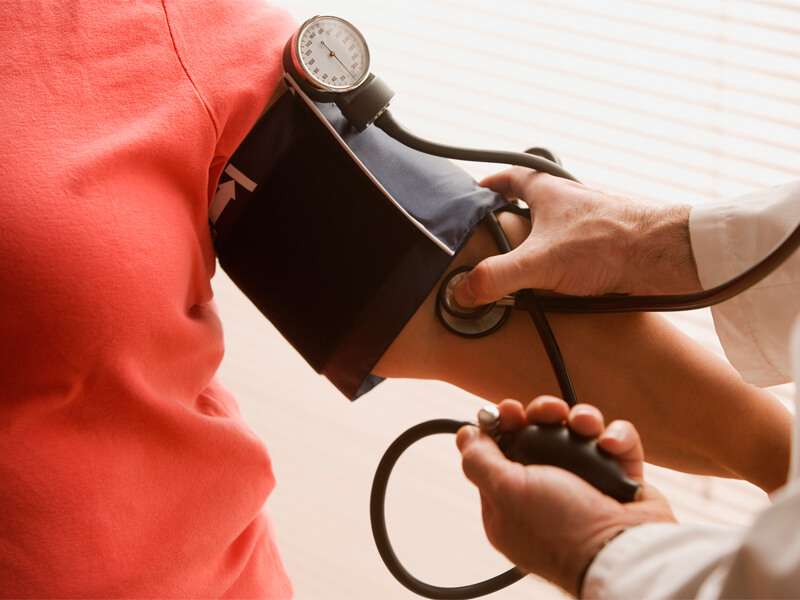
A routine health examination is vital for early detection of underlying conditions before symptoms arise.
- Purpose: To evaluate overall health status using clinical history and physical examination.
- Components: Includes measuring vital signs, basic lab tests like CBC and lipid profile, and sometimes ECGs depending on risk factors.
- Benefits: Enables timely intervention reducing the chance of chronic disease progression.
- Frequency: Usually recommended annually or based on individual risk profiles.
This proactive approach supports maintaining health and identifying concerns at the earliest stage possible.
DIABETES MELLITUS EVALUATION

Diabetes mellitus is an ongoing metabolic disorder characterized by high blood sugar levels due to insulin issues.
- Symptoms include: increased thirst, frequent urination, fatigue, and blurred vision.
- Diagnostic tests: Blood glucose levels are assessed through fasting plasma glucose or HbA1c tests.
- Treatment: May involve dietary regulation, oral medications, insulin therapy, and lifestyle adjustments.
- Management goals: Maintaining stable blood sugar helps prevent complications like neuropathy or kidney damage.
An individualized care plan combined with periodic monitoring plays a key role in effective diabetes control.
HYPERTENSION MANAGEMENT

High blood pressure, or hypertension, is a common condition that requires careful monitoring and control to prevent serious health complications.
- Causes and symptoms: Often asymptomatic, but can be influenced by genetics, lifestyle, and diet.
- Diagnosis: Measured using multiple blood pressure readings over time to confirm elevated levels.
- Treatment approaches: Lifestyle changes such as dietary modifications, exercise, and medication may be prescribed.
- Monitoring: Regular follow-up visits are crucial to ensure blood pressure targets are met safely.
Adopting these strategies early can effectively reduce risks associated with hypertension like heart disease and stroke.