
Dr Sachit Bhola
About Me
Dr Sachit Bhola
MD
Anesthesiologist
Biography
My Clinic
OPD Hours
| Monday | Morning | 10:00 AM | - | 02:00 PM |
| Evening | 06:00 PM | - | 09:00 PM | |
| Tuesday | Morning | 10:00 AM | - | 02:00 PM |
| Evening | 06:00 PM | - | 09:00 PM | |
| Wednesday | Morning | 10:00 AM | - | 02:00 PM |
| Evening | 06:00 PM | - | 09:00 PM | |
| Thursday | Morning | 10:00 AM | - | 02:00 PM |
| Evening | 06:00 PM | - | 09:00 PM | |
| Friday | Morning | 10:00 AM | - | 02:00 PM |
| Evening | 06:00 PM | - | 09:00 PM | |
| Saturday | Morning | 10:00 AM | - | 02:00 PM |
| Evening | 06:00 PM | - | 09:00 PM | |
| Sunday | Morning | 10:00 AM | - | 02:00 PM |
| Evening | 06:00 PM | - | 09:00 PM |
Treatments
Specialised care and treatments offered
MONITORING DURING SURGERY
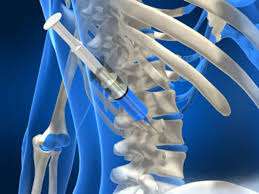
The role of an anesthesiologist extends beyond administering anesthesia; it encompasses vigilant monitoring throughout surgical procedures. Ensuring stable vital signs is critical in maintaining patient safety from start to finish across varying complexities involved in operations performed within operating rooms today!
GENERAL ANESTHESIA TECHNIQUES

The use of general anesthesia facilitates complete unconsciousness throughout major surgical interventions. This method ensures no sensation or awareness occurs during surgery, promoting safety while performing complex operations that require total body relaxation and immobilization.
- Symptoms/causes: Major surgeries necessitating this technique often include abdominal or thoracic procedures where extensive muscular control is required over lengthy periods。
With careful monitoring performed professionally every step along this process helps ensure maximum safety allowing surgeons optimal working conditions thus enhancing outcomes effectively overall。
INTRAVENOUS SEDATION

IV sedation combines medication administered through an intravenous line that produces calmness and reduces anxiety during outpatient procedures. It's commonly used in dental surgeries, minor surgeries, or other specialized treatments requiring patient cooperation without deep unconsciousness.
- Symptoms/causes: Ideal for individuals who experience strong anxiety about medical procedures or those who have difficulty remaining still due to discomfort concerns.
- Diagnosis: A thorough pre-procedural assessment helps determine medication dosages necessary for effective sedation based on patient's physiology and history of procedures attempted previously without sedation.
- Treatment/management options: Medications can be adjusted in real-time based on patient responses, offering personalized care throughout treatment processes.
- What to expect: Patients typically drift in and out of consciousness but can respond when prompted; feelings of relaxation are common as well as potential memory gaps regarding the procedure afterward.
This form of sedation has become increasingly favored for its flexibility and ability to enhance patient experiences across multiple outpatient settings.
REGIONAL ANESTHESIA

Regional anesthesia is utilized to numb specific areas of the body for surgeries while preserving consciousness. It allows comprehensive pain control without full-body effects associated with general anesthesia.
- Symptoms/causes: Conditions warranting regional anesthesia include surgeries on limbs or lower parts of the body where localized pain management is needed.
- Diagnosis: Assessing suitability involves evaluating medical history and planned surgical site details for optimal care delivery.
- Treatment/management options: Options range from nerve blocks to spinal anesthesia based on surgical needs and patient health status.
- What to expect: Patients typically remain awake but should anticipate reduced sensation in targeted areas. Monitoring maintains safety throughout the procedure.
This technique provides effective pain relief while allowing patients active engagement during certain types of surgery.
SEDATION FOR DIAGNOSTIC PROCEDURES

Sedation is an integral part of many diagnostic procedures, providing patients with relaxation and comfort. This technique decreases anxiety and discomfort during potentially painful evaluations like endoscopies or biopsies.
- Symptoms/causes: Anxiety or discomfort related to scheduled diagnostic tests often drive the need for sedation.
- Diagnosis: The sedation plan is determined based on patient health assessments and specific procedural requirements.
- Treatment/management options: Various sedation levels are available, including minimal sedation for routine diagnostics up to deeper levels for more invasive tests.
- What to expect: Patients generally report feeling drowsy but awake; they often have limited memory of the procedure itself due to its effects.
This method not only facilitates smoother procedures but also reassures patients about their comfort during testing phases.
EPIDURAL ANALGESIA

Epidural analgesia is a common procedure used to provide pain relief during labor and surgical interventions. This method involves the administration of local anesthetics into the epidural space of the spinal cord, leading to targeted pain management.
- Symptoms/causes: Patients may experience severe pain during childbirth or surgery, motivating the need for this intervention.
- Diagnosis: Evaluation typically involves assessing patient pain levels, medical history, and discussing previous analgesic responses.
- Treatment/management options: Epidural analgesia can be tailored with various medications to suit individual patient needs.
- What to expect: During the procedure, patients might feel a small prick followed by numbness in the lower body areas. Continuous monitoring ensures effectiveness and safety.
This approach significantly enhances comfort during painful procedures and supports a more positive overall experience for patients.