
Dr Sailesh Lodha
About Me
Dr Sailesh Lodha
MD
ENDOCRINOLOGIST
10 Years Experience
Biography
My Clinic
OPD Hours
| Monday | Morning | 10:00 AM | - | 02:00 PM |
| Evening | 06:00 PM | - | 09:00 PM | |
| Tuesday | Morning | 10:00 AM | - | 02:00 PM |
| Evening | 06:00 PM | - | 09:00 PM | |
| Wednesday | Morning | 10:00 AM | - | 02:00 PM |
| Evening | 06:00 PM | - | 09:00 PM | |
| Thursday | Morning | 10:00 AM | - | 02:00 PM |
| Evening | 06:00 PM | - | 09:00 PM | |
| Friday | Morning | 10:00 AM | - | 02:00 PM |
| Evening | 06:00 PM | - | 09:00 PM | |
| Saturday | Morning | 10:00 AM | - | 02:00 PM |
| Evening | 06:00 PM | - | 09:00 PM | |
| Sunday | Morning | 10:00 AM | - | 02:00 PM |
| Evening | 06:00 PM | - | 09:00 PM |
Treatments
Specialised care and treatments offered
INSULINOMA
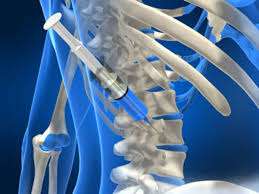
An insulinoma is a rare tumor of the pancreas that secretes insulin excessively leading potentially dangerous drops in blood sugar levels. Understanding this condition helps guide effective management strategies for those affected!
- SIGNIFICANT SYMPTOMS: Patients often report dizziness/faintness especially post-meal times alongside confusion—which could lead onto unconsciousness if unaddressed.
- NAVIGATING DIAGNOSIS: Diagnostic methods commonly involve measuring plasma glucose alongside insulin level fluctuations during fasting periods.
- TREATMENT PATHWAYS: Primary approaches focus heavily upon tumor resection when feasible; otherwise focus shifts toward dietary modifications ensuring smaller more frequent meals rich in proteins while limiting carbohydrates. Finally understanding one has Insulinoma provides hope through early intervention!
THYROID STORM

A thyroid storm is a rare but life-threatening condition arising from untreated hyperthyroidism that leads to extreme symptoms due to excessive thyroid hormone release into the body’s system. Immediate medical intervention is critical during these episodes!
-
Symptoms:
Severe symptoms manifest quickly including high fever exceeding 101°F (38°C), rapid heart rate over 140 beats per minute,
anxiety/agitation leading towards confusion/delirium—often requiring emergency care!
Treatment options:
Usual approaches might involve intravenous fluids & medications such as beta-blockers
aimed at stemming heart rates along with antithyroid drugs.
Prognosis:
In favorable conditions after initiating treatment clinicians could see profound improvements within hours.
Long-term follow-up care will aid in preventing recurrences based on underlying issues.
Seek immediate evaluation whenever severe hyperthyroid-like symptoms arise as they indicate possible risk factors associated too!
ADDISON'S DISEASE

Addison's disease occurs when the adrenal glands do not produce enough hormones like cortisol or aldosterone. It's crucial for maintaining various bodily functions including metabolism and stress response.
- Symptoms: Symptoms often include chronic fatigue, low blood pressure upon standing (orthostatic hypotension), darkening of skin in certain areas (hyperpigmentation), and salt cravings.
- Causes: Autoimmune disorders where the immune system attacks adrenal tissue are common culprits along with infections such as tuberculosis that affect adrenal function.
CUSHING'S SYNDROME

Cushing's syndrome results from prolonged exposure to high cortisol levels. This condition can stem from various causes including tumors on the pituitary gland or adrenal glands that overproduce cortisol.
- Symptoms: Common signs include obesity concentrated around the torso, round face, easy bruising, and muscle weakness.
- Causes: The syndrome can be caused by medications like corticosteroids or by tumors that stimulate cortisol production unexpectedly.
- Diagnosis: Diagnosis involves urine tests measuring cortisol levels over 24 hours or blood tests/imagery for further investigation.
- Treatment: Depending on the cause it may involve tapering off steroid medication or surgical options to remove tumors if present.
- What to expect: With proper treatment interventions many patients find relief from symptoms and a return towards normal cortisol levels in time.
If you suspect Cushing's syndrome due to its serious health implications seeking early assessment is vital for successful management strategies!
HYPERTHYROIDISM

This condition arises when the thyroid gland produces an excess of thyroid hormones. Hyperthyroidism can lead to various complications if not appropriately managed.
- Symptoms: Individuals often experience weight loss despite increased appetite, rapid heartbeat, sweating, and anxiety.
- Causes: Common causes include Graves' disease, toxic nodular goiter, and inflammation of the thyroid gland.
- Diagnosis: Blood tests measuring hormone levels (TSH and T4) help confirm hyperthyroidism along with imaging studies if necessary.
- Treatment: Options range from medication to manage hormone production to radioactive iodine therapy or even surgery in some cases.
- What to expect: Regular monitoring will be essential after treatment to prevent potential recurrence or complications associated with thyroid function.
Timely identification and management are key in mitigating risks associated with this endocrine disorder.
DIABETIC KETOACIDOSIS

Diabetic Ketoacidosis (DKA) is a serious complication of diabetes, primarily affecting those with type 1 diabetes. It occurs when the body runs out of insulin and begins to break down fat for energy, producing acids called ketones.
- Symptoms: Common signs include excessive thirst, frequent urination, nausea, abdominal pain, weakness, and a fruity odor on the breath.
- Causes: DKA can be triggered by infections, missed insulin doses, or significant stress on the body.
- Diagnosis: Diagnosis typically involves blood tests to check glucose levels, ketones in the urine, and electrolyte balance.
- Treatment: Management includes intravenous fluids to rehydrate, insulin therapy to lower blood sugar levels, and monitoring of electrolytes.
- What to expect: With prompt treatment, most patients recover quickly; however, severe cases may require intensive care.
If you suspect DKA, immediate medical attention is crucial as it can become life-threatening if left untreated.