
Dr Sajjan Mehta
About Me
Dr Sajjan Mehta
Internal Medicine
Biography
My Clinic
OPD Hours
| Tuesday | Morning | 10:00 AM | - | 02:00 PM |
| Evening | 06:00 PM | - | 09:00 PM | |
| Wednesday | Morning | 10:00 AM | - | 02:00 PM |
| Evening | 06:00 PM | - | 09:00 PM | |
| Thursday | Morning | 10:00 AM | - | 02:00 PM |
| Evening | 06:00 PM | - | 09:00 PM | |
| Friday | Morning | 10:00 AM | - | 02:00 PM |
| Evening | 06:00 PM | - | 09:00 PM | |
| Saturday | Morning | 10:00 AM | - | 02:00 PM |
| Evening | 06:00 PM | - | 09:00 PM | |
| Sunday | Morning | 10:00 AM | - | 02:00 PM |
| Evening | 06:00 PM | - | 09:00 PM | |
| Thursday | Morning | 10:00 AM | - | 02:00 PM |
| Evening | 06:00 PM | - | 09:00 PM |
Treatments
Specialised care and treatments offered
GASTROESOPHAGEAL REFLUX DISEASE (GERD)
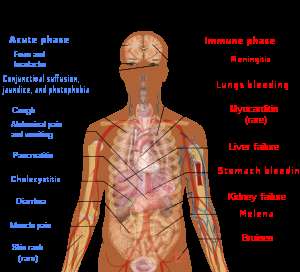
This chronic digestive condition occurs when stomach acid frequently flows back into the esophagus causing irritation. Managing GERD requires understanding triggers as well as treatment options available for symptom relief. Recognizing early signs can help prevent further complications associated with this condition.
ANEMIA EVALUATION
Anemia is a condition characterized by a deficiency in red blood cells or hemoglobin. It results in decreased oxygen delivery throughout the body leading to various health issues. Identifying the type of anemia is crucial for selecting appropriate treatments effectively.
- Symptoms: Common signs include fatigue , weakness , pale skin , dizziness , & shortness of breath on exertion .
- Causes: Iron deficiency , vitamin B12 deficiency , chronic diseases , & bone marrow disorders are potential contributors .
- Diagnosis: Blood tests measuring hemoglobin concentration & additional tests help determine the underlying cause .
- Treatment: Treatment options range from dietary changes (increasing iron-rich foods) to supplements or treatments targeting underlying causes based upon diagnosis .
- What to Expect: Monitoring response through follow-up testing ensures effective recovery from anemia while adjusting treatment plans accordingly as needed .
Anemia management focuses on restoring normal hemoglobin levels which enhances vitality & overall well-being simultaneously .
THYROID DISORDERS
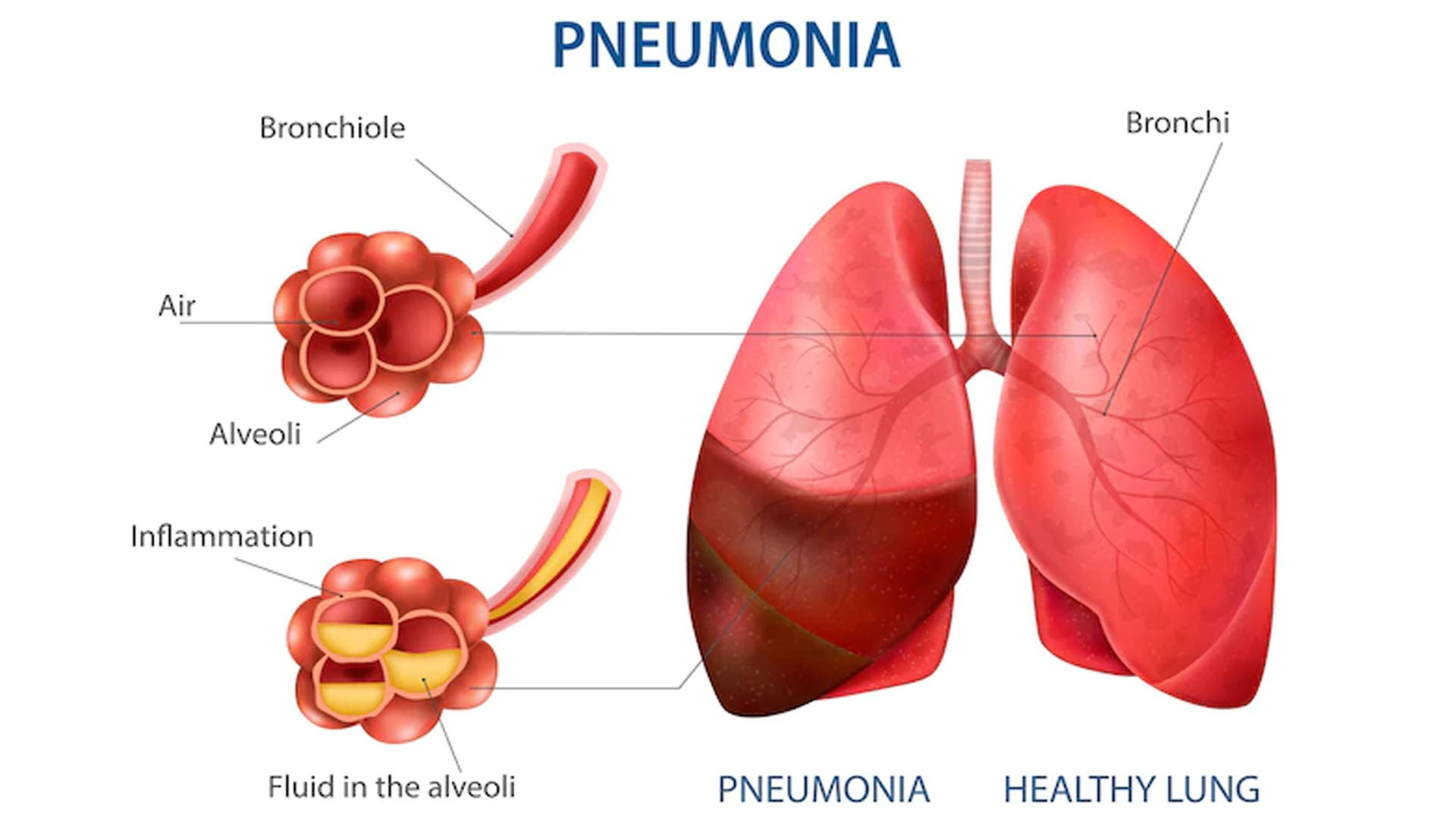
The thyroid gland plays a critical role in regulating metabolism through hormone production. Disorders such as hypothyroidism or hyperthyroidism can disrupt normal bodily functions. Understanding these conditions is essential for appropriate treatment planning.
- Symptoms: Fatigue , weight fluctuations , mood changes , hair loss , & temperature sensitivity & nbsp ; are common signs .
- Causes: Autoimmune diseases , iodine deficiency , & certain medications can affect thyroid function .
- Diagnosis: A combination of blood tests measuring TSH & hormone levels helps confirm thyroid disorders .
- Treatment: Depending on the specific disorder , treatment may involve hormone replacement therapy or medications aimed at managing symptoms .
- What to Expect: Regular monitoring & adjustments in therapy will often be necessary to ensure optimal management .
Effectively addressing thyroid disorders contributes significantly toward enhancing metabolic health & maintaining energy levels .
CHOLESTEROL MANAGEMENT
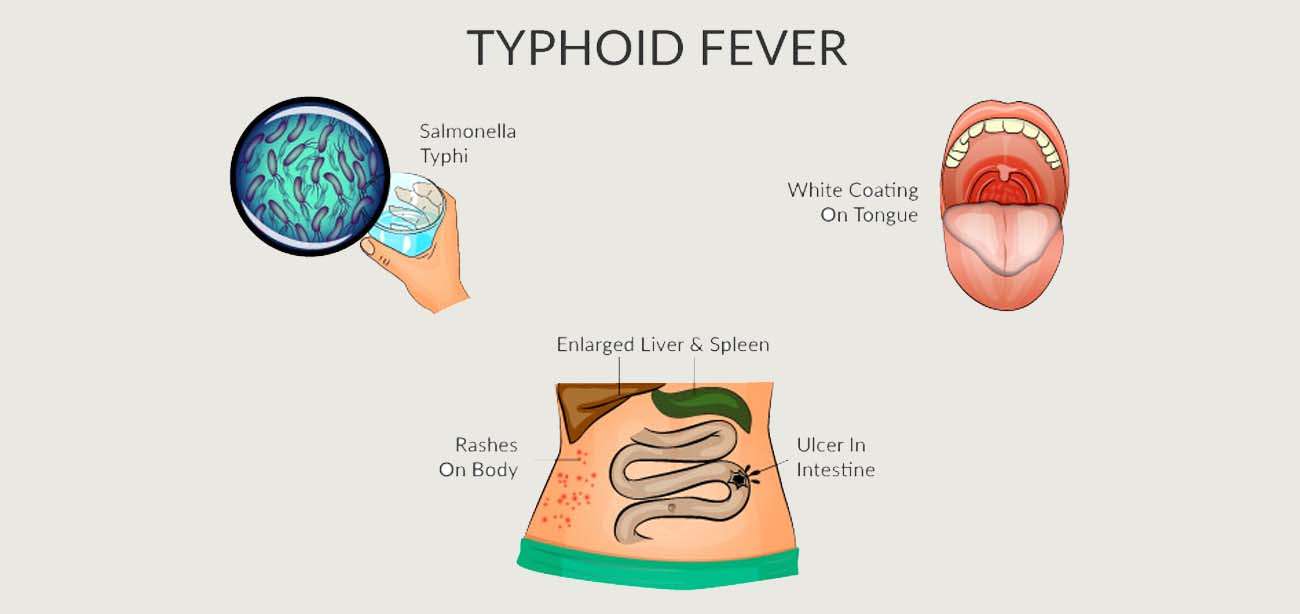
Certain cholesterol levels play a vital role in cardiovascular health. Maintaining optimal cholesterol levels is crucial for reducing the risk of heart disease and stroke. Understanding how cholesterol functions within the body helps inform management strategies.
- Symptoms: High cholesterol usually has no symptoms but can lead to serious conditions like heart attacks over time.
- Causes: Factors include poor dietary choices (high in saturated fats), sedentary lifestyle, obesity, age, and genetic predispositions.
- Diagnosis: A simple blood test measures total cholesterol levels, including LDL (bad) and HDL (good) cholesterol components.
- Treatment: Management strategies encompass dietary changes, increased physical activity, weight loss efforts if needed, and possibly medication such as statins.
- What to Expect: Regular testing will be necessary to monitor cholesterol levels effectively over time while making adjustments as required based on results.
An informed focus on cholesterol management can greatly enhance heart health longevity and overall wellness.
HYPERTENSION
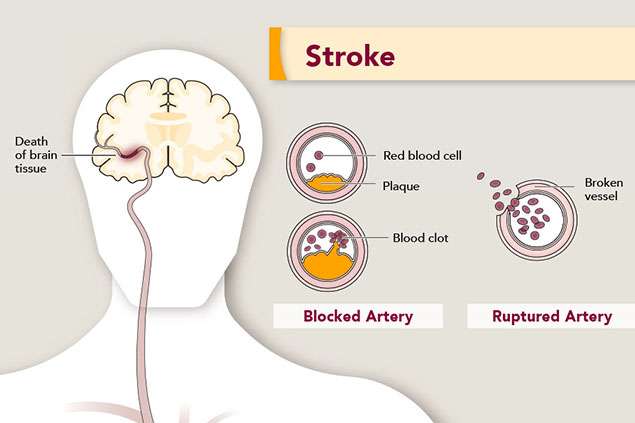
Hypertension, or high blood pressure, is often referred to as the 'silent killer' due to its asymptomatic nature. Regular monitoring is essential since unmanaged hypertension can lead to serious health issues over time.
- Symptoms: Many people experience no symptoms; however, some may have headaches or shortness of breath in severe cases.
- Causes: Contributing factors include genetics, poor diet high in sodium, obesity, lack of exercise, and stress.
- Diagnosis: Blood pressure readings taken during medical check-ups help determine if hypertension is present.
- Treatment: Lifestyle modifications such as diet changes and increased physical activity may be recommended alongside medications like diuretics or ACE inhibitors when necessary.
- What to Expect: Regular follow-ups with your healthcare provider are important for monitoring blood pressure and adjusting treatment plans as needed.
A comprehensive approach to managing hypertension can significantly lower the risk of heart disease and stroke.
DIABETES MELLITUS
Diabetes Mellitus is a chronic condition that affects how your body processes glucose, a vital source of energy. It can lead to significant health complications if not managed properly. Understanding this condition is crucial for effective management and preventing long-term issues.
- Symptoms: Increased thirst, frequent urination, fatigue, and blurred vision are common indicators.
- Causes: Factors may include genetics, obesity, lack of physical activity, and poor diet.
- Diagnosis: A healthcare provider typically conducts blood tests to measure glucose levels and may perform an A1C test.
- Treatment: Management may involve lifestyle changes, medications like insulin or oral medications, and regular monitoring of blood sugar levels.
- What to Expect: With proper management, individuals can maintain a healthy lifestyle and reduce risks of complications.
Adopting a proactive approach in managing diabetes can lead to improved overall health and quality of life.