
Dr Sajjan Pal Sin
About Me
Dr Sajjan Pal Sin
MBBS
General Physician
10 Years Experience
Biography
My Clinic
OPD Hours
| Monday | Morning | 10:00 AM | - | 02:00 PM |
| Evening | 06:00 PM | - | 09:00 PM | |
| Tuesday | Morning | 10:00 AM | - | 02:00 PM |
| Evening | 06:00 PM | - | 09:00 PM | |
| Wednesday | Morning | 10:00 AM | - | 02:00 PM |
| Evening | 06:00 PM | - | 09:00 PM | |
| Thursday | Morning | 10:00 AM | - | 02:00 PM |
| Evening | 06:00 PM | - | 09:00 PM | |
| Friday | Morning | 10:00 AM | - | 02:00 PM |
| Evening | 06:00 PM | - | 09:00 PM | |
| Saturday | Morning | 10:00 AM | - | 02:00 PM |
| Evening | 06:00 PM | - | 09:00 PM | |
| Sunday | Morning | 10:00 AM | - | 02:00 PM |
| Evening | 06:00 PM | - | 09:00 PM |
Treatments
Specialised care and treatments offered
VIRAL HEPATITIS SCREENING & MANAGEMENT
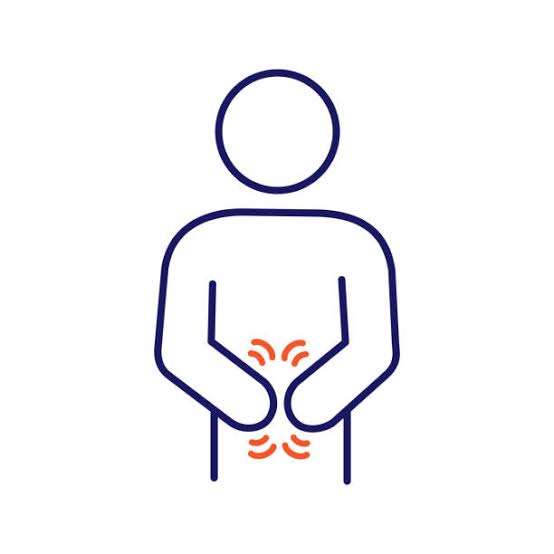
The liver infection caused by hepatitis viruses can range from mild illness to severe liver damage. Awareness about screening helps in early detection thus better prognosis.
ANEMIA EVALUATION AND TREATMENT

Anemia results from insufficient healthy red blood cells to carry adequate oxygen throughout the body. It commonly manifests due to nutritional deficiencies or chronic diseases requiring proper diagnosis and care.
- Causes details: Iron deficiency dietarily related remains most frequent , but vitamin B12 deficiency , chronic inflammation also play roles .
- Identifying anemia: Fatigue , pallor , shortness of breath prompt suspicion ; confirmed via complete blood count (CBC) tests .
- Therapeutic measures: Supplementation such as iron tablets ; treating underlying conditions is essential .
- Monitoring response: Follow-up investigations ensure restoration of hemoglobin levels aiming at symptom resolution .
Timely intervention improves energy levels preventing complications related to prolonged oxygen deficit in tissues.
OSTEOARTHRITIS CARE

This degenerative joint disease predominantly affects adults as cartilage breaks down over time causing pain and stiffness. Early management enhances quality of life effectively.
- Syndromes detected: Joint pain worsens with activity; common sites include knees, hips, hands;
- Evidential tools: Physical examination supported by X-rays reveal joint space narrowing indicating severity;
- Cure plans: Weight reduction where applicable mitigates joint load; physiotherapy improves mobility; analgesics relieve pain;
- Lifestyle adaptations:Addition of low-impact exercises plus assistive devices could support daily functions;
This chronic condition benefits substantially from combined medical treatment alongside patient education about joint protection methods.
ACUTE RESPIRATORY INFECTIONS
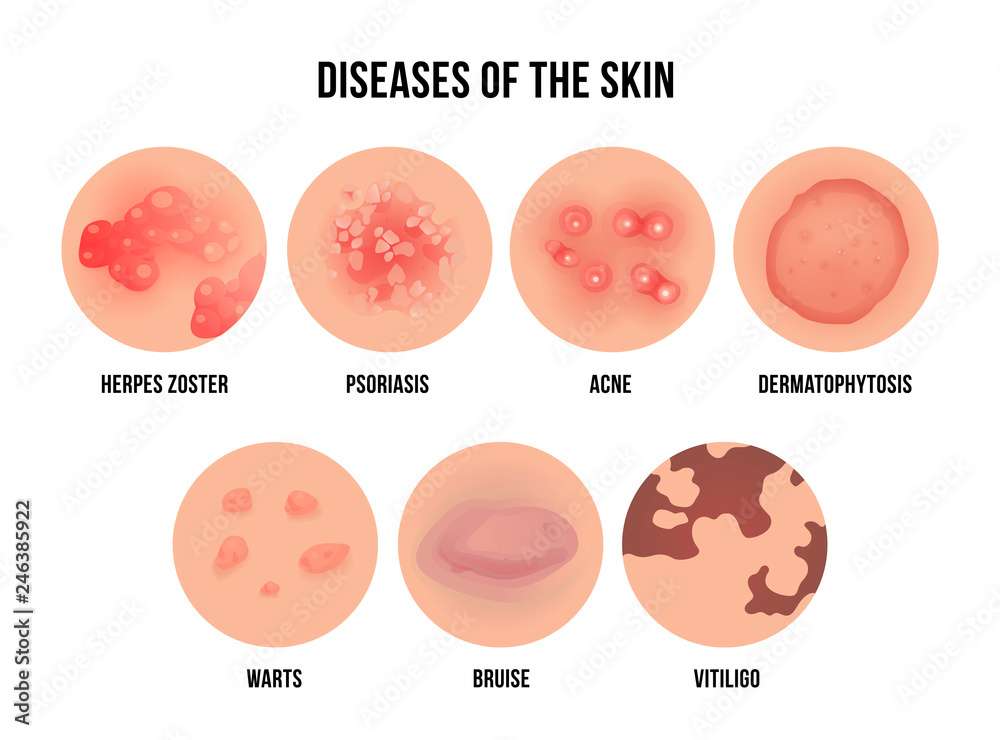
Acute respiratory infections affect the nose, throat, airways, or lungs and are among the most frequent ailments encountered in general practice. They vary from mild colds to more severe illnesses like pneumonia.
- Main causes: Viruses are the predominant cause; bacteria may also be involved particularly in secondary infections.
- Symptoms assessment: Common signs include cough, sore throat, runny nose, fever, and difficulty breathing in severe cases.
- Treatment strategies: Primarily supportive care including rest, hydration; antibiotics reserved for bacterial causes only under doctor's advice.
- Prevention tips: Good hygiene practices like hand washing reduce transmission risks significantly.
Mild respiratory infections usually resolve without complications but prompt attention to worsening indicators is crucial for safe recovery.
TYPE 2 DIABETES MELLITUS

Type 2 diabetes is a metabolic disorder characterized by elevated blood glucose levels due to insulin resistance. Early recognition and management are essential for preventing complications.
- Signs and risk factors: Increased thirst, frequent urination, fatigue, and obesity increase risk of developing this condition.
- Diagnostic tests: Fasting blood sugar and HbA1c tests help confirm diagnosis.
- Treatment options: Incorporate dietary adjustments focusing on low glycemic index foods, regular exercise, oral hypoglycemic agents, and sometimes insulin therapy.
- Lifelong care: Monitoring blood sugar regularly and managing associated conditions like hypertension is important for long-term health.
A comprehensive plan combining lifestyle shifts with medication supports effective control of diabetes and reduces its impacts on other organs.
HYPERTENSION MANAGEMENT
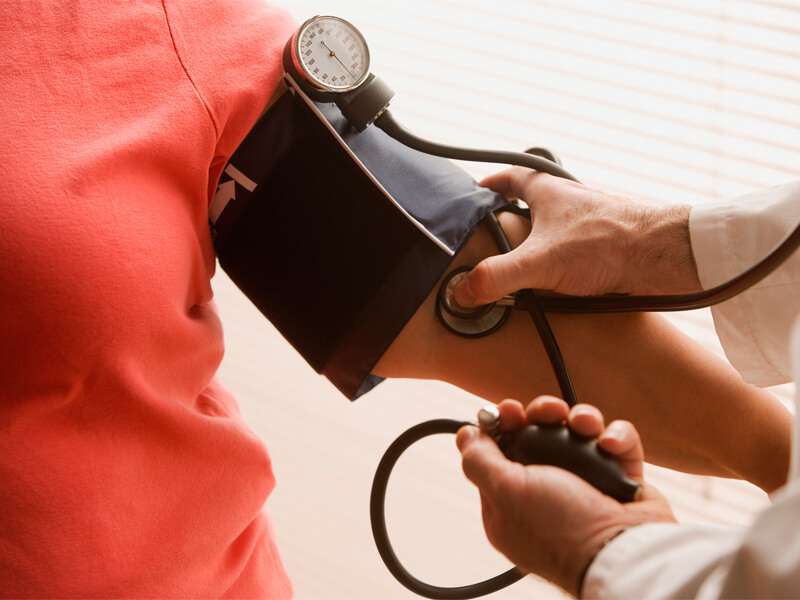
High blood pressure, or hypertension, is a common condition that can lead to serious health issues if untreated. Understanding it helps in maintaining overall heart health.
- Symptoms and causes: Often called the "silent killer," hypertension usually has no symptoms but can be triggered by factors like genetics, diet high in salt, stress, and obesity.
- Diagnosis: Regular blood pressure monitoring through sphygmomanometer readings during doctor visits is key to detection.
- Treatment approach: Lifestyle changes such as reduced salt intake, increased physical activity, and medications like ACE inhibitors or beta-blockers may be recommended.
- Monitoring: Consistent follow-ups ensure blood pressure stays within safe limits to prevent complications such as stroke or kidney damage.
Managing blood pressure with a balanced lifestyle and medical advice greatly reduces risks linked to cardiovascular diseases.