
Dr Sakshi Skin A
About Me
Dr Sakshi Skin A
MD
Dermatologist
10 Years Experience
Biography
My Clinic
OPD Hours
| Monday | Morning | 10:00 AM | - | 02:00 PM |
| Evening | 06:00 PM | - | 09:00 PM | |
| Tuesday | Morning | 10:00 AM | - | 02:00 PM |
| Evening | 06:00 PM | - | 09:00 PM | |
| Wednesday | Morning | 10:00 AM | - | 02:00 PM |
| Evening | 06:00 PM | - | 09:00 PM | |
| Thursday | Morning | 10:00 AM | - | 02:00 PM |
| Evening | 06:00 PM | - | 09:00 PM | |
| Friday | Morning | 10:00 AM | - | 02:00 PM |
| Evening | 06:00 PM | - | 09:00 PM | |
| Saturday | Morning | 10:00 AM | - | 02:00 PM |
| Evening | 06:00 PM | - | 09:00 PM | |
| Sunday | Morning | 10:00 AM | - | 02:00 PM |
| Evening | 06:00 PM | - | 09:00 PM |
Treatments
Specialised care and treatments offered
CONTACT DERMATITIS
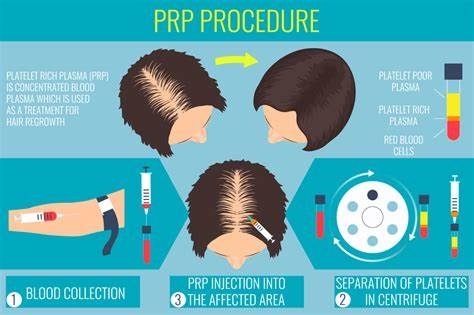
An inflammatory reaction resulting from direct skin contact with irritants or allergens leading to redness, itching, swelling sometimes blister formation at the site of exposure.
- Causes & clinical features: Includes irritant contact dermatitis caused by chemicals/soaps damaging skin barrier vs allergic contact dermatitis involving immune hypersensitivity reactions manifesting as localized rash after repeated exposure.
- Diagnostic process: Patch testing assists in identifying causative allergens especially in suspected allergic contact dermatitis cases.
- Management approaches: Avoidance of identified triggers is crucial along with use of emollients; topical corticosteroids control inflammation during acute episodes.
- Patient expectations: Resolution usually occurs within weeks post trigger elimination but chronic exposure can prolong symptoms requiring long-term care adjustments.
Prompt recognition combined with targeted treatment promotes symptom relief while minimizing risk of future recurrences associated with this common dermatologic complaint.
ALOPECIA AREATA
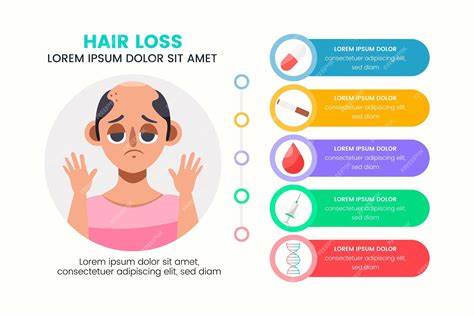
This autoimmune condition causes patchy hair loss resulting from sudden immune attack on hair follicles causing non-scarring bald spots on scalp or body hair areas.
- Disease mechanism & presentation: Typically presents as round or oval smooth bald patches without inflammation or scarring; hair may regrow spontaneously but recurrence is frequent.
- Clinical evaluation methods: Diagnosis involves physical exam supported by dermoscopy; sometimes scalp biopsy confirms follicular status if uncertain diagnosis exists.
- Treatment choices available: Options include corticosteroid injections into patches, topical immunotherapy agents like diphenylcyclopropenone (DPCP), minoxidil application for stimulation of regrowth;
MELASMA
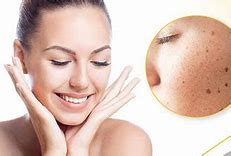
This pigmentary disorder manifests as symmetrical brownish patches primarily on sun-exposed facial areas such as cheeks, upper lip, forehead, and chin.
- Main causes/symptoms: Often triggered by hormonal changes (e.g., pregnancy), sun exposure, or genetic predisposition leading to increased melanin deposition in the epidermis or dermis.
- Diagnosis process: Clinical appearance typically suffices; Wood's lamp examination helps determine depth of pigmentation which influences treatment choice.
- Treatment options: Include topical depigmenting agents (hydroquinone), chemical peels, laser therapy combined with strict photoprotection using broad-spectrum sunscreens.
- Treatment outcomes expected: Gradual fading over weeks/months; persistence requires maintenance therapy as relapse is common without sun avoidance.
A comprehensive strategy combining medical treatment with lifestyle modifications offers the best chance at improving melasma appearance safely over time.
ECZEMA (ATOPIC DERMATITIS)
Eczema is a chronic inflammatory skin condition causing itchy, red patches that can crack and weep. It often affects sensitive areas like inside elbows or behind knees.
- Causes & symptoms: Genetic susceptibility combined with environmental triggers leads to dry skin prone to irritation. Symptoms include intense itching and recurrent flares of redness and swelling.
- How it's diagnosed: Diagnosis relies on clinical history and examination; patch testing may help identify allergens contributing to flares.
- Treatment strategies: Emollients form the foundation of care alongside topical corticosteroids or calcineurin inhibitors during active inflammation. Avoidance of irritants is essential.
- Lifestyle expectations: Chronic course with periodic exacerbations requiring ongoing skincare routines for control.
Eczema management focuses on symptom relief and preventing secondary infections through diligent skin hydration and trigger avoidance measures.
ACNE VULGARIS
Acne vulgaris is a common inflammatory skin disorder affecting the pilosebaceous units resulting in pimples, blackheads, and sometimes cysts or nodules.
- Symptoms/causes: Lesions commonly appear on the face, chest, and back due to excess sebum production, bacterial colonization (Propionibacterium acnes), and clogged pores.
- Diagnostic approach: Clinically diagnosed by evaluating lesion types and distribution; severity assessment guides treatment choice.
- Treatment modalities: Includes topical retinoids, benzoyl peroxide, antibiotics; oral medications such as isotretinoin are reserved for severe cases.
- Prognosis: Early intervention often prevents scarring; maintaining skin hygiene and avoiding triggers enhances outcomes.
The condition typically affects adolescents but can persist into adulthood. Proper management minimizes complications including permanent scars.
PSORIASIS
Psoriasis is a chronic autoimmune condition characterized by rapid skin cell growth leading to thick, scaly patches that often cause discomfort and itching.
- Symptoms and causes: Common signs include red, inflamed plaques covered with silvery scales, primarily on elbows, knees, scalp, and lower back. It occurs due to an immune system malfunction causing accelerated skin regeneration.
- Diagnosis: Diagnosis is mainly clinical via physical examination; occasionally a skin biopsy is done to exclude other conditions.
- Treatment options: Management includes topical corticosteroids, vitamin D analogs, phototherapy (UVB), systemic medications like methotrexate or biologics for moderate to severe cases.
- What to expect: Treatment reduces inflammation and scaling but psoriasis may have flare-ups; regular follow-up helps optimize therapy.
Understanding psoriasis as a manageable long-term condition helps patients adhere to treatment plans and improve quality of life despite its chronic nature.