
Dr Sama Rais
About Me
Dr Sama Rais
Dermatologist
Biography
My Clinic
OPD Hours
| Tuesday | Morning | 10:00 AM | - | 02:00 PM |
| Evening | 06:00 PM | - | 09:00 PM | |
| Wednesday | Morning | 10:00 AM | - | 02:00 PM |
| Evening | 06:00 PM | - | 09:00 PM | |
| Thursday | Morning | 10:00 AM | - | 02:00 PM |
| Evening | 06:00 PM | - | 09:00 PM | |
| Friday | Morning | 10:00 AM | - | 02:00 PM |
| Evening | 06:00 PM | - | 09:00 PM | |
| Saturday | Morning | 10:00 AM | - | 02:00 PM |
| Evening | 06:00 PM | - | 09:00 PM | |
| Sunday | Morning | 10:00 AM | - | 02:00 PM |
| Evening | 06:00 PM | - | 09:00 PM | |
| Thursday | Morning | 10:00 AM | - | 02:00 PM |
| Evening | 06:00 PM | - | 09:00 PM |
Treatments
Specialised care and treatments offered
WART REMOVAL
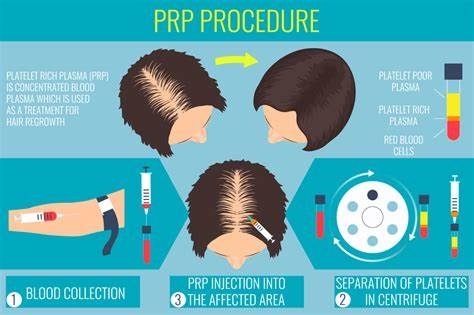
Warts are benign growths caused by human papillomavirus (HPV). These growths may appear anywhere on the body but commonly manifest on hands and feet. They tend to be harmless yet aesthetically troubling for many individuals.
- Diagnosis involves : Clinical evaluation focusing mainly on distinguishing characteristics noted specifically associated markings presented during examination phases.< /l i > Treatments offered : Options such as cryotherapy laser ablation surgical excision provide opportunities yielding permanent resolution where warranted conclusively.< /l i >
SKIN CANCER SCREENING
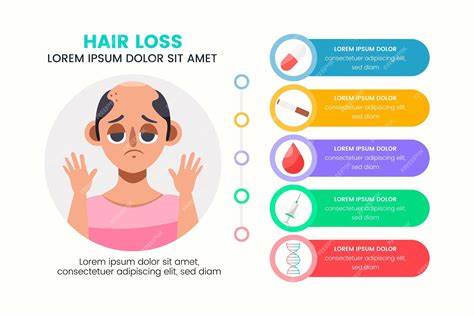
This essential procedure involves examining the skin for abnormal growths that could indicate cancerous changes. Early detection greatly enhances treatment success rates for various types of skin cancer.
- Symptoms: Look out for new moles or changes in existing ones regarding size shape color texture particularly irregular borders or bleeding.
- Causes: Ultraviolet (UV) radiation exposure from sunlight is a leading risk factor contributing significantly toward developing certain forms of skin cancer .
- Diagnosing methods: The evaluation includes visual inspections alongside possible biopsies if necessary based upon observed anomalies noted during assessments .
- Treatment protocols: Depending upon stage confirmed either surgical excision local destruction cryotherapy immunotherapy might be proposed .
A proactive approach ensures peace of mind while safeguarding against potential hazards associated with untreated lesions through regular screenings which foster optimal health outcomes .
ROSACEA
This chronic skin condition primarily affects the facial area and is characterized by redness and visible blood vessels. Rosacea tends to flare up periodically due to various triggers like heat or spicy foods.
- The primary symptoms: Include facial flushing along with persistent redness resembling acne without actual pimples.
- Causes: Factors such as genetics and environmental conditions appear influential but no single cause has been established.
- Diagnosis: Typically relies on clinical visual assessment accompanied by patient history review.
- Treatment approaches: Effective management strategies include topical medications as well as lifestyle adjustments designed around specific triggers.
- What you can expect: Although rosacea is manageable rather than curable; adherence to an outlined care regimen usually brings relief from symptoms over time.
If facial redness concerns you frequently it’s advisable to explore available treatments suited towards your personal needs during a consultation session .
PSORIASIS
This chronic autoimmune disease causes rapid skin cell production leading to thickened patches of red or silvery scales. Psoriasis appears most frequently on elbows and knees but can develop anywhere on the body.
- Symptoms include: Dry patches that may crack or bleed along with itching or burning sensations.
- The exact causes: Are not fully understood but are thought to involve genetics and immune system dysfunctions.
- A diagnosis is made through a physical exam, often reviewing personal history for previous episodes.
- Treatment options range from topical treatments like steroids to systemic medications that target the immune system directly
If you're living with psoriasis, understanding your condition offers hope for effective symptom management through various treatment avenues available today.
ECZEMA
Eczema is a chronic inflammatory skin condition characterized by dry, itchy patches. It commonly manifests during childhood but can affect individuals at any age.
- Symptoms: Redness, swelling, and intense itching are common manifestations.
- Causes: Genetic factors, environmental triggers, and immune system responses contribute to its development.
- Diagnosis: A thorough physical examination alongside a review of personal and family medical history aids in diagnosis.
- Treatments available: Topical corticosteroids, moisturizers, and antihistamines are often used to manage symptoms effectively.
- What to expect: While it's manageable with regular care, flare-ups may still occur depending on individual triggers.
A personalized management plan can greatly enhance comfort levels for those affected by eczema.
ACNE
Acne is a common skin condition that affects many individuals, particularly during adolescence. It results in the formation of pimples, blackheads, and cysts due to clogged pores.
- Symptoms: Includes pustules, redness, and inflammation on the skin.
- Causes: Hormonal changes, excess oil production, and bacterial growth can all trigger this condition.
- Diagnosis: Typically involves a physical examination of the skin; additional tests may be needed in severe cases.
- Treatment options: Over-the-counter topical medications, prescription antibiotics, hormonal treatments, and even laser therapy can be beneficial.
- Expectations: Results may vary; consistent treatment often leads to significant improvement over time.
If you are experiencing persistent acne, a consultation can help determine the best course of action tailored to your skin type.