
Dr Sameer Karkhanis
About Me
Dr Sameer Karkhanis
General Surgeons
Biography
My Clinic
OPD Hours
| Tuesday | Morning | 10:00 AM | - | 02:00 PM |
| Evening | 06:00 PM | - | 09:00 PM | |
| Wednesday | Morning | 10:00 AM | - | 02:00 PM |
| Evening | 06:00 PM | - | 09:00 PM | |
| Thursday | Morning | 10:00 AM | - | 02:00 PM |
| Evening | 06:00 PM | - | 09:00 PM | |
| Friday | Morning | 10:00 AM | - | 02:00 PM |
| Evening | 06:00 PM | - | 09:00 PM | |
| Saturday | Morning | 10:00 AM | - | 02:00 PM |
| Evening | 06:00 PM | - | 09:00 PM | |
| Sunday | Morning | 10:00 AM | - | 02:00 PM |
| Evening | 06:00 PM | - | 09:00 PM | |
| Thursday | Morning | 10:00 AM | - | 02:00 PM |
| Evening | 06:00 PM | - | 09:00 PM |
Treatments
Specialised care and treatments offered
LAPAROTOMY

Laparotomy refers to an open surgical procedure involving making an incision into the abdominal cavity allowing inspection & intervention when minimal access techniques fall short due either complexity severity cases requiring comprehensive evaluation inside organs confined therein before definitive management could commence!
- Common indications entail massive trauma internal injuries suspected peritonitis bowel obstructions where further exploration would yield critical insights guiding subsequent therapeutic approaches targeting root causes involved directly impacting overall morbidity!
- Diagnosis starts through thorough clinical assessments correlating presenting features radiographic evaluations aligning specialties across disciplines facilitating seamless referrals leading toward optimal decision-making pathways collectively benefiting holistic patient engaging outcomes whilst ensuring continuity throughout each step!
- Following exploration leading potentially correcting identified pathological entities per surgeon preferences supportive adjuncts emerge ranging from medication fluids transfusions maintaining physiological balance preventing secondary complications arising alongside post-operative considerations!
- Post-operatively structured protocols incorporating gradual movement eating behaviors initiated accompanied regular follow-ups monitoring overall recovery progress timelines becomes paramount sustaining individualized care frameworks promoting successful long-term viability!
Handling complex intra-abdominal conditions necessitates collaborative efforts aimed fostering clarity transparency ensuring optimal results achieved tailored around individual patient scenarios facilitating better journeys ahead toward wellness fortitude!
ENDOSCOPY

An endoscopy is an essential diagnostic tool used by surgeons to inspect areas within the digestive tract visually. It enables early detection of abnormalities such as ulcers or tumors while providing insight into various gastrointestinal symptoms experienced by patients.
- Persistent sore throat, difficulty swallowing (dysphagia), unexplained weight loss, or recurrent abdominal pain typically prompt consideration for this procedure as part of evaluating these symptoms comprehensively.
- This evaluation starts with careful patient history assessment followed by diagnostic imaging if required; an endoscope equipped with a camera allows real-time visualization during its insertion through natural openings such as the mouth or rectum.
- Sedation is commonly administered during endoscopy for comfort; biopsies can also occur simultaneously if abnormal findings are detected during examination procedures themselves enhancing diagnostic yield efficiently while minimizing repeat interventions later on!
This innovative technique facilitates timely diagnosis leading towards appropriate treatment pathways based upon accurate assessments gathered via direct visualization rather than solely reliance upon subjective reporting from individuals alone!
BOWEL RESECTION
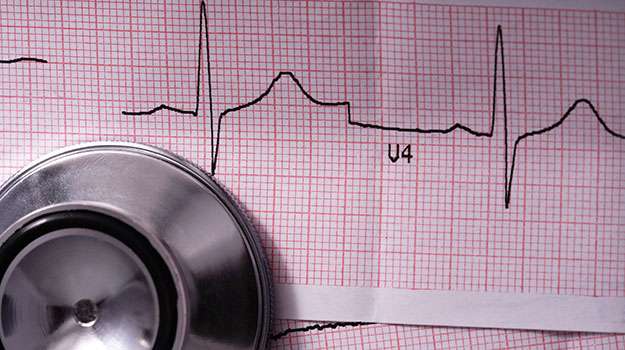
Bowel resection involves surgically removing a portion of the intestine due to conditions such as cancer, Crohn's disease, or bowel obstruction. Understanding this procedure can help patients navigate their options effectively.
- A key indication for bowel resection includes persistent abdominal pain, weight loss without explanation, or changes in bowel habits indicative of underlying pathology.
- A combination of colonoscopy findings and imaging tests often aids in diagnosing conditions requiring resection; biopsies may also be performed at this stage.
- Surgery may involve removing affected sections—most commonly done via laparoscopic methods—followed by reconnection (anastomosis) if viable tissue remains.
- The recovery process varies depending on individual health status but typically involves hospital observation before returning home; dietary modifications will also be necessary post-surgery.
This procedure can significantly enhance patient outcomes by addressing serious intestinal issues. Consulting with a specialist helps ensure informed decisions regarding gastrointestinal health management are made effectively.
APPENDECTOMY
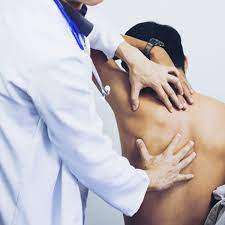
An appendectomy is the surgical removal of the appendix, typically performed when appendicitis is diagnosed. Appendicitis can cause significant pain and requires prompt treatment to avoid complications such as perforation.
- Main symptoms of appendicitis include sharp abdominal pain starting near the belly button that migrates to the lower right side, fever, loss of appetite, and nausea.
- A physician performs a thorough evaluation including physical exams and imaging studies like an ultrasound or CT scan for accurate diagnosis.
- Treatment primarily involves an appendectomy, which can be performed laparoscopically for faster recovery times; antibiotics may also be provided pre- or post-surgery.
- Post-surgical care focuses on managing pain and monitoring for any signs of infection; most patients recover fully within weeks.
An appendectomy is one of the most common urgent surgical procedures performed globally. If you experience symptoms suggestive of appendicitis, seek medical attention promptly for evaluation.
GALLBLADDER REMOVAL (CHOLECYSTECTOMY)
The gallbladder is a small organ that aids in digestion by storing bile produced by the liver. When gallstones form or inflammation occurs, a cholecystectomy may be recommended to alleviate pain and prevent further complications.
- Common symptoms include severe abdominal pain, bloating, nausea, and indigestion following fatty meals.
- A healthcare provider typically diagnoses gallbladder issues through blood tests, ultrasounds, or CT scans to confirm stones or inflammation.
- Treatment often involves surgical removal of the gallbladder using minimally invasive techniques for quicker recovery and less postoperative discomfort.
- Patients can usually return to normal activities soon after surgery but should follow dietary guidelines during recovery.
The removal of the gallbladder is generally safe and effective in managing symptoms and improving quality of life. Consult with your healthcare provider for detailed information tailored to your condition.
HERNIA REPAIR
A hernia occurs when an organ or tissue protrudes through a weak spot in the abdominal muscles. This condition can manifest in various forms, with inguinal and umbilical hernias being the most common. Early identification and treatment are crucial to prevent complications.
- Symptoms often include a noticeable bulge, pain or discomfort in the affected area, especially when bending over or lifting.
- Diagnosis typically involves a physical examination, and imaging tests like ultrasound or CT scans may be necessary for confirmation.
- Treatment usually involves surgical procedures, such as laparoscopic or open surgery, to reposition the tissue and repair the muscle wall.
- Post-operative recovery generally allows patients to resume normal activities within weeks but requires adherence to specific care instructions.
Prompt attention to a hernia can lead to effective management and minimize potential complications. Always consult a medical professional for personalized advice.