
Dr Sameer Sawant
About Me
Dr Sameer Sawant
General Physician
Biography
My Clinic
OPD Hours
| Tuesday | Morning | 10:00 AM | - | 02:00 PM |
| Evening | 06:00 PM | - | 09:00 PM | |
| Wednesday | Morning | 10:00 AM | - | 02:00 PM |
| Evening | 06:00 PM | - | 09:00 PM | |
| Thursday | Morning | 10:00 AM | - | 02:00 PM |
| Evening | 06:00 PM | - | 09:00 PM | |
| Friday | Morning | 10:00 AM | - | 02:00 PM |
| Evening | 06:00 PM | - | 09:00 PM | |
| Saturday | Morning | 10:00 AM | - | 02:00 PM |
| Evening | 06:00 PM | - | 09:00 PM | |
| Sunday | Morning | 10:00 AM | - | 02:00 PM |
| Evening | 06:00 PM | - | 09:00 PM | |
| Thursday | Morning | 10:00 AM | - | 02:00 PM |
| Evening | 06:00 PM | - | 09:00 PM |
Treatments
Specialised care and treatments offered
RESPIRATORY INFECTIONS
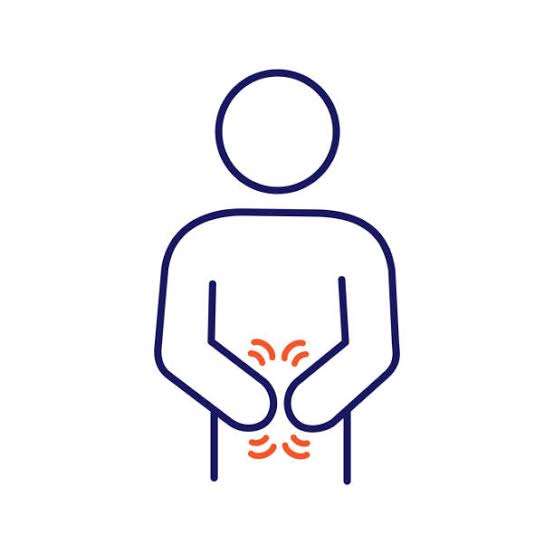
Respiratory infections affect the airways which can lead to coughing, congestion, or even serious illnesses if not properly managed. Understanding their nature assists in prompt recovery efforts.s
GASTROESOPHAGEAL REFLUX DISEASE (GERD)

GERD is a digestive disorder where stomach acid frequently flows back into the esophagus causing discomfort. Awareness of GERD's signs can facilitate timely intervention before complications arise
- Common symptoms include heartburn, regurgitation of food or sour liquid, trouble swallowing, and chest pain
- Diagnosis typically involves reviewing patient history along with potential endoscopic evaluations or ambulatory pH testing for acid exposure measurement
- Lifestyle modifications like avoiding spicy foods or large meals close to bedtime play an essential role in relief
- Over-the-counter antacids provide temporary relief while prescription medications help decrease acid production when necessary
- Ongoing assessment by healthcare providers ensures optimal management tailored according individual progression over time
Taking charge of one's dietary habits significantly contributes towards minimizing GERD impact on daily life activities
ALLERGY MANAGEMENT
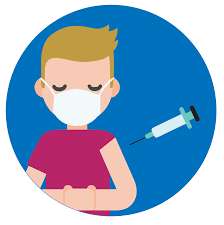
Allergies occur when the immune system reacts excessively to normally harmless substances. Identifying triggers is crucial for effective management and prevention of allergy symptoms.
- Common symptoms range from sneezing and itchy eyes to more severe reactions like difficulty breathing in extreme cases.
- The diagnosis is often established through patient history reviews coupled with skin or blood tests identifying specific allergens.
- Avoiding known triggers is key; antihistamines can alleviate mild symptoms while corticosteroids may be required for more aggressive reactions.
- Immunotherapy might also be an option for long-term relief based on individual assessments by medical professionals.
- Regular consultation helps tailor management strategies according to changing allergic responses over time.
Understanding allergies empowers individuals towards achieving better symptom control through thoughtful avoidance strategies.
HYPERLIPIDEMIA
Hyperlipidemia refers to elevated levels of lipids (cholesterol and triglycerides) in the bloodstream. It is a significant risk factor for cardiovascular diseases if not addressed promptly.
- This condition often presents with no obvious symptoms until it contributes to more severe cardiovascular issues.
- Diagnosis is made through lipid panels that measure cholesterol types and triglyceride levels during routine health screenings.
- Lifestyle interventions play an essential role in management; these include adopting a heart-healthy diet rich in fruits, vegetables, and omega-3 fatty acids while engaging in regular aerobic exercise.
- If lifestyle changes are insufficient, medications like statins might be recommended by healthcare professionals to help control lipid levels effectively.
- Regular check-ups are important for monitoring lipid profiles and adjusting treatment plans accordingly.
A proactive approach towards managing hyperlipidemia can lead to improved heart health over time.
DIABETES MANAGEMENT

Diabetes is a chronic condition that affects how your body processes glucose, leading to high sugar levels in the blood. Early detection and effective management are vital for preventing complications.
- The common symptoms of diabetes include increased thirst, frequent urination, fatigue, and blurred vision.
- A diagnosis typically involves fasting blood tests to measure glucose levels and evaluate other health indicators.
- Treatment focuses on lifestyle adjustments like maintaining a healthy diet rich in fibers and whole grains alongside regular physical exercise.
- Monitoring blood sugar levels regularly helps in managing the condition effectively and avoiding emergencies.
- In some cases, medication or insulin therapy may be necessary to control glucose levels adequately.
Your commitment to self-care can greatly enhance your quality of life while living with diabetes.
HYPERTENSION
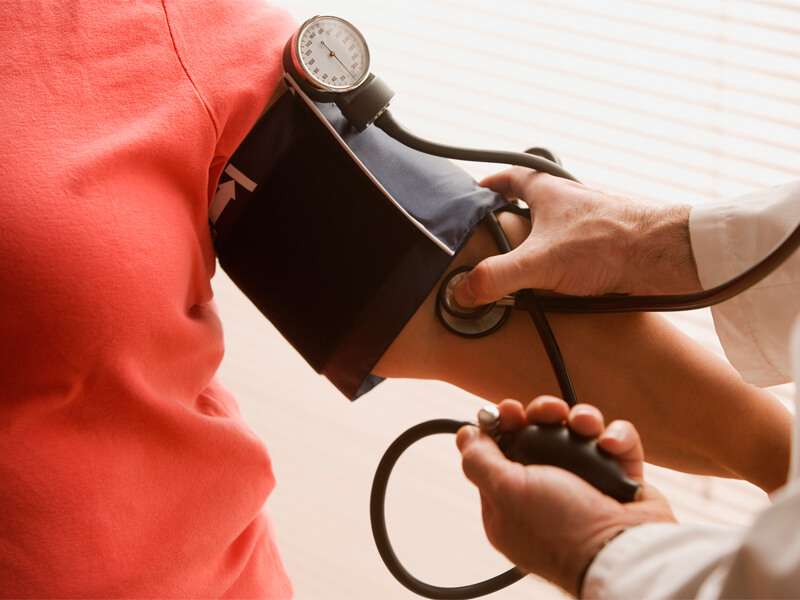
Hypertension, often known as high blood pressure, is a common condition that can lead to serious health complications if left unmanaged. Recognizing and addressing hypertension is crucial for maintaining overall health.
- Symptoms of hypertension are often subtle but may include headaches, dizziness, and shortness of breath.
- It is usually diagnosed through regular blood pressure monitoring during routine check-ups.
- Management options include lifestyle changes such as a balanced diet low in sodium, regular physical activity, and stress reduction techniques.
- Medications may also be prescribed if lifestyle modifications alone are insufficient.
- Regular follow-ups are essential to monitor blood pressure levels and assess treatment efficacy.
Understanding your blood pressure readings and making informed lifestyle choices can significantly reduce health risks associated with hypertension.