
Dr Sameer Sharma
About Me
Dr Sameer Sharma
BDS
Dentist
10 Years Experience
Biography
My Clinic
OPD Hours
| Monday | Morning | 10:00 AM | - | 02:00 PM |
| Evening | 06:00 PM | - | 09:00 PM | |
| Tuesday | Morning | 10:00 AM | - | 02:00 PM |
| Evening | 06:00 PM | - | 09:00 PM | |
| Wednesday | Morning | 10:00 AM | - | 02:00 PM |
| Evening | 06:00 PM | - | 09:00 PM | |
| Thursday | Morning | 10:00 AM | - | 02:00 PM |
| Evening | 06:00 PM | - | 09:00 PM | |
| Friday | Morning | 10:00 AM | - | 02:00 PM |
| Evening | 06:00 PM | - | 09:00 PM | |
| Saturday | Morning | 10:00 AM | - | 02:00 PM |
| Evening | 06:00 PM | - | 09:00 PM | |
| Sunday | Morning | 10:00 AM | - | 02:00 PM |
| Evening | 06:00 PM | - | 09:00 PM |
Treatments
Specialised care and treatments offered
TREATMENT FOR ACUTE GUM INFECTION (PERIODONTAL ABSCESS)
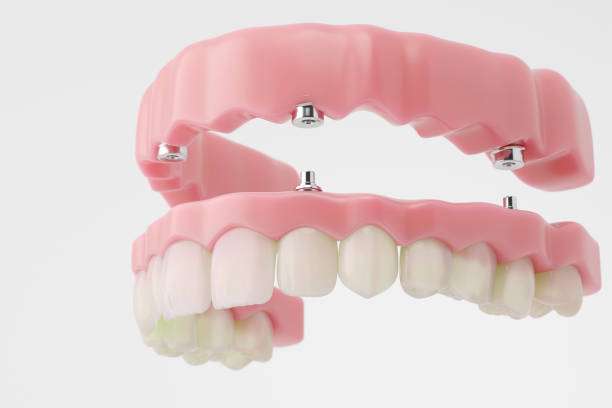
An acute periodontal abscess is a painful collection of pus in gum tissues adjacent to a tooth resulting from bacterial invasion into periodontal pockets. This condition requires urgent care due to risk of rapid progression affecting surrounding structures.
- Symptoms include localized gum swelling , tenderness , throbbing pain , bad breath , possible fever .
- Diagnosis is made clinically observing inflamed swollen area alongside probing periodontal depths , occasionally supported by radiographs .
- Treatment objectives include draining pus effectively , thorough cleaning around affected site (scaling) , systemic antibiotics if spreading infection suspected .
- Patient instructions encompass maintaining meticulous oral hygiene , warm saline rinses , avoiding irritants like tobacco until healed .
Timely intervention cures most periodontal abscesses swiftly preventing chronic periodontal damage ensuring overall gum health stability .
MANAGEMENT OF TRAUMATIC DENTAL INJURIES
Dental trauma covers injuries like tooth displacement, fractures, or avulsion caused by sudden impact. Prompt management can save affected teeth and maintain oral function efficiently.
- Spectrum of injuries: Includes chipped or broken teeth, loosened teeth (subluxation), displaced teeth (luxation), and completely knocked-out teeth (avulsion).
- Evaluation: Dentists assess extent through clinical exam plus X-rays for root or bone involvement after trauma occurs.
- Treatment methods: Ranging from smoothing sharp edges to repositioning/ splinting displaced teeth; avulsed permanent teeth may be replanted within specific time frames whenever possible.
- Counseling & follow-up: Includes advice on oral hygiene post-trauma and scheduled reviews to monitor healing progress over months due to risk of complications like root resorption or necrosis.
If managed early and properly following an injury event, many traumatic dental conditions have favorable outcomes preserving natural dentition functionality long-term.
EMERGENCY TOOTH EXTRACTION
Certain situations necessitate urgent removal of a tooth when it threatens oral health or causes severe pain unmanageable by other treatments. Emergency extraction is intended as a last resort for severe dental problems.
- Indications: Extensive decay beyond repair, fractured teeth causing infection risk, impacted wisdom teeth associated with swelling or pain.
- Efficacy assessment: Dentist evaluates clinical signs along with radiographic images before proceeding with extraction plans.
- The procedure: Performed under local anesthesia ensuring minimal discomfort during removal; post-op instructions focus on healing support and infection prevention.
- Post-extraction care: Includes pain management, avoiding smoking/strenuous activity, using ice packs for swelling control, soft diet recommendations.
This emergency treatment aims at immediate relief from symptoms while allowing proper healing without complications afterward.
ACUTE PULPITIS MANAGEMENT
Acute pulpitis is inflammation of the dental pulp often causing intense tooth pain. It usually arises from untreated cavities that allow bacteria to infect the pulp tissue inside the tooth.
- Symptoms: Sharp spontaneous pain, sensitivity to temperature changes, throbbing discomfort interfering with sleep.
- Diagnosis: Clinical exam along with vitality testing helps determine pulp inflammation severity.
- Treatment: Depends on reversibility; reversible cases involve removing decay and restoring the tooth whereas irreversible cases require root canal treatment or extraction if severe.
- Pain control: Analgesics and sometimes antibiotics are prescribed during acute episodes for symptom relief.
Tackling acute pulpitis quickly reduces discomfort and prevents progression to more serious infections such as abscess formation.
TOOTH FRACTURE REPAIR
Fractured teeth can occur due to injury or biting on hard substances. Repairing these fractures restores both function and aesthetics of the damaged tooth.
- Causes: Trauma, accidents, sports injuries, or chewing hard foods may cause cracks or breaks in teeth.
- Diagnosis: The extent of fracture is identified through visual examination and sometimes dental imaging.
- Treatment approaches: Minor chips may be repaired with bonding materials; larger fractures might require crowns or root canal therapy if pulp damage exists.
- Aftercare: Avoid chewing on hard objects and maintain excellent oral hygiene to prevent further issues.
Addressing a tooth fracture early prevents pain and possible infection while restoring the natural look of your smile effectively.
DENTAL ABSCESS
A dental abscess is a localized collection of pus caused by a bacterial infection in the tooth or gums. It frequently results from untreated cavities, gum disease, or trauma to the teeth.
- Symptoms: Severe toothache, swelling, sensitivity to hot and cold, fever, and bad taste in the mouth due to pus drainage.
- Diagnosis: Clinical examination combined with dental X-rays helps identify the abscess location and extent.
- Treatment options: Typically involves drainage of the abscess, root canal therapy or tooth extraction if necessary, coupled with antibiotics to control infection.
- Management: Pain relief measures and maintaining oral hygiene are crucial during recovery.
Prompt treatment of a dental abscess is important to prevent spread of infection and preserve oral health. Early intervention usually leads to complete resolution without complications.