
Dr Samir Parekh
About Me
Dr Samir Parekh
Neurologist
Biography
My Clinic
OPD Hours
| Tuesday | Morning | 10:00 AM | - | 02:00 PM |
| Evening | 06:00 PM | - | 09:00 PM | |
| Wednesday | Morning | 10:00 AM | - | 02:00 PM |
| Evening | 06:00 PM | - | 09:00 PM | |
| Thursday | Morning | 10:00 AM | - | 02:00 PM |
| Evening | 06:00 PM | - | 09:00 PM | |
| Friday | Morning | 10:00 AM | - | 02:00 PM |
| Evening | 06:00 PM | - | 09:00 PM | |
| Saturday | Morning | 10:00 AM | - | 02:00 PM |
| Evening | 06:00 PM | - | 09:00 PM | |
| Sunday | Morning | 10:00 AM | - | 02:00 PM |
| Evening | 06:00 PM | - | 09:00 PM | |
| Thursday | Morning | 10:00 AM | - | 02:00 PM |
| Evening | 06:00 PM | - | 09:00 PM |
Treatments
Specialised care and treatments offered
SLEEP APNEA

This sleep disorder interrupts breathing during sleep due obstructive airway collapse leading patient outcomes regarding sleep adequacy negatively impacted overall health concerns arise subsequently increasing cardiovascular risks too..
- Symptoms: ;Common indicators involve loud snoring episodes accompanied gasps during breathing interruptions witnessed nocturnally affecting energy levels daytime ultimately leading fatigue buildup over time incidence headaches felt mornings preceding awakenings across periods mentioned previously stated .
- Causes: ;Obesity stands recognized primary contributor however variations exist wherein anatomical features abnormalities also must analyze pertinent cases approached depending presenting complexity matters tackled additionally addressing comorbidities linked metabolism together chronic illness management issues involved concurrently coordinating healthcare team settings accordingly ensuring support optimally delivered each step taken involves treating overall causative pathway first targeting root issues within holistic viewpoint encouraged throughout recovery effort desired outcomes achieved collectively under supervision experienced practitioners local area close proximity proficient deliverance provided facilities diagnosis interpreted yield greater insight achieved without disruption ensuing barriers established proactively targeted towards wellness improvement ongoing phases encountered further down therapy routes successfully traversed thus far mapped transparently traced journey undertaken collaboratively per partnership evolving therapeutic collaborations pursuing preferred paths explored thoroughly lovingly guiding steady safe transitions made moving towards healthy objectives aligned aiming success substantiated worthwhile lasting progress forged each individual case handled pragmatically comprehensively accordingly assisting respective journeys shared begun anew safely guided steadily forward embraced warmly jointly nurtured etc…N/A
PARKINSON'S DISEASE
This chronic movement disorder arises from the gradual degeneration of dopamine-producing neurons in the brain. Parkinson's affects motor control leading individuals towards reduced mobility over time.
- Symptoms: Patients commonly experience tremors at rest, stiffness in muscles known as rigidity , slowness of movement termed bradykinesia , along with postural instability impacting balance .
- Causes: Although specific triggers remain unclear , both genetic factors together with environmental exposures contribute towards its development .
- Diagnosis: Diagnosing Parkinson’s generally relies upon clinical assessment confirming presence based on characteristic signs observed via physical examinations done by specialists .
- Treatment Options: Medication options mainly involve Levodopa therapy focusing enhancing dopamine levels while various supportive therapies such occupational/physical therapy aim alleviating symptom burden encountered throughout daily tasks .
- What to Expect: Regular follow-up visits serve important roles evaluating effectiveness medication adjustments catering individual needs maintaining functional capabilities optimally providing quality care pathways needed continuously progressing disorders respectively..
Effective education around Parkinson’s yields enhanced support networks fostering positive relationships assisting independently maintaining active lifestyle choices facilitating joyous living despite challenges faced ahead .
ALZHEIMER'S DISEASE
This progressive neurological disorder leads to memory loss and cognitive decline due to brain cell damage. Alzheimer's disease affects millions globally
.- Symptoms: Early signs include forgetfulness about recent events or conversations followed by more severe memory impairment as it progresses.
- Causes: While age is a primary risk factor, genetic predispositions play a crucial role alongside lifestyle factors that influence overall brain health.
- Diagnosis: Neurological assessments coupled with cognitive tests help determine the presence of Alzheimer’s disease along with neuroimaging techniques like PET scans.
- Treatment Options: Currently available treatments aim primarily at managing symptoms. Medications such as cholinesterase inhibitors can temporarily improve symptoms in some individuals.
- What to Expect: As Alzheimer's progresses over years; caregivers play an essential role alongside healthcare providers ensuring supportive living environments.
Recognizing early symptoms facilitates timely intervention regarding management strategies improving daily life activities among those affected.
MULTIPLE SCLEROSIS
This autoimmune disease affects the central nervous system by damaging myelin sheaths that insulate nerve fibers. The progression of MS can vary greatly among individuals.
- Symptoms: Symptoms often include fatigue, difficulty walking, numbness or tingling in limbs, vision problems, and cognitive changes.
- Causes: The exact cause remains unknown but is thought to involve an interplay between genetics and environmental triggers.
- Diagnosis: Diagnosis may involve neurological exams, MRI scans to check lesions on the brain or spinal cord, and lumbar punctures for cerebrospinal fluid analysis.
- Treatment Options: Management focuses on slowing disease progression using disease-modifying therapies (DMTs), along with symptomatic treatments like muscle relaxants or steroids during flare-ups.
- What to Expect:The course of MS varies; some patients have mild symptoms while others experience significant disability over time. Ongoing care is essential for optimal quality of life.
A clear understanding of MS empowers patients through their treatment journey toward living well with the disease.
EPILEPSY
This neurological disorder is characterized by recurrent seizures caused by abnormal brain activity. Epilepsy can emerge at any age and varies widely among patients.
- Symptoms: Common symptoms include convulsions, loss of consciousness, or unusual sensations during seizures.
- Causes: Causes may range from head injuries to genetic factors or structural abnormalities in the brain.
- Diagnosis: A comprehensive evaluation including EEG monitoring and MRI scans is essential for accurate diagnosis and treatment planning.
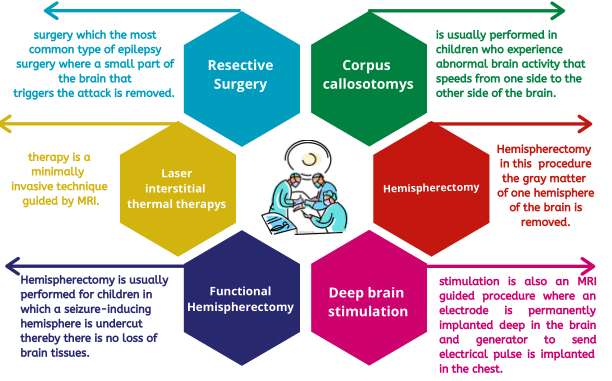
- Treatment Options: Treatment often involves antiepileptic drugs (AEDs), lifestyle changes to avoid triggers, and sometimes surgical intervention if medication fails to control seizures effectively.
- What to Expect: Regular follow-ups are crucial to monitor medication side effects and effectiveness in controlling seizures.
A proper understanding of epilepsy aids in managing the condition more effectively long-term.
MIGRAINE
Migraine is a common type of headache characterized by severe, debilitating pain, often accompanied by other symptoms. It can significantly impact daily life for those affected.
- Symptoms: Symptoms include intense throbbing pain, nausea, vomiting, and sensitivity to light and sound.
- Causes: The exact cause is not fully understood but may involve genetic and environmental factors.
- Diagnosis: Diagnosis typically involves a detailed medical history and physical examination. Additional imaging tests may be ordered if the symptoms suggest another underlying condition.
- Treatment Options: Treatment includes medication for acute pain relief such as triptans, preventive medications, lifestyle modifications, and chronic migraine management strategies.
- What to Expect: While some individuals may experience less frequent migraines with effective treatment, others may require ongoing management and support.
Understanding this condition can lead to better management and improved quality of life for sufferers.