
Dr Sana Bhamla Khan
About Me
Dr Sana Bhamla Khan
Dermatologist
Biography
My Clinic
OPD Hours
| Tuesday | Morning | 10:00 AM | - | 02:00 PM |
| Evening | 06:00 PM | - | 09:00 PM | |
| Wednesday | Morning | 10:00 AM | - | 02:00 PM |
| Evening | 06:00 PM | - | 09:00 PM | |
| Thursday | Morning | 10:00 AM | - | 02:00 PM |
| Evening | 06:00 PM | - | 09:00 PM | |
| Friday | Morning | 10:00 AM | - | 02:00 PM |
| Evening | 06:00 PM | - | 09:00 PM | |
| Saturday | Morning | 10:00 AM | - | 02:00 PM |
| Evening | 06:00 PM | - | 09:00 PM | |
| Sunday | Morning | 10:00 AM | - | 02:00 PM |
| Evening | 06:00 PM | - | 09:00 PM | |
| Thursday | Morning | 10:00 AM | - | 02:00 PM |
| Evening | 06:00 PM | - | 09:00 PM |
Treatments
Specialised care and treatments offered
WART REMOVAL
Warts are benign epithelial tumors caused by human papillomavirus (HPV) infection. They appear as elevated bumps on various parts of the body including hands and feet.
- The symptoms involve typically small rough textured lumps that might be painful if located under pressure points like soles.
- Diagnosis usually incorporates visual inspection; sometimes additional tests confirm specific HPV strain types if necessary.
- Removal methods vary from cryotherapy freezing techniques to laser therapy dependent upon wart characteristics such as size & location.
- Recurrence remains possible after removal given opportunistic viral nature so preventive measures are recommended post-treatment such as avoiding contact.
Staying vigilant about skin changes aids in ensuring timely intervention whenever warts reappear after initial treatments done successfully here.
ROSACEA
Rosacea is a chronic inflammatory condition predominantly affecting facial skin characterized by flushing and persistent redness. Patients often experience visible blood vessels along with bumps resembling acne.
- The main symptoms, which can vary widely among individuals, include facial redness primarily on the cheeks and nose.
- A thorough clinical assessment typically provides sufficient basis for diagnosing rosacea without invasive tests being necessary.
- Treatment may comprise lifestyle modifications alongside topical agents like metronidazole or oral antibiotics for more severe manifestations.
- Caring for your skin gently—avoiding harsh products—is vital to minimize irritations that can trigger flare-ups.
Early recognition coupled with appropriate management enhances overall comfort levels among those living with rosacea.
SKIN CANCER SCREENING
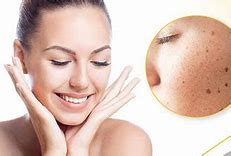
An important aspect of dermatology involves early detection of skin cancer through regular screenings. This proactive measure can catch changes in moles or unusual growths before they progress.
- Common signs prompting screening include changing size, shape or color of existing moles and the appearance of new growths.
- The diagnosis process frequently entails a thorough visual examination followed by biopsies if necessary for suspicious lesions.
- Treatment depends on the type and stage of cancer discovered; options range from surgical excision to topical chemotherapy for non-invasive types.
- Regular self-exams combined with annual dermatological evaluations are essential preventive practices against advanced disease progression.
An informed approach towards skin health empowers patients in making timely decisions regarding further diagnostics or interventions when needed.
ACNE
Acne vulgaris is one of the most prevalent skin disorders affecting adolescents and adults alike. It occurs when hair follicles become clogged with oil and dead skin cells, leading to pimples or cysts.
- The symptoms include whiteheads, blackheads, papules, pustules, or even deep nodules depending on acne severity.
- A dermatologist typically diagnoses acne through physical examination rather than extensive laboratory testing.
- Treatment strategies may incorporate over-the-counter products, prescription medications including antibiotics or retinoids depending on the case's severity.
- Cleansing habits and dietary considerations may also play a role in managing breakouts effectively.
Persistent cases may require combination therapies tailored specifically for individual skin types to achieve optimal results.
ECZEMA
Eczema, or atopic dermatitis, is a common inflammatory skin condition characterized by dry, itchy patches. It often begins in childhood but can persist or recur in adulthood.
- The primary causes involve genetic predisposition and environmental triggers such as allergens or irritants.
- A healthcare provider can diagnose eczema through clinical evaluation of the skin's appearance and patient history.
- Treatment includes moisturizing regimens, topical corticosteroids, and immunomodulators to control inflammation.
- Managing stress and avoiding known triggers can greatly improve quality of life for those affected.
Eczema management is highly individualized; ongoing communication with a healthcare professional is beneficial for long-term care.
PSORIASIS
Psoriasis is a chronic autoimmune condition that manifests as red, scaly patches on the skin. This condition develops due to an overactive immune response, which accelerates skin cell production.
- Symptoms include raised, inflamed plaques covered with silvery-white scales, itching, and discomfort.
- Diagnosis typically involves a physical examination and sometimes a biopsy to rule out other conditions.
- Treatment options range from topical therapies and phototherapy to systemic medications based on severity.
- Patients can expect variations in symptoms; some may experience flare-ups while others have periods of remission.
Understanding psoriasis is crucial for effective management. Many patients benefit from both medical treatment and lifestyle adjustments.