
Dr Sandeep Arora-
About Me
Dr Sandeep Arora-
MD
Internal Medicine
10 Years Experience
Biography
My Clinic
OPD Hours
| Monday | Morning | 10:00 AM | - | 02:00 PM |
| Evening | 06:00 PM | - | 09:00 PM | |
| Tuesday | Morning | 10:00 AM | - | 02:00 PM |
| Evening | 06:00 PM | - | 09:00 PM | |
| Wednesday | Morning | 10:00 AM | - | 02:00 PM |
| Evening | 06:00 PM | - | 09:00 PM | |
| Thursday | Morning | 10:00 AM | - | 02:00 PM |
| Evening | 06:00 PM | - | 09:00 PM | |
| Friday | Morning | 10:00 AM | - | 02:00 PM |
| Evening | 06:00 PM | - | 09:00 PM | |
| Saturday | Morning | 10:00 AM | - | 02:00 PM |
| Evening | 06:00 PM | - | 09:00 PM | |
| Sunday | Morning | 10:00 AM | - | 02:00 PM |
| Evening | 06:00 PM | - | 09:00 PM |
Treatments
Specialised care and treatments offered
THYROID FUNCTION TESTS & DISORDERS EVALUATION
The thyroid gland regulates metabolism via hormone secretion. Disorders such as hypothyroidism or hyperthyroidism require laboratory assessment for diagnosis and treatment guidance.
LIPID PROFILE TESTING & DYSLIPIDEMIA MANAGEMENT
Dyslipidemia refers to abnormal levels of lipids in the bloodstream which can accelerate cardiovascular risks like heart attacks or strokes. Lipid profiling aids early detection and prevention strategies.
- Causative factors include: poor diet high in saturated fats/cholesterol, genetic predisposition including familial hypercholesterolemia;
- Lipid panel tests: measure total cholesterol, LDL (bad cholesterol), HDL (good cholesterol), triglycerides providing a detailed lipid status overview;
- Management : Lifestyle interventions such as dietary modifications focusing on reducing trans fats intake coupled with pharmacologic agents like statins based on individual risk profile;
- Expected outcomes : Regular monitoring allows adjustment ensuring lipid levels are within goal range thus lowering vascular event risk;
Controlling lipid abnormalities forms an essential pillar in preventing cardiovascular diseases through timely evaluation combined with personalized care plans .
ANEMIA DIAGNOSTIC WORKUP
Anemia involves a deficiency in red blood cells or hemoglobin resulting in reduced oxygen delivery to tissues. Establishing the underlying cause is essential before treatment.
- Pertinent signs and possible causes: Fatigue, pallor, shortness of breath; common etiologies include iron deficiency, vitamin B12 deficiency, chronic disease states or blood loss.
- Investigations involved: Complete blood count (CBC), peripheral smear examination, serum iron studies and vitamin level assessments guide diagnosis comprehensively.
- Treatment plans depend on etiology: Iron supplements for deficiency anemia; B12 injections if pernicious anemia diagnosed; managing chronic illness-induced anemia accordingly.
An individualized diagnostic process allows precise identification of type thus enabling targeted therapy which can significantly improve patient wellbeing when followed properly.
CHRONIC OBSTRUCTIVE PULMONARY DISEASE (COPD) ASSESSMENT
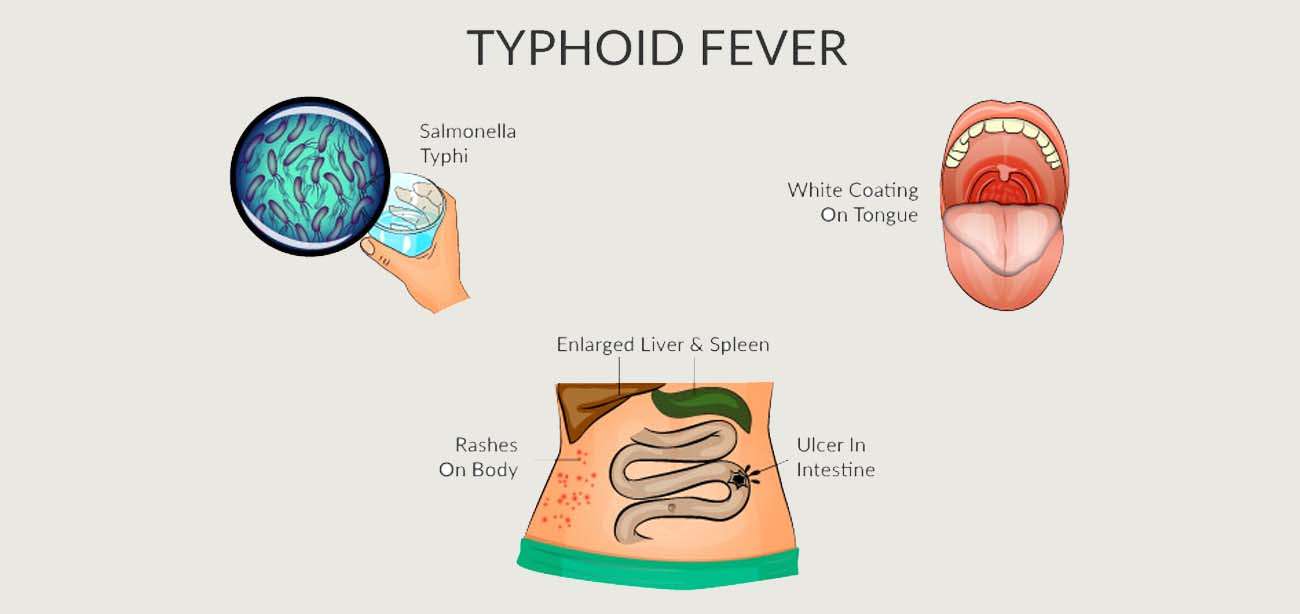
COPD is a progressive lung disease that obstructs airflow leading to breathing difficulties. It commonly affects smokers or those exposed to pulmonary irritants over time.
- Main causes and warning signs: Long-term smoking exposure; symptoms include chronic cough, sputum production, shortness of breath especially during exertion.
- Diagnostic criteria: Spirometry tests measure lung function; chest X-rays assist in differential diagnosis while ruling out other conditions.
- Treatment modalities: Smoking cessation support is critical; bronchodilators, corticosteroids inhalers help alleviate symptoms plus pulmonary rehabilitation programs improve quality of life.
- Lifestyle impact: Avoidance of pollutants and vaccinations against respiratory infections are important preventive strategies for patients.
Efficacious management aims to slow disease progression while enhancing functional capacity through a multidisciplinary approach involving medication and lifestyle changes.
TYPE 2 DIABETES MELLITUS EVALUATION
Type 2 Diabetes is a metabolic disorder characterized by high blood sugar levels due to insulin resistance. Early detection and consistent monitoring are crucial for optimal outcomes.
- Symptoms and causes: May include increased thirst, frequent urination, fatigue; risk factors comprise obesity, sedentary lifestyle, family history.
- Diagnostic methods: Fasting plasma glucose test, HbA1c measurement, and oral glucose tolerance test are commonly used for accurate diagnosis.
- Treatment approaches: Emphasize dietary changes, physical activity enhancements along with oral hypoglycemic agents or insulin when indicated.
- Expectations: Lifelong management with regular screening for complications such as neuropathy or retinopathy is necessary to maintain health.
A comprehensive approach combining lifestyle modification and medication helps keep blood sugar levels within target ranges and prevents long-term damage.
HYPERTENSION MANAGEMENT
High blood pressure, or hypertension, is a common chronic condition that requires ongoing management to prevent serious complications. It often has no obvious symptoms but can lead to significant health issues if untreated.
- Causes and symptoms: Often linked to genetics, lifestyle factors such as diet and stress; symptoms are usually absent but may include headaches or dizziness in severe cases.
- Diagnosis: Confirmed through repeated blood pressure measurements using manual or automated devices over different visits.
- Treatment options: Lifestyle modifications like reduced salt intake, regular exercise, weight management alongside antihypertensive medications tailored to the individual's needs.
- Monitoring: Regular follow-ups with blood pressure checks, adherence assessment, and adjustments in therapy help ensure effective control.
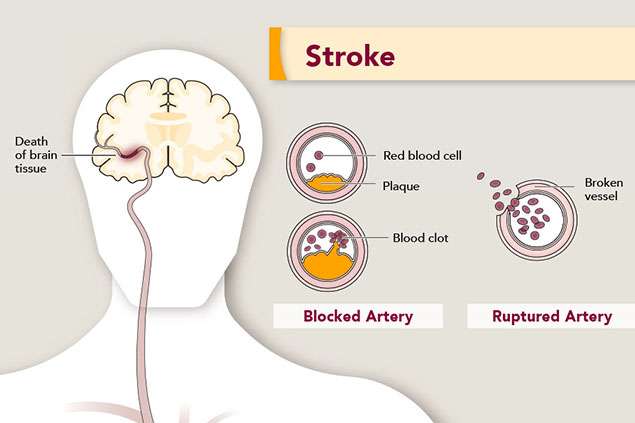
Managing hypertension effectively reduces risks of heart disease and stroke, offering patients a better quality of life through vigilant care and treatment adherence.