
Dr Sandeep Biswal
About Me
Dr Sandeep Biswal
MBBS
General Physician
10 Years Experience
Biography
My Clinic
OPD Hours
| Monday | Morning | 10:00 AM | - | 02:00 PM |
| Evening | 06:00 PM | - | 09:00 PM | |
| Tuesday | Morning | 10:00 AM | - | 02:00 PM |
| Evening | 06:00 PM | - | 09:00 PM | |
| Wednesday | Morning | 10:00 AM | - | 02:00 PM |
| Evening | 06:00 PM | - | 09:00 PM | |
| Thursday | Morning | 10:00 AM | - | 02:00 PM |
| Evening | 06:00 PM | - | 09:00 PM | |
| Friday | Morning | 10:00 AM | - | 02:00 PM |
| Evening | 06:00 PM | - | 09:00 PM | |
| Saturday | Morning | 10:00 AM | - | 02:00 PM |
| Evening | 06:00 PM | - | 09:00 PM | |
| Sunday | Morning | 10:00 AM | - | 02:00 PM |
| Evening | 06:00 PM | - | 09:00 PM |
Treatments
Specialised care and treatments offered
WEIGHT MANAGEMENT
Maintaining a healthy weight is an integral part of overall well-being. Understanding the relationship between weight and health can bolster efforts toward achieving desired goals sustainably over time!,healthy eating patterns help combat obesity-related issues such.
IMMUNIZATION UPDATES

Staying updated with vaccinations is crucial for both individual wellness and public health. Vaccines help protect against various infectious diseases throughout life stages from childhood through adulthood.
- You might not notice symptoms until later stages; therefore regular reviews during consultations are essential to identify any missed immunizations based on age recommendations by CDC guidelines.
- Your doctor will evaluate vaccination history across various categories including flu shots, tetanus boosters, hepatitis vaccines among others depending on personal risk factors or travel history
CHOLESTEROL MANAGEMENT

High cholesterol levels can contribute significantly to cardiovascular disease. Understanding how cholesterol affects your heart health is vital for prevention and management strategies.
- The condition often presents no symptoms; thus routine screening via blood tests is essential for early identification of high cholesterol levels.
- Your doctor may recommend lipid panel testing during regular visits to measure low-density lipoprotein (LDL), high-density lipoprotein (HDL), and triglycerides in your bloodstream.
- Treatment typically involves lifestyle changes including balanced diets low in saturated fats paired with increased physical activity; medications like statins may be prescribed if necessary.
- Regular follow-up visits allow for continuous assessment of your cholesterol levels and adjustment of treatment if needed.
Diligent management can significantly reduce your risk of developing heart disease associated with elevated cholesterol levels over time.
ANNUAL HEALTH CHECKUP
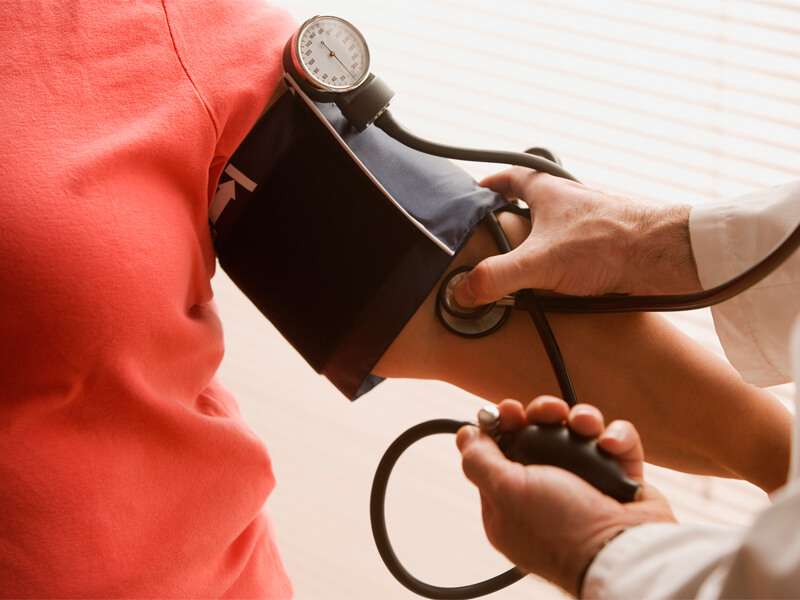
An annual health checkup is essential for maintaining overall health and preventing potential medical conditions. This proactive approach allows early detection of issues before they become serious.
- During these checkups, common evaluations include blood tests that assess cholesterol levels and liver function alongside vital sign checks for blood pressure and heart rate.
- Discussion of personal medical history helps identify any family-related health risks that require closer monitoring or testing.
- Your doctor will likely recommend vaccinations based on your age and health status to help safeguard against preventable diseases.
- The visit also includes discussions around lifestyle factors such as nutrition and exercise habits which are critical for maintaining good health outcomes.
An annual checkup empowers individuals with knowledge about their health status while fostering a strong doctor-patient relationship focused on preventive care.
DIABETES SCREENING

Diabetes is a chronic condition that affects how your body processes glucose. Early detection through screening is vital for effective management and prevention of complications.
- Common symptoms include increased thirst, frequent urination, extreme fatigue, and blurred vision.
- A blood glucose test, taken during a routine visit or fasting test, helps diagnose diabetes or pre-diabetes conditions.
- Management may involve lifestyle changes such as improved diet and regular physical activity; in some cases, medication or insulin therapy is necessary.
- Patients are guided on monitoring their blood sugar levels regularly to track their condition effectively.
- The goal is to maintain safe glucose levels to prevent complications related to diabetes over time.
Screening at regular intervals ensures timely intervention and better control of diabetes-related risks.
HYPERTENSION MANAGEMENT

Hypertension, commonly known as high blood pressure, is a condition that often goes unnoticed and can lead to serious health issues if left untreated. Regular screening is crucial, especially for adults over the age of 40.
- Symptoms may include headaches, shortness of breath, or nosebleeds, though many individuals experience no symptoms at all.
- Diagnosis typically involves measuring blood pressure during routine check-ups and may require multiple readings to confirm.
- Treatment options include lifestyle changes such as diet and exercise, along with medications like diuretics and ACE inhibitors.
- Managing stress through techniques such as yoga or meditation can also aid in controlling blood pressure.
- Regular monitoring is essential to adjust treatment plans effectively and ensure optimal control over hypertension.
With appropriate management strategies, individuals can effectively lower their blood pressure, reducing the risk of heart disease and stroke.