
Dr Sandeep Deshpande
About Me
Dr Sandeep Deshpande
Cardiologist
Biography
My Clinic
OPD Hours
| Tuesday | Morning | 10:00 AM | - | 02:00 PM |
| Evening | 06:00 PM | - | 09:00 PM | |
| Wednesday | Morning | 10:00 AM | - | 02:00 PM |
| Evening | 06:00 PM | - | 09:00 PM | |
| Thursday | Morning | 10:00 AM | - | 02:00 PM |
| Evening | 06:00 PM | - | 09:00 PM | |
| Friday | Morning | 10:00 AM | - | 02:00 PM |
| Evening | 06:00 PM | - | 09:00 PM | |
| Saturday | Morning | 10:00 AM | - | 02:00 PM |
| Evening | 06:00 PM | - | 09:00 PM | |
| Sunday | Morning | 10:00 AM | - | 02:00 PM |
| Evening | 06:00 PM | - | 09:00 PM | |
| Thursday | Morning | 10:00 AM | - | 02:00 PM |
| Evening | 06:00 PM | - | 09:00 PM |
Treatments
Specialised care and treatments offered
HEART VALVE DISORDERS

Heart valve disorders affect one or more valves within the heart's structure leading often towards compromised cardiac efficiency over time without timely intervention. These conditions might manifest subtly but can have profound implications for health status if neglected over prolonged periods.
- Common manifestations might entail fatigue during exertion alongside intermittent episodes of swelling due primarily towards forming congestive states within systemic circulation moving forward.
- This disorder’s diagnosis hinges upon thorough auscultation techniques coupled sometimes alongside echocardiographers elucidation revealing abnormal flows detected via Doppler assessments like TTE/TEE methodologies utilized thereafter.
- Possible treatments would often involve surgical repair/replacement facilitated expediently through minimally invasive avenues where applicable addressing overall hemodynamic functionality concurrently enhancing quality metrics promptly within respective outcomes aspirations noted periodically observed among populations traditionally affected therein accordingly therein likewise managed closely monitored thereafter .
- Patients should engage actively participating throughout their rehabilitative journeys adhering optimally self-care plans denoted importantly incorporated therein so sustained benefits retained maximally consistently overall henceforth yielding improved prognoses positively envisioned comprehensively pursued thereafter subsequently .
Timeliness along with efficacy represent generally paramount concerning achieving maximal therapeutic goals catered specifically into individualized contexts realized ultimately collaboratively explored thoroughly across multidisciplinary gateways welcoming innovation subsequently driven efforts coordinated seamlessly executed continually burgeoned forth responsibly embraced thus enriching lives profoundly beyond conventional confines realized meaningfully integrally cherished profoundly .
HYPERTENSIVE CRISIS
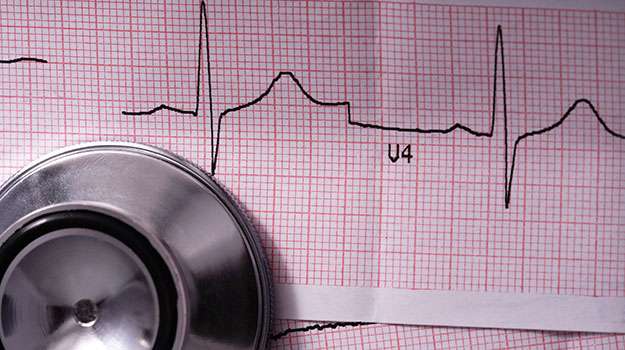
A hypertensive crisis refers to severely elevated blood pressure that requires immediate medical attention. It differs from typical hypertension since it poses significant risks for organ damage if not addressed swiftly. Awareness of the warning signs can prevent complications from escalating further.
- Symptoms often include severe headache, vision problems, shortness of breath, or nosebleeds indicating potential end-organ injury.
- This condition is diagnosed through direct measurement of blood pressure readings alongside evaluating acute symptoms via clinical assessment methods.
- Treatment needs quick intervention involving intravenous medications aimed at lowering blood pressure safely while being monitored closely for effectiveness.
- Drugs used might include nitroglycerin or labetalol depending on patient presentation needs.
- Follow-up care post-crisis remains critical since sustained hypertension increases risks across multiple bodily systems.
Quick response during a hypertensive crisis allows healthcare professionals better chances at mitigating long-term adverse effects on overall health.
CORONARY ARTERY DISEASE
Coronary artery disease (CAD) arises when the coronary arteries become narrowed or blocked by plaque buildup. This results in reduced blood flow to the heart muscle, potentially leading to angina or heart attacks if severe. Knowing your risks plays a vital role in prevention strategies.
- Mainly caused by lifestyle factors such as smoking and high cholesterol, CAD symptoms may include chest pain during exertion.
- The diagnosis often relies on coronary angiography alongside stress testing techniques like echocardiography or treadmill tests.
- Treatment approaches range from lifestyle changes and medications like statins to more invasive options like stenting or bypass surgery when necessary.
- A comprehensive management plan will usually involve monitoring progress through regular assessments of cardiac health indicators.
If you understand coronary artery disease thoroughly, it becomes easier to make informed decisions regarding health choices moving forward.
ATRIAL FIBRILLATION
Atrial fibrillation (AFib) is an irregular heartbeat that can lead to serious complications if left untreated. It often presents with palpitations or other troubling symptoms that can interfere with daily activity. Understanding this condition helps patients seek timely help.
- Poorly controlled AFib may manifest as episodes of dizziness or chest discomfort due to inadequate blood circulation.
- The diagnosis typically involves an EKG, Holter monitor tests, or event recorders depending on symptom frequency.
- Treatment includes medications for rate control as well as anticoagulants to reduce stroke risk; some may require catheter ablation for rhythm correction.
- Lifestyle changes such as reducing alcohol intake can also be beneficial in managing AFib effectively.
- Regular check-ups are essential for adjusting treatments based on individual response over time.
Your healthcare team will work closely with you to create a personalized plan for managing atrial fibrillation efficiently.
CONGESTIVE HEART FAILURE
Congestive heart failure (CHF) is a chronic condition in which the heart is unable to pump effectively. This can result in fluid buildup in the lungs and other tissues, significantly affecting quality of life. Recognizing early signs can facilitate better treatment outcomes.
- Common symptoms include fatigue, swollen legs, difficulty breathing, and rapid heartbeat.
- A healthcare provider will diagnose CHF through physical exams, echocardiograms, and possibly MRIs or CT scans for further evaluation.
- Treatment options may involve diuretics to reduce fluid overload and ACE inhibitors to improve heart function.
- Lifestyle modifications such as dietary changes and regular exercise are also integral to management.
- Patients should prepare for ongoing follow-up care to monitor their condition effectively.
With appropriate management strategies, many individuals with CHF can lead fulfilling lives.
MYOCARDIAL INFARCTION
A myocardial infarction, commonly known as a heart attack, occurs when blood flow to a part of the heart is blocked. This blockage can lead to damage or death of heart muscle tissue. Understanding the causes and symptoms of a heart attack is crucial for prompt treatment.
- Symptoms may include chest pain, shortness of breath, nausea, and sweating.
- The condition is typically diagnosed using an EKG, blood tests for specific markers, and imaging studies.
- Treatment often involves medications like aspirin and thrombolytics, along with possible surgical interventions such as angioplasty.
- Management focuses on restoring blood flow and may include lifestyle changes to prevent future events.
- Patients can expect a multi-faceted recovery plan that includes monitoring cardiac function and rehabilitation.
Timely medical intervention is essential to minimize heart damage during a myocardial infarction.