
Dr Sandeep Gupta
About Me
Dr Sandeep Gupta
MD
ENDOCRINOLOGIST
10 Years Experience
Biography
My Clinic
OPD Hours
| Monday | Morning | 10:00 AM | - | 02:00 PM |
| Evening | 06:00 PM | - | 09:00 PM | |
| Tuesday | Morning | 10:00 AM | - | 02:00 PM |
| Evening | 06:00 PM | - | 09:00 PM | |
| Wednesday | Morning | 10:00 AM | - | 02:00 PM |
| Evening | 06:00 PM | - | 09:00 PM | |
| Thursday | Morning | 10:00 AM | - | 02:00 PM |
| Evening | 06:00 PM | - | 09:00 PM | |
| Friday | Morning | 10:00 AM | - | 02:00 PM |
| Evening | 06:00 PM | - | 09:00 PM | |
| Saturday | Morning | 10:00 AM | - | 02:00 PM |
| Evening | 06:00 PM | - | 09:00 PM | |
| Sunday | Morning | 10:00 AM | - | 02:00 PM |
| Evening | 06:00 PM | - | 09:00 PM |
Treatments
Specialised care and treatments offered
HYPOPITUITARISM
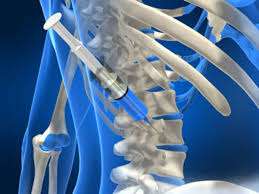
Hypopituitarism occurs when the pituitary gland fails to produce adequate hormones critical for bodily functions. This deficiency spans various hormones leading distinct effects across multiple systems within the body.
- Symptoms : Across different age groups signs manifesting include fatigue infertility stunted growth among children etc .
- Causes : Damage tumors by injury infections genetic conditions contribute towards development hypopituitarism .
- Diagnosis : < /Strong Diagnostic evaluations entail hormonal assays MRI scans confirming pituitary dysfunction .
- Treatment options : < / Strong Therapy focuses replacing deficient hormones regular monitoring progress through consultations specialists required maintain efficacy therapy plans going forward .
The journey managing hypopituitarism necessitates collaborative efforts ensuring patients receive utmost care addressing individual needs holistically .
CUSHING'S SYNDROME

Cushing's Syndrome results from prolonged exposure to high cortisol levels in the body. This hormonal imbalance leads to several physiological changes requiring clinical attention. Early intervention is key for effective treatment outcomes.
- Symptoms: Symptoms include weight gain around the abdomen face rounding skin fragility among others.< br/>
- Causes: Causes may be due to tumors either benign or malignant affecting adrenal glands pituitary gland leading increased cortisol production.< br/>
- Diagnosis: Diagnosis involves a combination of urine tests imaging studies along with thorough physical examinations.< br/>
- Treatment options: Options include surgery radiation therapy medications designed suppress cortisol output depending upon underlying cause.< br/>
- What to Expect : Management requires consistent follow-up assessments ensuring complications minimized maintained satisfactory quality life adhering prescribed therapies regularly . < br/>
With informed decisions Cushing’s syndrome patients attain better control their health through guidance .
POLYCYSTIC OVARY SYNDROME (PCOS)

Polycystic Ovary Syndrome (PCOS) is a hormonal disorder affecting women during reproductive age. It can lead to various metabolic issues if left untreated. Education about PCOS is vital for women experiencing symptoms.
- P
HYPERLIPIDEMIA

Hyperlipidemia refers to elevated levels of lipids (fats) in the blood. This condition can increase the risk of cardiovascular diseases. Understanding lipid profiles is critical for evaluating heart health.
- Symptoms: Most individuals do not experience visible symptoms; routine blood testing is essential for diagnosis.
- Causes: Factors such as genetics, poor diet, obesity, and inactivity contribute to hyperlipidemia.
- Diagnosis: A lipid panel measures cholesterol levels (HDL and LDL) along with triglycerides to assess lipid status.
- Treatment options: Lifestyle interventions including diet change and exercise are often recommended; statins may be prescribed if necessary.
- What to expect: Regular monitoring is important to maintain healthy lipid levels and reduce cardiovascular risk over time.
A proactive approach towards managing hyperlipidemia can significantly improve overall health outcomes.
THYROID DISORDERS

Thyroid disorders encompass various conditions that affect the thyroid gland's function. These disorders can disrupt metabolic processes in the body. Recognizing symptoms early on can aid in prompt treatment.
- Symptoms: Weight changes, fatigue, hair loss, and mood swings may indicate thyroid issues.
- Causes: Autoimmune diseases such as Hashimoto's thyroiditis or Graves' disease are common culprits.
- Diagnosis: Blood tests measuring TSH and T4 levels are typically used to evaluate thyroid function.
- Treatment options: Depending on the disorder type, treatments include hormone replacement therapy or medications that regulate thyroid hormone production.
- What to expect: Regular follow-ups and adjustments in medication may be necessary for optimal management of thyroid health.
A tailored approach ensures effective stabilization of symptoms associated with thyroid disorders.
DIABETES MELLITUS

Diabetes Mellitus is a chronic condition characterized by high blood sugar levels. The body either does not produce enough insulin or does not use it effectively. Understanding diabetes is crucial for effective management and prevention of complications.
- Symptoms: Increased thirst, frequent urination, fatigue, and blurred vision are common indicators.
- Causes: It can arise from genetic factors, obesity, sedentary lifestyle, or hormonal imbalances.
- Diagnosis: Blood tests, such as fasting glucose and HbA1c levels, help confirm the presence of diabetes.
- Treatment options: Management includes lifestyle modifications, dietary changes, regular exercise, and medications like insulin or oral hypoglycemics.
- What to expect: Ongoing monitoring of blood sugar levels is essential for preventing long-term complications associated with diabetes.
With proper management strategies in place, individuals with diabetes can lead healthy and active lives.