
DR Sandeep Juneja
About Me
DR Sandeep Juneja
MBBS
General Physician
Biography
My Clinic
OPD Hours
| Monday | Morning | 10:00 AM | - | 02:00 PM |
| Evening | 06:00 PM | - | 09:00 PM | |
| Tuesday | Morning | 10:00 AM | - | 02:00 PM |
| Evening | 06:00 PM | - | 09:00 PM | |
| Wednesday | Morning | 10:00 AM | - | 02:00 PM |
| Evening | 06:00 PM | - | 09:00 PM | |
| Thursday | Morning | 10:00 AM | - | 02:00 PM |
| Evening | 06:00 PM | - | 09:00 PM | |
| Friday | Morning | 10:00 AM | - | 02:00 PM |
| Evening | 06:00 PM | - | 09:00 PM | |
| Saturday | Morning | 10:00 AM | - | 02:00 PM |
| Evening | 06:00 PM | - | 09:00 PM | |
| Sunday | Morning | 10:00 AM | - | 02:00 PM |
| Evening | 06:00 PM | - | 09:00 PM |
Treatments
Specialised care and treatments offered
NUTRITION COUNSELING
A balanced diet forms the foundation for good health. Nutrition counseling helps individuals understand their dietary needs based on personal goals while providing actionable steps towards achieving those goals thus incorporating valuable nutrients into everyday meals efficiently!
STRESS MANAGEMENT

Chronic stress presents various physical symptoms that affect overall wellbeing. Learning effective stress management techniques plays a critical role in maintaining mental & emotional health while improving quality of life significantly over time.
- Symptoms : These may include anxiety attacks , insomnia , irritability , muscle tension , digestive problems .
- Identification methods : Use tools like stress diaries or assessment questionnaires with guidance from professionals .
- Coping strategies : Techniques might involve mindfulness practices , regular exercises(like yoga) , social support systems,and therapy solutions .
- What you’ll experience : Engaging effectively with these approaches yield better resilience towards daily challenges while fostering balance within one’s lifestyle .
Establishing personalized approaches fosters both immediate reliefs as well longitudinal benefits leading towards enhanced satisfaction living .
CHOLESTEROL MANAGEMENT

Elevated cholesterol levels pose significant health risks including heart disease. Monitoring cholesterol levels regularly is crucial in maintaining cardiovascular health over time. Understanding how cholesterol affects the body empowers better decision-making regarding lifestyle choices.
- Causes of high cholesterol: Factors include poor diet high in saturated fats, lack of physical activity, smoking habits, or genetic predisposition.
- Symptoms: Often asymptomatic; however, it can eventually lead to chest pain or heart-related issues if unchecked over time.
- Management techniques: Lifestyle changes involving improved diet (increased fruits/vegetables), regular exercise routines, weight loss programs when necessary; medications may also be prescribed based on individual profiles.
A proactive approach combined with support from healthcare providers leads to positive outcomes in managing cholesterol levels effectively.
ASTHMA CONTROL
Asthma is a respiratory condition characterized by airway inflammation and narrowing which causes difficulty in breathing. Proper management is essential to minimize symptoms and improve quality of life for those affected.
- Symptoms: Common indicators include wheezing, coughing (especially at night), chest tightness, and shortness of breath during physical activities.
- Diagnosis: Asthma is typically diagnosed through a combination of medical history reviews, physical exams, and lung function tests like spirometry.
- Treatment approaches: Management includes avoiding triggers, use of inhalers (both relievers and controllers), and developing an asthma action plan.
- Outcome expectations: With appropriate treatment plans in place, many individuals lead active lives with minimal disruptions from asthma symptoms.
Caring for asthma involves staying informed about your condition alongside regular consultations with your healthcare provider for optimal management strategies.
DIABETES CARE

Diabetes is a chronic medical condition where the body fails to properly process food for use as energy. It can lead to other serious health issues if not managed appropriately. Understanding diabetes is essential for effective management and healthy living.
- Causes: The main types include Type 1 (autoimmune) and Type 2 (related to obesity and inactivity); they both present unique challenges.
- Symptoms: Common signs include increased thirst, frequent urination, fatigue, and blurred vision.
- Management strategies: Dietary modifications, regular exercise, glucose monitoring, and medication are crucial for control.
- What to expect: Good diabetes management leads to improved quality of life and decreased risk of complications such as heart disease or neuropathy.
Your healthcare provider can guide you in creating an effective plan tailored to your needs for living well with diabetes.
HYPERTENSION MANAGEMENT

High blood pressure, or hypertension, is a common condition that can lead to serious health complications if left untreated. It is often referred to as a 'silent killer' due to its asymptomatic nature. Regular monitoring and lifestyle adjustments can significantly help manage this condition.
- Symptoms: Most individuals do not experience symptoms; however, some may report headaches, shortness of breath, or nosebleeds.
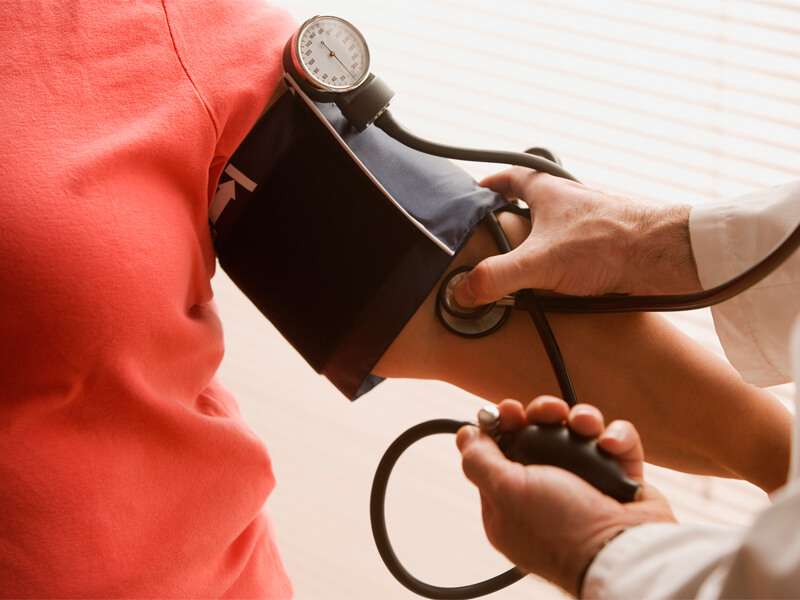
- Diagnosis: A healthcare provider will check blood pressure readings using a sphygmomanometer over multiple visits to confirm persistent hypertension.
- Treatment options: Management may involve lifestyle changes such as adopting a healthier diet, increasing physical activity, and medication if necessary.
- Expectations: With proper management, patients can control their blood pressure effectively and reduce the risk of heart disease and stroke.
By implementing healthy lifestyle choices along with regular check-ups, individuals can maintain optimal health despite having hypertension.