
Dr Sandeep Mathur
About Me
Dr Sandeep Mathur
MD
ENDOCRINOLOGIST
10 Years Experience
Biography
My Clinic
OPD Hours
| Monday | Morning | 10:00 AM | - | 02:00 PM |
| Evening | 06:00 PM | - | 09:00 PM | |
| Tuesday | Morning | 10:00 AM | - | 02:00 PM |
| Evening | 06:00 PM | - | 09:00 PM | |
| Wednesday | Morning | 10:00 AM | - | 02:00 PM |
| Evening | 06:00 PM | - | 09:00 PM | |
| Thursday | Morning | 10:00 AM | - | 02:00 PM |
| Evening | 06:00 PM | - | 09:00 PM | |
| Friday | Morning | 10:00 AM | - | 02:00 PM |
| Evening | 06:00 PM | - | 09:00 PM | |
| Saturday | Morning | 10:00 AM | - | 02:00 PM |
| Evening | 06:00 PM | - | 09:00 PM | |
| Sunday | Morning | 10:00 AM | - | 02:00 PM |
| Evening | 06:00 PM | - | 09:00 PM |
Treatments
Specialised care and treatments offered
ADRENAL INSUFFICIENCY
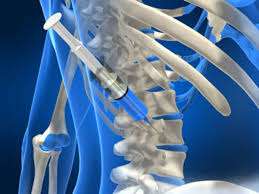
This condition arises when the adrenal glands fail to produce adequate amounts of certain hormones. Adrenal insufficiency can lead to severe fatigue, muscle weakness, weight loss among other troubling signs that affect daily functioning significantly .
- Symptoms typically manifest as chronic fatigue , low blood pressure , salt cravings due loss being unable properly regulate sodium .
- Diagnosis often calls for ACTH stimulation testing alongside comprehensive endocrine evaluations .
- Treatment usually consists mainly of lifelong steroid replacement therapies designed restore hormonal balance efficiently since abrupt withdrawal could lead potentially fatal outcomes .
Monitoring responses post-treatment & adjusting dosages proactively ensures better overall survival rates along improved living standards throughout one's life journey affected by this illness .
ACROMEGALY

Acromegaly is caused by excess growth hormone usually resulting from benign tumors on the pituitary gland. This leads to noticeable physical changes occurring gradually over time due to bone and soft tissue enlargement.
- Main symptoms, such as enlarged hands/feet and facial features like protruding jaw or brow ridges, could significantly impact personal appearance and wellbeing.
- Your healthcare provider may order MRI scans alongside blood tests measuring growth hormone and IGF-1 levels for accurate diagnosis.
- Management commonly includes surgical removal of adenomas when feasible; medications may also be used to control hormone production where surgery isn't possible .
- With appropriate treatment , many patients experience improvements in bodily functions while reducing risks associated with prolonged excess growth hormones .
Early intervention plays a vital role in regaining one’s health status as well as improving quality of life.
CUSHING'S SYNDROME

Cushing’s syndrome results from excessive cortisol production by the adrenal glands. This hormonal imbalance can lead to a myriad of physical changes and health issues if not addressed promptly.
- The hallmark symptoms often include rapid weight gain, skin changes like bruising or acne, and hypertension.
- A thorough diagnosis usually involves 24-hour urine tests for cortisol levels along with imaging studies if an adrenal tumor is suspected.
- Treatment options vary but may include surgery to remove tumors responsible for excess cortisol production or medication to control cortisol levels when surgery isn’t feasible or appropriate.
This condition's management focuses on restoring hormonal balance while addressing any related complications that arise from prolonged exposure to high cortisol levels.
HYPERPARATHYROIDISM

Hyperparathyroidism occurs when one or more of the parathyroid glands become overactive, leading to elevated calcium levels in the blood. This condition can have a range of effects on body systems.
- The most common symptoms include fatigue, joint pain, kidney stones, and abdominal discomfort due to high calcium levels.
- A combination of blood tests measuring parathyroid hormone (PTH) and calcium levels establishes diagnosis effectively.
- Treatments may involve surgical removal of the overactive gland(s) or monitoring if symptoms are mild but require regular assessments.
- Lifestyle adjustments such as hydration may assist in managing some symptoms associated with this condition.
If left untreated, hyperparathyroidism can lead to more serious health concerns; therefore timely diagnosis is critical for effective management.
THYROID DISORDERS

Thyroid disorders encompass a variety of conditions affecting the thyroid gland's function. This gland regulates metabolism through hormone production and imbalance can result in various health issues.
- Common symptoms include weight changes, energy fluctuations, and mood disturbances.
- Diagnosis often involves blood testing for thyroid hormone levels (TSH, T3, T4). Imaging tests might be necessary for certain cases.
- Treatment may include hormone replacement therapy or medication to lower hormone levels depending on whether the disorder involves underactivity or overactivity of the gland.
- Regular follow-ups are important for adjusting treatment plans as needed.
- A well-managed thyroid disorder can significantly enhance overall health and wellbeing.
This condition requires proactive management to maintain hormonal balance and metabolic functions.
DIABETES MELLITUS

Diabetes Mellitus is a chronic condition that affects how the body metabolizes glucose, the primary sugar found in blood. It can lead to serious health complications if not managed effectively.
- Symptoms may include increased thirst, frequent urination, fatigue, and blurred vision.
- The diagnosis typically involves blood tests measuring glucose levels and A1C tests to assess long-term control.
- Treatment options consist of lifestyle changes such as diet and exercise, along with medications including insulin or oral hypoglycemics.
- Regular monitoring of blood sugar levels is essential in managing diabetes effectively.
- Patients can expect a personalized management plan tailored to their specific needs.
Catching diabetes early can greatly improve the quality of life and prevent complications from developing.