
Dr Sandeep Rai
About Me
Dr Sandeep Rai
Internal Medicine
Biography
My Clinic
OPD Hours
| Tuesday | Morning | 10:00 AM | - | 02:00 PM |
| Evening | 06:00 PM | - | 09:00 PM | |
| Wednesday | Morning | 10:00 AM | - | 02:00 PM |
| Evening | 06:00 PM | - | 09:00 PM | |
| Thursday | Morning | 10:00 AM | - | 02:00 PM |
| Evening | 06:00 PM | - | 09:00 PM | |
| Friday | Morning | 10:00 AM | - | 02:00 PM |
| Evening | 06:00 PM | - | 09:00 PM | |
| Saturday | Morning | 10:00 AM | - | 02:00 PM |
| Evening | 06:00 PM | - | 09:00 PM | |
| Sunday | Morning | 10:00 AM | - | 02:00 PM |
| Evening | 06:00 PM | - | 09:00 PM | |
| Thursday | Morning | 10:00 AM | - | 02:00 PM |
| Evening | 06:00 PM | - | 09:00 PM |
Treatments
Specialised care and treatments offered
ANEMIA EVALUATION AND MANAGEMENT
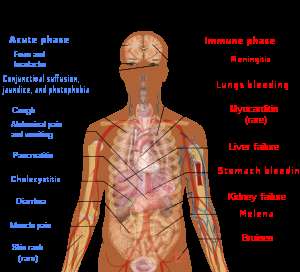
Anemia is characterized by low red blood cell count leading to reduced oxygen delivery throughout the body. Understanding its causes helps tailor effective treatment approaches accordingly.
- Symptoms : Fatigue, weakness , pale skin coloration ,and shortness of breath during exertion serve as common indicators requiring further assessment.
- Diagnosis : Blood tests will assess hemoglobin levels alongside additional evaluations determining potential underlying causes contributing toward anemia development. < < li Treatment modalities < / sron g.. Together with nutritional support , iron supplements help restore healthy hemoglobin counts gradually over time .< / l i < l i sub = 'corrected' video-type-2-diabeteg = 'black' mor * < str o ng style = 'font-weight:'subtle style margin-right:0;'> Intelligent care pathways enable more personalized patient-centered outcomes reducing future risks associated with inadequate red-blood cell production . < div class = 'adjunct-surgery-plan-intent'>``Ongoing follow-up appointments remain critical ensuring successful long-term management throughout recovery stages assisting continued vitality.` ` } } `} ] }ɲ 10 questions related users dynamics” situation & enlaces(Area-based Comments). 10 questions linked together! It's like your best friend forever trying!itlement incremental steps! Keep yourself calm — keeping complete anonymity though — Don't let anyone feel left out! Just keep going straight ahead:right arrows do all typing; just hit enter key…below essentials derive value focus on mapping out effects one day at time…good luck & stay confident!
CHRONIC OBSTRUCTIVE PULMONARY DISEASE (COPD) MANAGEMENT
COPD encompasses a group of progressive lung diseases that obstruct airflow making it difficult to breathe. Early detection plays a crucial role in maintaining quality of life for affected individuals.
- Symptoms : Characteristic symptoms include persistent cough with mucus production, shortness of breath during physical activities, and wheezing sounds when exhaling.
- Diagnosis : Diagnosis often involves lung function tests alongside imaging studies such as chest X-rays or CT scans focusing on lung structure.
- Treatment strategies : Bronchodilators provide relief from breathing difficulties while corticosteroids help reduce inflammation within the airways.
- Lifestyle interventions : Smoking cessation programs are essential components alongside pulmonary rehabilitation efforts meant to enhance exercise capacity.
Adhering closely to an individualized care plan aids patients significantly in managing COPD symptoms over time while promoting better respiratory health overall.`}
HYPERLIPIDEMIA TREATMENT
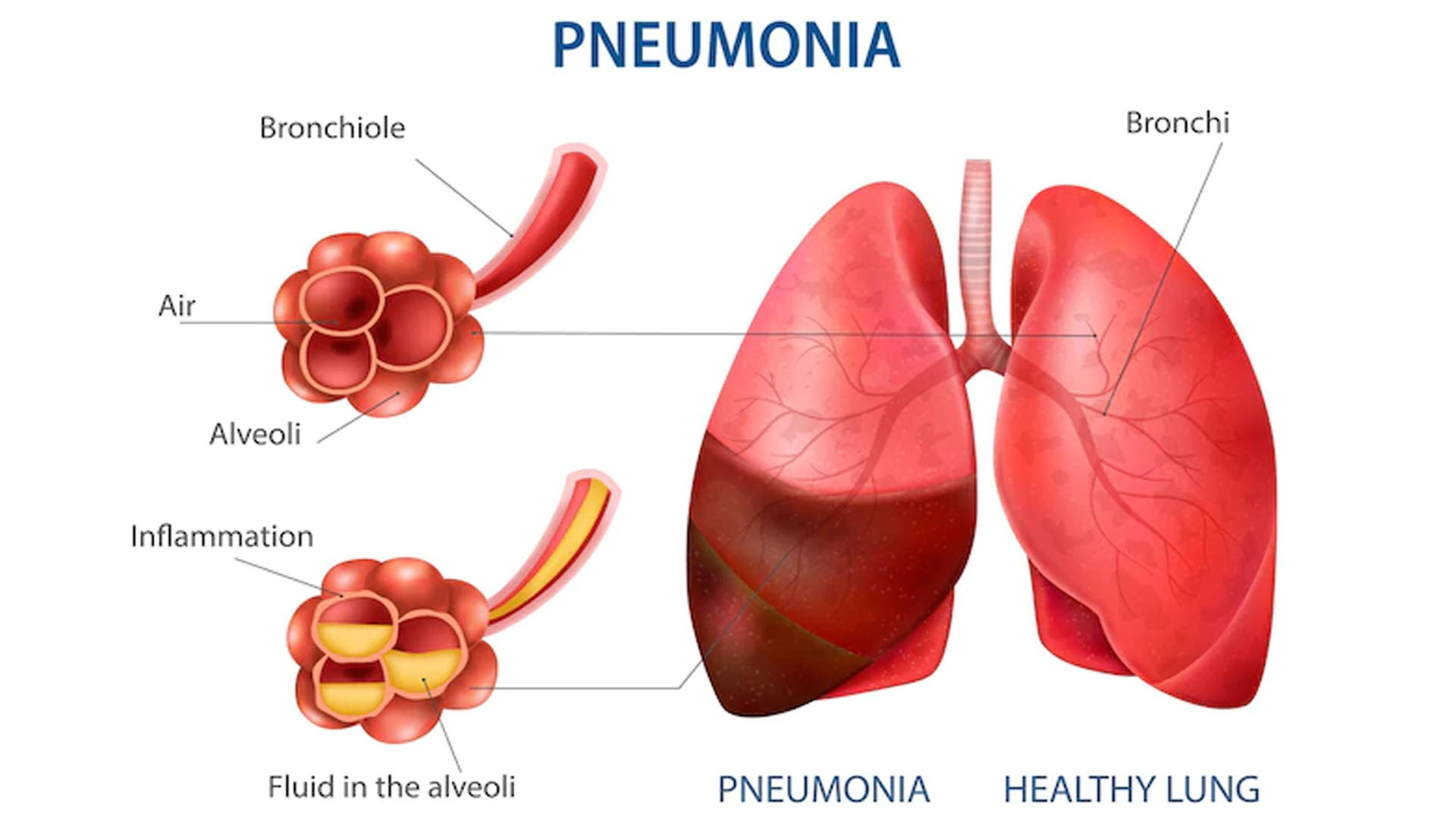
Hyperlipidemia refers to elevated levels of lipids (fats) in the blood, which increases the risk of cardiovascular diseases. Understanding how to manage this condition is vital for heart health.
- Symptoms: Often asymptomatic; however, high lipid levels may contribute to other conditions like chest pain or heart attack if not managed properly.
- Diagnosis: Lipid profiles obtained through blood tests reveal cholesterol and triglyceride levels for assessing risks associated with hyperlipidemia.
- Treatment methods: Medications such as statins may be prescribed alongside dietary modifications aimed at reducing saturated fats intake and increasing physical activity.
An individualized approach focusing on lifestyle changes along with pharmacotherapy provides a comprehensive strategy for managing hyperlipidemia effectively over time.
ASTHMA MANAGEMENT
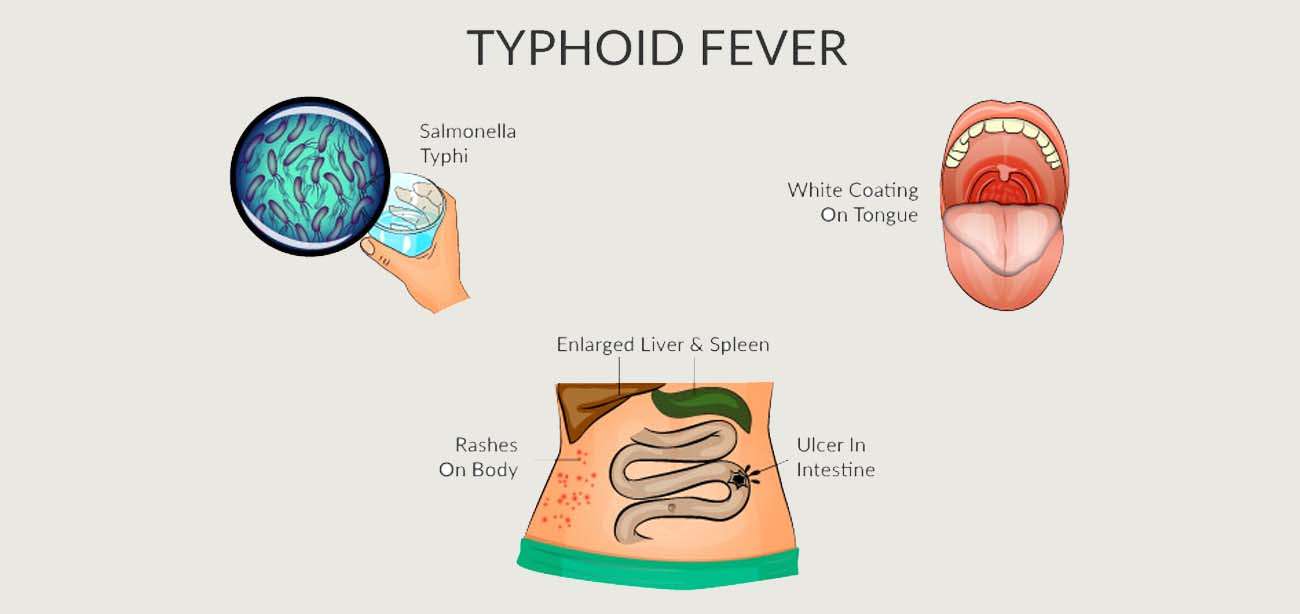
Asthma is a respiratory condition characterized by difficulty breathing due to inflammation and narrowing of the airways. Proper management allows individuals to lead normal lives without significant limitations.
- Symptoms: Common symptoms include wheezing, chest tightness, shortness of breath, and coughing, especially during night or early morning hours.
- Diagnosis: A thorough evaluation entails lung function tests (spirometry) along with patient history assessments to confirm asthma diagnosis.
- Treatment options: Inhalers containing bronchodilators or corticosteroids are typically prescribed to control symptoms effectively.
- Avoiding triggers: Identifying allergens or irritants that provoke asthma attacks is essential for effective management strategies.
With an appropriate treatment plan in place, patients can manage asthma effectively and engage fully in daily activities without interruption from symptoms.
DIABETES CARE
Diabetes is a chronic condition that affects how your body processes glucose. Managing diabetes effectively is vital for achieving optimal health outcomes and preventing complications.
- Symptoms: Increased thirst, frequent urination, fatigue, and blurred vision are common signs of diabetes.
- Diagnosis: Blood tests measuring glucose levels determine whether you have prediabetes or diabetes.
- Treatment options: Depending on type, insulin therapy or oral medications can help regulate blood sugar levels effectively.
- Lifestyle modifications: Adopting a healthier diet and incorporating regular physical activity has proven beneficial for many patients.
- Follow-up care: Regular check-ups ensure insulin doses and dietary plans are adjusted appropriately based on individual progress.
A proactive approach toward diabetes management can significantly enhance quality of life by minimizing complications over time.
HYPERTENSION MANAGEMENT
Hypertension, or high blood pressure, is a common condition that can lead to severe health issues if left untreated. Effective management is crucial to maintain cardiovascular health and reduce the risk of complications.
- Symptoms: Many individuals experience no symptoms, but some may report headaches or dizziness.
- Diagnosis: Blood pressure readings are taken using a sphygmomanometer during regular check-ups to monitor levels.
- Treatment options: Lifestyle changes, such as diet and exercise, may be recommended alongside medications like diuretics or ACE inhibitors.
- Management: Regular monitoring and follow-up appointments help adjust treatment plans according to patient needs.
- Expectations: With proper management, individuals can lead healthy lives while keeping their blood pressure in check.
Early intervention and consistent follow-up are key components in controlling hypertension effectively.