
Dr Sandhya Arya
About Me
Dr Sandhya Arya
BAMS
General Physician
20 Years Experience
Biography
My Clinic
OPD Hours
| Monday | Morning | 09:00 AM | ||
| Evening | 09:00 PM | |||
| Tuesday | Morning | 09:00 AM | ||
| Evening | 09:00 PM | |||
| Wednesday | Morning | 09:00 AM | ||
| Evening | 09:00 PM | |||
| Thursday | Morning | 09:00 AM | ||
| Evening | 09:00 PM | |||
| Friday | Morning | 09:00 AM | ||
| Evening | 09:00 PM | |||
| Saturday | Morning | 09:00 AM | ||
| Evening | 09:00 PM | |||
| Sunday | Morning | 09:00 AM | ||
| Evening | 09:00 PM |
Treatments
Specialised care and treatments offered
ANNUAL HEALTH CHECK-UPS
An annual health check-up plays an integral role in preventive healthcare by identifying potential health issues before they become severe problems. Regular assessments facilitate early intervention strategies tailored specifically for each individual's needs!
- During these visits,vital signs such as blood pressure and heart rate will be evaluated alongside routine laboratory tests!
- Depending on age group,screenings for conditions like diabetes or high cholesterol might also be included!
- The consultation allows an opportunity for patients to discuss any lifestyle concerns or changes they've experienced over the last year!
- Ultimately,annual screenings can guide recommendations around diet modifications/exercise regimens aimed at promoting better overall wellness!
Investing time into yearly assessments fosters a proactive stance toward cultivating healthier living patterns long-term!
INFECTION PREVENTION COUNSELING

Preventing infections is crucial for maintaining overall health, especially in vulnerable populations. Knowledge about infection control measures greatly enhances safety in daily life activities.
- The safety measures focus on hygiene practices such as frequent hand washing and using sanitizers where necessary to minimize exposure to pathogens!
- Counseling sessions often assess individual risk factors based on lifestyle choices like nutrition habits or vaccination statuses!
- This proactive approach emphasizes staying up-to-date on vaccinations designed to protect against common diseases such as influenza!
Comprehensive infection prevention strategies not only protect individual health but also contribute to public health efforts by reducing disease transmission rates within communities!
CHOLESTEROL MANAGEMENT
High cholesterol is a common condition that raises the risk for heart disease. Understanding your cholesterol levels is key for maintaining heart health throughout life.
- The condition usually has no symptoms, which makes regular testing essential for early detection.
- A lipid panel test measures total cholesterol along with LDL (bad) cholesterol and HDL (good) cholesterol levels in the blood.
- If cholesterol levels are elevated, lifestyle changes including diet adjustments—like reducing saturated fats—and increased physical activity are often recommended first-line strategies.
- If necessary, medications such as statins might be prescribed to help lower bad cholesterol levels effectively over time.
With proper management practices in place, individuals can significantly reduce their cardiovascular risks associated with high cholesterol levels.
RESPIRATORY INFECTIONS TREATMENT
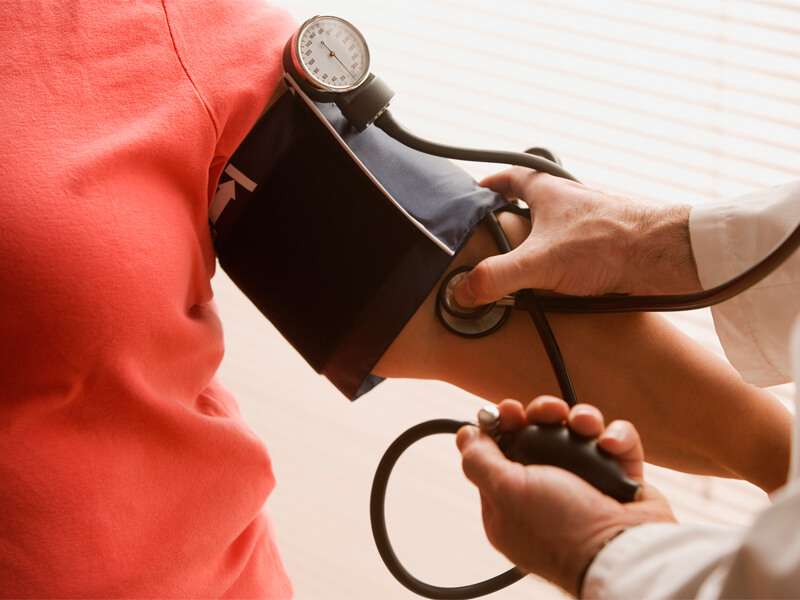
Respiratory infections encompass a range of illnesses affecting the airways and lungs. These can vary in severity from mild colds to more serious conditions like pneumonia.
- Common symptoms include coughing, fever, sore throat, and difficulty breathing.
- A thorough assessment often includes physical examinations along with diagnostic tests such as chest X-rays or sputum cultures.
- Treatment options depend on the specific infection; viral infections might be managed symptomatically while bacterial infections could require antibiotics.
- Pneumonia patients may need additional therapeutic measures such as bronchodilators or corticosteroids to aid breathing.
A prompt diagnosis can lead to effective treatment strategies that ensure swift recovery from respiratory ailments.
DIABETES SCREENING

Diabetes is a metabolic disorder characterized by elevated blood sugar levels. Early detection through screening can help mitigate long-term health complications associated with the disease.
- Symptoms often include increased thirst, frequent urination, extreme fatigue, and blurred vision.
- Screening usually involves blood tests like Fasting Blood Glucose (FBG) or HbA1c to evaluate glucose levels over time.
- If diagnosed with diabetes, management plans may include dietary modifications, regular physical activity, and medications such as insulin or oral hypoglycemics.
- Patients are encouraged to maintain regular follow-ups to monitor their glucose levels and overall health status effectively.
An early diagnosis can greatly improve quality of life and decrease the risk of complications related to diabetes.
HYPERTENSION MANAGEMENT
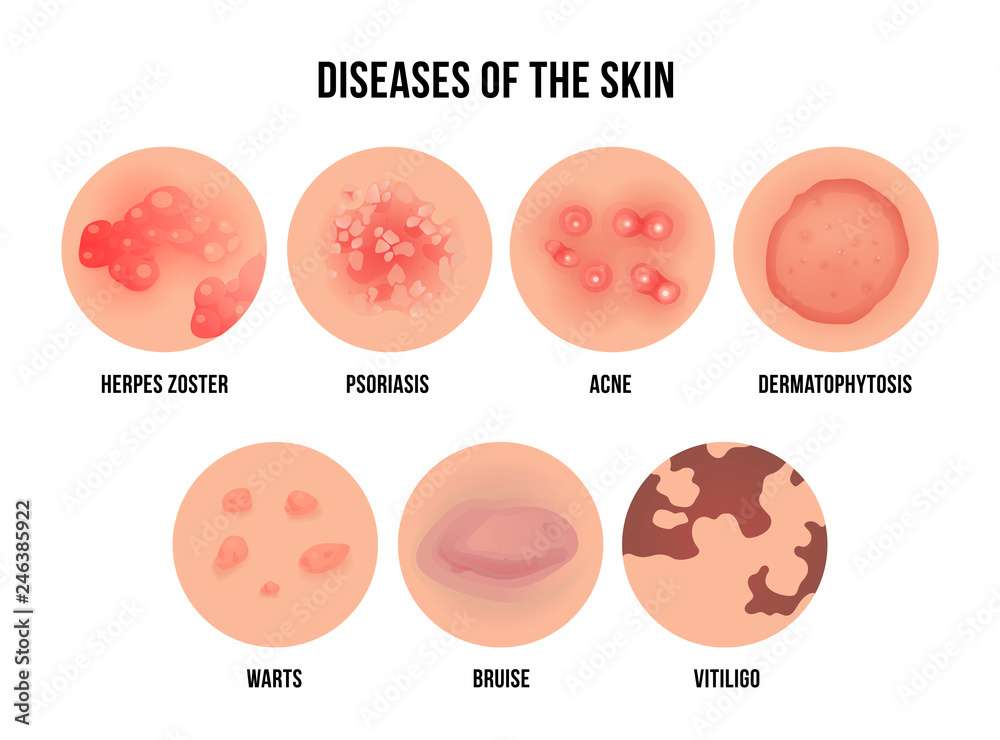
Hypertension, commonly known as high blood pressure, is a prevalent condition that affects a significant portion of the adult population. It can lead to severe health complications if not managed properly.
- Symptoms may include headaches, shortness of breath, and nosebleeds, although many individuals may experience no symptoms at all.
- The condition is typically diagnosed through routine blood pressure measurements taken during health check-ups.
- Treatment options generally involve lifestyle changes such as diet and exercise, as well as medications aimed at controlling blood pressure levels.
- Regular monitoring is essential for effective management, which may include periodic check-ups to assess blood pressure readings.
- A comprehensive approach may also involve managing stress levels and avoiding tobacco or excessive alcohol use.
Timely detection and effective management of hypertension can significantly reduce the risk of heart disease and stroke.