
Dr Sandip Kumar Y
About Me
Dr Sandip Kumar Y
MBBS
General Physician
10 Years Experience
Biography
My Clinic
OPD Hours
| Monday | Morning | 10:00 AM | - | 02:00 PM |
| Evening | 06:00 PM | - | 09:00 PM | |
| Tuesday | Morning | 10:00 AM | - | 02:00 PM |
| Evening | 06:00 PM | - | 09:00 PM | |
| Wednesday | Morning | 10:00 AM | - | 02:00 PM |
| Evening | 06:00 PM | - | 09:00 PM | |
| Thursday | Morning | 10:00 AM | - | 02:00 PM |
| Evening | 06:00 PM | - | 09:00 PM | |
| Friday | Morning | 10:00 AM | - | 02:00 PM |
| Evening | 06:00 PM | - | 09:00 PM | |
| Saturday | Morning | 10:00 AM | - | 02:00 PM |
| Evening | 06:00 PM | - | 09:00 PM | |
| Sunday | Morning | 10:00 AM | - | 02:00 PM |
| Evening | 06:00 PM | - | 09:00 PM |
Treatments
Specialised care and treatments offered
CHRONIC OBSTRUCTIVE PULMONARY DISEASE (COPD) CARE
COPD refers to progressive lung diseases that limit airflow causing breathing difficulty. It mainly affects middle-aged adults especially those exposed to tobacco smoke or pollutants over time。
- Symptoms/causes :Persistent cough with sputum production, breathlessness exacerbated by exertion due primarily due tobacco exposure though occupational hazards contribute also。
- Diagnostic tools :Pulmonary function tests including spirometry confirm airflow obstruction presence along clinical evaluation。
- Management plan :Smoking cessation remains cornerstone followed by bronchodilators inhaled corticosteroids eventually oxygen therapy dependant on severity。Physical rehabilitation boosts quality生活。
- Expectations :While COPD is irreversible,optimized treatments mitigate symptom burden并延缓疾病进展,应定期检查肺功能以调整方案。
ANEMIA EVALUATION AND MANAGEMENT

Anemia occurs when there's a reduced number of red blood cells or hemoglobin level causing decreased oxygen delivery throughout the body. It affects all ages but has various underlying reasons that need investigation.
- Spectrum & Symptoms:Mild anemia may cause fatigue or pallor while severe forms lead to shortness of breath and dizziness; stemming from nutritional deficiencies (iron/B12), chronic diseases or bleeding disorders primarily.
- Evidential diagnosis process:A complete blood count test along with serum ferritin levels aids in determining type & cause; sometimes bone marrow biopsy is necessary in complex scenarios.
- Treatment modalities: Addressing nutrient deficits through supplements/dietary enrichment constitutes front line care whereas treating chronic conditions underlies long term improvement; transfusions employed selectively during emergencies only.
GASTROENTERITIS TREATMENT

An inflammation of the stomach and intestines known as gastroenteritis causes symptoms like diarrhea and vomiting. It is commonly due to infections but also linked to food intolerance or medications.
- Main causes/symptoms: Viral infections (norovirus/rotavirus), bacterial toxins; presenting with nausea, abdominal cramps, watery stools & dehydration risk in children/elderly.
- Diagnosis methods: Clinical evaluation supported by stool analysis in complicated cases helps identify the cause accurately.
- Treatment strategies: Oral rehydration solutions (ORS) are crucial for preventing dehydration. Dietary adjustments avoiding spicy/fatty foods assist recovery; antibiotics reserved for bacterial causes only after confirmation.
- Pocket advice:The illness generally resolves spontaneously within days; however prolonged symptoms warrant medical consultation to avoid complications such as electrolyte imbalance or kidney issues.
COMMON COLD AND INFLUENZA CARE
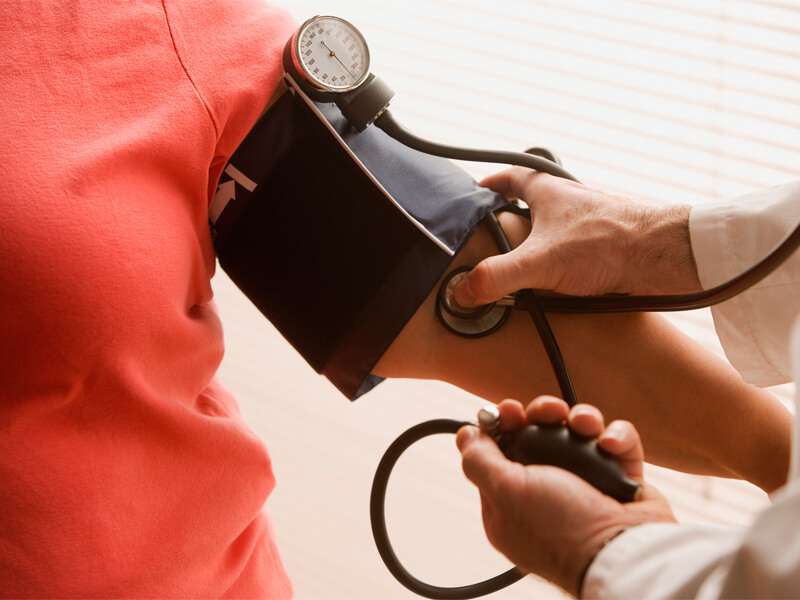
The common cold and influenza are viral infections affecting the respiratory tract. Although often self-limiting, proper care can reduce discomfort and prevent complications.
- Identification: Symptoms include runny nose, sore throat, cough, fever (more prominent in flu), body aches, and fatigue.
- Differentiation: While colds cause mild symptoms mostly affecting the nose and throat, flu tends to have more severe systemic manifestations.
- Treatment options: Rest, hydration, over-the-counter symptom relief medicines like antipyretics or decongestants are recommended. Antiviral drugs may be prescribed within 48 hours in certain high-risk groups for influenza.
- Caution: Seek medical help if symptoms worsen or persist beyond typical duration to rule out secondary infections.
A timely response can alleviate symptoms effectively while minimizing spread to others around you.
TYPE 2 DIABETES MELLITUS

Type 2 diabetes is a metabolic disorder characterized by insulin resistance leading to elevated blood sugar levels. Early detection and control are key to preventing complications.
- Causes/Symptoms: This condition often develops from obesity, sedentary lifestyles, or family history. Symptoms include increased thirst, frequent urination, fatigue, and blurred vision.
- Diagnostic tests: Blood glucose tests such as fasting plasma glucose and HbA1c help establish diagnosis.
- Treatment approach: Managing type 2 diabetes includes dietary adjustments focusing on low glycemic index foods, regular physical activity, oral hypoglycemics, and sometimes insulin therapy depending on disease progression.
- Monitoring: Regular monitoring of blood sugar levels and kidney function safeguards against long-term damage.
Lifelong management with medical guidance ensures better quality of life for those affected by this illness.
HYPERTENSION MANAGEMENT

High blood pressure, or hypertension, is a common condition that can lead to serious health complications if left untreated. Managing hypertension involves a combination of lifestyle changes and medication.
- Symptoms/causes: Often called the "silent killer," hypertension usually shows no symptoms but can be caused by genetics, poor diet, lack of exercise, stress, or other medical conditions.
- Diagnosis: Regular blood pressure monitoring through multiple readings over time helps confirm the diagnosis.
- Treatment: Lifestyle modifications such as reducing salt intake, exercising regularly, quitting smoking, and managing stress are essential. Medications like ACE inhibitors or beta-blockers may be prescribed based on severity.
- Management: Continuous follow-up is important to adjust treatment plans and monitor for complications.
With proper management, many individuals with hypertension live healthy lives without serious consequences.