
Dr Sandra Drago
About Me
Dr Sandra Drago
MBBS,MD
General Physician
35 Years Experience
Biography
My Clinic
OPD Hours
| Monday | Morning | 09:00 AM | ||
| Evening | 09:00 PM | |||
| Tuesday | Morning | 09:00 AM | ||
| Evening | 09:00 PM | |||
| Wednesday | Morning | 09:00 AM | ||
| Evening | 09:00 PM | |||
| Thursday | Morning | 09:00 AM | ||
| Evening | 09:00 PM | |||
| Friday | Morning | 09:00 AM | ||
| Evening | 09:00 PM |
Treatments
Specialised care and treatments offered
ANNUAL HEALTH CHECK-UP
An annual health check-up serves as a comprehensive assessment of one's overall well-being. It allows for early detection of potential health issues before they become more severe problems。
PREVENTIVE IMMUNIZATIONS

The importance of vaccines in preventing illness cannot be overstated. Immunizations protect not only individual health but also public health by creating herd immunity against infectious diseases.
- Symptoms: Some illnesses prevented by vaccines include measles , mumps , rubella , influenza , among others that pose severe risks .
- Causes: Vaccine-preventable diseases spread easily through contacts ; hence vaccinations are crucial .
- Diagnosis: Vaccination status is evaluated during routine visits to ensure optimal protection
Treatments may involve administering booster shots as per age guidelines; maintaining an updated vaccine schedule supports long-term health benefits.
CANCER SCREENING
Cancer screenings are preventive measures aimed at detecting various types of cancer early when they are most treatable. These screenings vary depending on age and risk factors.
- Symptoms: Many cancers develop silently without noticeable symptoms; hence regular screenings play a critical role in early detection.
- Causes: While specific causes vary by cancer type, lifestyle choices such as smoking and poor diet contribute significantly .
- Diagnosis: Screenings often involve imaging tests or laboratory analyses based on the type of cancer being screened for .
- Treatment options: If detected early, treatment may involve surgery , chemotherapy , or radiation therapy tailored to individual needs .
- What to expect: Regular follow-ups ensure continued monitoring for any changes post-screening
An early diagnosis significantly increases treatment success rates; thus staying vigilant about screenings is paramount for everyone.
CHOLESTEROL SCREENING
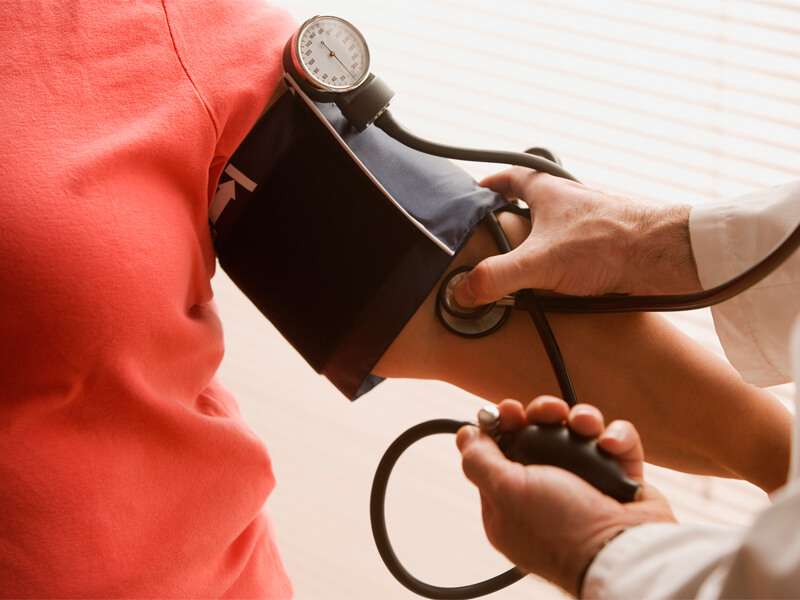
The monitoring of cholesterol levels is essential for assessing cardiovascular health. Elevated cholesterol can increase the risk of heart disease significantly.
- Symptoms: High cholesterol typically does not present symptoms; hence regular screenings are important even when feeling well.
- Causes: A diet high in saturated fat, physical inactivity, and genetics can lead to elevated cholesterol levels.
- Diagnosis: Cholesterol testing through a blood sample helps determine your lipid profile accurately during check-ups.
- Treatment options: Dietary adjustments, increased physical activity, and medications like statins may be recommended based on results.
- What to expect: Consistent monitoring will help adapt treatment plans to maintain healthy cholesterol levels over time.
A proactive approach in managing cholesterol could prevent serious heart-related conditions down the road.
DIABETES SCREENING

Diabetes is a chronic condition that affects how your body processes glucose. Early detection through screening plays a crucial role in managing the disease effectively.
- Symptoms: Common signs include increased thirst, frequent urination, fatigue, and blurred vision.
- Causes: Genetics, obesity, and lack of physical activity are significant contributors to diabetes development.
- Diagnosis: A simple blood test during routine check-ups can determine blood sugar levels.
- Treatment/management: Lifestyle modifications along with insulin or oral medications can help control blood sugar levels.
- What to expect: Regular follow-ups will help monitor progress and adjust treatments as needed for optimal health management.
A comprehensive approach focusing on lifestyle improvements paired with medical interventions is vital for sustaining well-being in diabetic patients.
HYPERTENSION MANAGEMENT
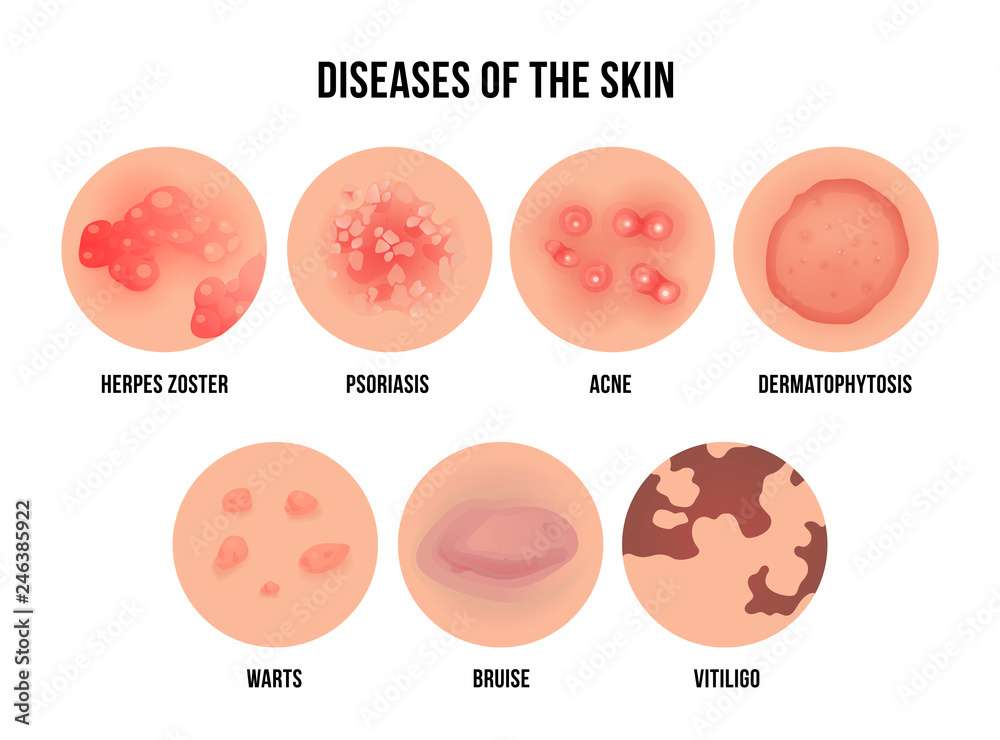
Hypertension, or high blood pressure, is a common condition that can lead to serious health issues if left untreated. It often has no symptoms, which is why regular screening is essential.
- Symptoms: Most individuals with hypertension experience no noticeable symptoms, making regular check-ups critical.
- Causes: Factors include obesity, lack of physical activity, excessive salt intake, and stress.
- Diagnosis: Blood pressure readings taken during routine visits help diagnose hypertension.
- Treatment options: Management may involve lifestyle changes such as diet and exercise, along with medications if necessary.
- What to expect: With proper management, patients can maintain normal blood pressure levels and reduce the risk of complications such as heart disease.
Regular monitoring and proactive management can lead to healthier outcomes and improved quality of life for those at risk or diagnosed with hypertension.