
Dr Sangeeta Agrawal
About Me
Dr Sangeeta Agrawal
Obstetrician
Biography
My Clinic
OPD Hours
| Tuesday | Morning | 10:00 AM | - | 02:00 PM |
| Evening | 06:00 PM | - | 09:00 PM | |
| Wednesday | Morning | 10:00 AM | - | 02:00 PM |
| Evening | 06:00 PM | - | 09:00 PM | |
| Thursday | Morning | 10:00 AM | - | 02:00 PM |
| Evening | 06:00 PM | - | 09:00 PM | |
| Friday | Morning | 10:00 AM | - | 02:00 PM |
| Evening | 06:00 PM | - | 09:00 PM | |
| Saturday | Morning | 10:00 AM | - | 02:00 PM |
| Evening | 06:00 PM | - | 09:00 PM | |
| Sunday | Morning | 10:00 AM | - | 02:00 PM |
| Evening | 06:00 PM | - | 09:00 PM | |
| Thursday | Morning | 10:00 AM | - | 02:00 PM |
| Evening | 06:00 PM | - | 09:00 PM |
Treatments
Specialised care and treatments offered
FIBROIDS DURING PREGNANCY
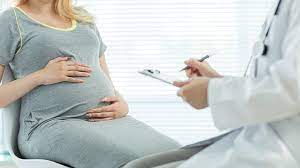
Uterine fibroids are non-cancerous growths that may develop in women during reproductive years. These fibroids can sometimes affect pregnancies depending on their size or location within the uterus!
- The presence of fibroids may lead to various symphoms, such as discomfort from pressure on organs or potential complications like premature labor depending on their position within the uterus!
Women often go on to have healthy babies despite having uterine fibroids while adhering closely back following all relevant advice given!
PLACENTA PREVIA
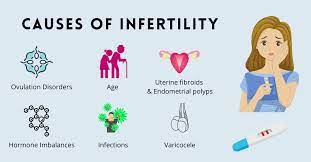
A condition where the placenta partially or wholly covers the cervix is referred to as placenta previa. This situation can lead to significant complications during delivery if not managed properly throughout the pregnancy progression.
- The most common symptom associated with placenta previa includes painless bleeding in the third trimester of pregnancy that requires urgent evaluation by a healthcare provider.
- An ultrasound examination confirms the location of the placenta at different stages of pregnancy for accurate diagnosis.
- Treatment entails activity restriction; in cases where bleeding becomes severe or premature birth threatens maternal or fetal safety, cesarean delivery may be necessary!
Mothers experiencing this should follow their doctor's guidelines closely while remaining vigilant about any new symptoms during their pregnancies!
PREECLAMPSIA
Preeclampsia is a serious complication characterized by high blood pressure and signs of damage to other organ systems during pregnancy. Prompt recognition and management are critical for maternal and fetal well-being.
- The symptoms may include severe headaches, vision changes, nausea, or sudden swelling in hands or face that warrants prompt evaluation.
- This condition usually arises after 20 weeks of gestation; diagnosis involves monitoring blood pressure levels alongside urine tests for protein presence.
- Treatment generally involves close monitoring of both mother and baby; severe cases may necessitate early delivery to prevent complications.
If diagnosed early and monitored carefully, many women can successfully manage preeclampsia leading to healthy delivery outcomes. Regular prenatal check-ups are vital for early identification!
ECTOPIC PREGNANCY
An ectopic pregnancy occurs when a fertilized egg implants outside the uterus, commonly in a fallopian tube. This serious condition cannot sustain a developing fetus and poses dangers for the mother's health.
- Typical symptoms include abdominal pain, vaginal bleeding, or shoulder pain if internal bleeding occurs.
- A healthcare provider will perform an ultrasound and blood tests to confirm an ectopic pregnancy diagnosis.
- Treatment options vary: some women may need medication to stop cell growth, while others may require surgical intervention depending on severity.
- A rapid response is essential; complications can arise if the ectopic tissue ruptures.
If you suspect an ectopic pregnancy or exhibit symptoms, seek immediate medical attention to ensure appropriate care and support.
GESTATIONAL DIABETES
Gestational diabetes occurs when a pregnant woman's body cannot produce enough insulin to manage blood sugar levels effectively. This condition typically resolves after childbirth but requires attention during pregnancy.
- The primary symptoms can be absent; hence screening is vital for early detection.
- Diagnosis involves a glucose tolerance test usually conducted between weeks 24-28 of pregnancy.
- The management of this condition often includes dietary modifications, regular physical activity, and sometimes insulin therapy if lifestyle changes are insufficient.
- Regular monitoring of blood sugar levels is crucial for ensuring both maternal and fetal health throughout the gestation period.
Post-delivery, most women see their blood sugar levels return to normal; however, they should have follow-up screenings as they face an increased risk of type 2 diabetes later in life.
PREGNANCY-INDUCED HYPERTENSION
High blood pressure during pregnancy, known as pregnancy-induced hypertension, can pose significant risks to both the mother and the baby. It is crucial to monitor and manage this condition effectively.
- Symptoms may include headaches, blurred vision, and swelling in the hands or feet.
- This condition is diagnosed through routine blood pressure checks and urine tests performed during prenatal visits.
- Treatment options may involve lifestyle changes, such as a low-sodium diet and regular exercise, along with medications when necessary.
- Close monitoring by healthcare professionals is essential to evaluate the baby's health and make timely interventions if required.
- Most women with pregnancy-induced hypertension can deliver healthy babies with appropriate management.
If you experience any concerning symptoms, contact your healthcare provider promptly for assessment and guidance.