
Dr Sangita Chauh
About Me
Dr Sangita Chauh
MS
Orthopaedic Surgeons
10 Years Experience
Biography
My Clinic
OPD Hours
| Monday | Morning | 10:00 AM | - | 02:00 PM |
| Evening | 06:00 PM | - | 09:00 PM | |
| Tuesday | Morning | 10:00 AM | - | 02:00 PM |
| Evening | 06:00 PM | - | 09:00 PM | |
| Wednesday | Morning | 10:00 AM | - | 02:00 PM |
| Evening | 06:00 PM | - | 09:00 PM | |
| Thursday | Morning | 10:00 AM | - | 02:00 PM |
| Evening | 06:00 PM | - | 09:00 PM | |
| Friday | Morning | 10:00 AM | - | 02:00 PM |
| Evening | 06:00 PM | - | 09:00 PM | |
| Saturday | Morning | 10:00 AM | - | 02:00 PM |
| Evening | 06:00 PM | - | 09:00 PM | |
| Sunday | Morning | 10:00 AM | - | 02:00 PM |
| Evening | 06:00 PM | - | 09:00 PM |
Treatments
Specialised care and treatments offered
ULTRASOUND-GUIDED JOINT INJECTIONS
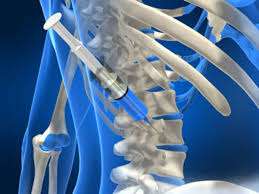
A non-surgical technique that helps manage joint inflammation and pain by delivering medication precisely using ultrasound guidance. It's widely applied in conditions like arthritis affecting various joints.
- Purpose & Benefits: This procedure reduces discomfort from arthritis flare-ups by accurately targeting inflamed areas minimizing systemic side effects.
- Symptoms Indicated: Joint swelling, limited range of motion, stiffness commonly prompt consideration when conservative treatments need support.
- Imaging Support: Real-time ultrasound visualization ensures correct needle placement enhancing efficacy compared with blind injections.
- Treatment Protocol: Typically performed outpatient; steroids or viscosupplements are injected providing symptom relief that may last weeks to months.
Ultrasound-guided injections represent a safe adjunctive treatment improving quality of life for patients with chronic joint complaints without undergoing surgery.
ENDOSCOPIC CARPAL TUNNEL DECOMPRESSION

This surgical option treats carpal tunnel syndrome using an endoscope to minimize incision size while relieving pressure on the median nerve. It offers quicker functional recovery than traditional open methods.
- Main Symptoms Addressed:Numbness, tingling, sleep disturbances due to nerve compression are common indicators prompting this intervention.
- Please Note Diagnostic Steps:Nerve conduction studies verify diagnosis prior to planning surgery under local anesthesia typically required here.
- Surgical Procedure Details: A thin tube equipped with a camera guides precise cutting of the compressive ligament through minimal cuts.
- Post-Surgical Experience: Most patients encounter less pain immediately after surgery allowing early use of their hands combined with rehabilitation exercises.
Considered ideal for those seeking rapid recovery while effectively addressing carpal tunnel symptoms without large scars.
TRIGGER FINGER RELEASE

The trigger finger release procedure addresses stiffness or locking sensations caused by inflammation of tendons controlling finger movement. This condition can interfere with everyday tasks requiring grip strength.
- Causation & Symptoms: Thickening of flexor tendon sheaths causes difficulty in finger extension along with clicking or locking during motion.
- Evolving Diagnosis: Clinical examination identifies characteristic clicking; ultrasound may assist in confirming tendon sheath thickening.
- Treatment Modalities: Surgical release involves cutting the constricting pulley through a small incision allowing smooth tendon gliding thereafter.
- Adequate Recovery Measures: Early mobilization post-surgery prevents stiffness; full finger function typically resumes within a few weeks.
This treatment is highly successful at restoring painless motion when non-surgical options fail to provide relief for trigger finger sufferers.
MINIMALLY INVASIVE SPINE SURGERY

This type of surgery targets spine conditions with reduced tissue disruption compared to traditional open techniques. It aims to relieve pain while preserving spinal stability and function.
- Causative Issues: Indications include herniated discs, spinal stenosis, or degenerative disc disease causing back or leg pain.
- Diagnostic Process: Advanced imaging such as MRI or CT scans help pinpoint affected areas requiring intervention.
- Surgical Technique: Small incisions facilitate insertion of specialized instruments to remove or repair problematic spinal structures.
- Recovery Timeline: Patients experience shorter hospital stays and faster return to daily activities due to less muscle damage during surgery.
The approach balances effective symptom control with minimized risks associated with traditional surgeries for appropriate candidates.
CARPAL TUNNEL RELEASE SURGERY

Carpal tunnel release is a surgical intervention designed to relieve pressure on the median nerve caused by carpal tunnel syndrome. It helps restore hand function and reduce numbness or tingling sensations.
- Symptoms and Causes: Patients often report wrist pain, numbness in fingers, and weakness due to compression of the median nerve in the wrist.
- Diagnosis: Confirmed through clinical evaluation including nerve conduction studies and physical tests such as Phalen’s maneuver.
- Treatment Approach: The surgery involves cutting the transverse carpal ligament through small incisions to enlarge the tunnel space around the nerve.
- Postoperative Care: Recovery includes immobilization followed by gradual hand exercises; most regain significant symptom relief within weeks.
This procedure is effective in alleviating symptoms when conservative treatments have not been sufficient, improving hand strength and sensation over time.
ARTHROSCOPIC KNEE SURGERY

Arthroscopic knee surgery is a minimally invasive procedure used to diagnose and treat problems within the knee joint. It allows for less pain, quicker recovery, and smaller scars compared to traditional open surgery.
- Symptoms and Causes: Common issues addressed include meniscus tears, ligament injuries, cartilage damage, and persistent knee pain or swelling.
- Diagnosis: Diagnosis involves physical examination supplemented by imaging techniques like MRI or X-rays to identify internal knee damage.
- Treatment Options: Through small incisions, an arthroscope and surgical tools are inserted to repair or remove damaged tissues.
- Recovery Expectations: Patients usually experience reduced post-operative discomfort and can begin physical therapy shortly after surgery for optimal outcomes.
This technique offers effective management of many knee conditions with less disruption to surrounding tissues, promoting faster healing and return to normal activities.