
Dr Sangita Sinha
About Me
Dr Sangita Sinha
MBBS
General Physician
10 Years Experience
Biography
My Clinic
OPD Hours
| Monday | Morning | 10:00 AM | - | 02:00 PM |
| Evening | 06:00 PM | - | 09:00 PM | |
| Tuesday | Morning | 10:00 AM | - | 02:00 PM |
| Evening | 06:00 PM | - | 09:00 PM | |
| Wednesday | Morning | 10:00 AM | - | 02:00 PM |
| Evening | 06:00 PM | - | 09:00 PM | |
| Thursday | Morning | 10:00 AM | - | 02:00 PM |
| Evening | 06:00 PM | - | 09:00 PM | |
| Friday | Morning | 10:00 AM | - | 02:00 PM |
| Evening | 06:00 PM | - | 09:00 PM | |
| Saturday | Morning | 10:00 AM | - | 02:00 PM |
| Evening | 06:00 PM | - | 09:00 PM | |
| Sunday | Morning | 10:00 AM | - | 02:00 PM |
| Evening | 06:00 PM | - | 09:00 PM |
Treatments
Specialised care and treatments offered
ANEMIA
Anemia occurs when there aren’t enough healthy red blood cells to carry adequate oxygen to your body’s tissues. This condition can develop progressively or suddenly depending on its underlying cause.
ACUTE GASTROENTERITIS

This condition refers to the sudden onset of inflammation of the stomach and intestines which leads to abdominal pain and diarrhea. It's commonly known as a stomach virus or food poisoning.
- Symptoms: Patients often report watery diarrhea, vomiting, cramps, fever or headache.
- Causes: The most common causes are viral infections but bacteria from contaminated food/water may also contribute.
- Diagnosis: Typically assessed through symptom history; stool sample testing might be requested if bacterial infection suspected.
- Treatment: Rehydration is crucial—oral fluids are often sufficient unless severe cases arise necessitating IV fluids in healthcare settings.
An awareness of hygiene practices aids greatly in preventing acute gastroenteritis outbreaks within communities.
PNEUMONIA

Pneumonia is an infection that inflames the air sacs in one or both lungs. It can vary in severity from mild to life-threatening depending on various factors including age and health conditions.
- Symptoms: Typical signs are cough with phlegm or pus, fever, chills, and difficulty breathing.
- Causes: Pneumonia can be caused by bacteria, viruses or fungi; smoking increases risks significantly.
- Diagnosis: Chest X-rays alongside sputum tests uniquely identify the causative organism involved.
- Treatment: Options generally involve antibiotics for bacterial pneumonia; supportive care may also be necessary.
Early intervention is critical; timely medical attention leads to improved outcomes for pneumonia patients.
ASTHMA
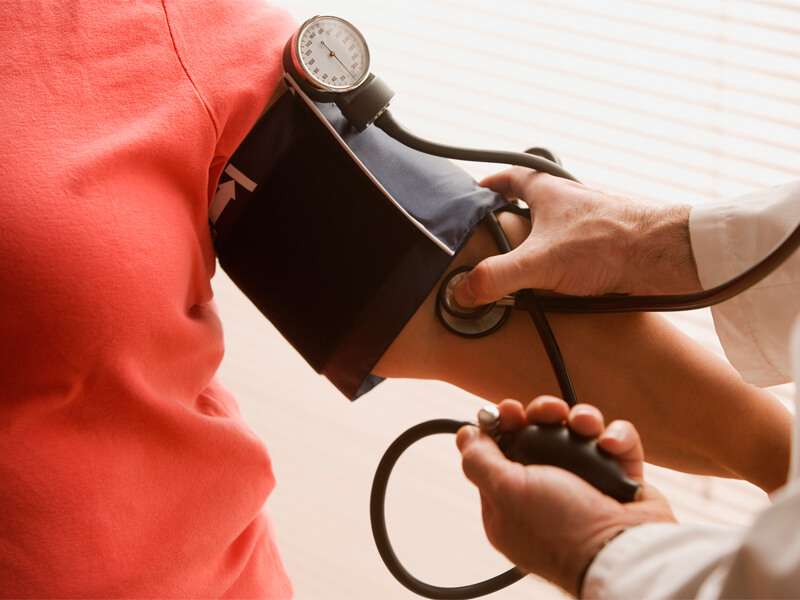
Asthma is a chronic respiratory condition resulting from inflammation of the airways. It affects individuals of all ages and can be triggered by allergens or environmental factors.
- Symptoms: Key indicators include wheezing, coughing (especially at night), shortness of breath, and chest tightness.
- Causes: Common triggers include pollen, dust mites, pet dander, tobacco smoke, and physical activity in cold air.
- Diagnosis: Healthcare providers utilize lung function tests such as spirometry along with patient histories for diagnosis.
- Treatment:The condition can be managed using inhalers that contain bronchodilators or corticosteroids; avoiding triggers is also beneficial.
A personalized asthma action plan ensures that patients have a clear roadmap for managing their symptoms effectively.
DIABETES MELLITUS
Diabetes mellitus is a chronic condition characterized by high blood sugar levels due to ineffective insulin production or function. Early diagnosis and lifelong management are crucial for preventing complications.
- Symptoms: Common signs include frequent urination, excessive thirst, extreme fatigue, and blurred vision.
- Causes: Type 1 diabetes is primarily genetic while Type 2 may be associated with obesity and inactivity.
- Diagnosis: Blood tests measuring glucose levels are essential in diagnosing diabetes.
- Treatment: Options range from dietary management and exercise to oral medications and insulin therapy.
- What to Expect: With proper treatment plans in place, individuals can lead healthy lives; ongoing education about diabetes management remains crucial.
A comprehensive understanding of diabetes empowers individuals in Patna to manage their condition effectively
HYPERTENSION
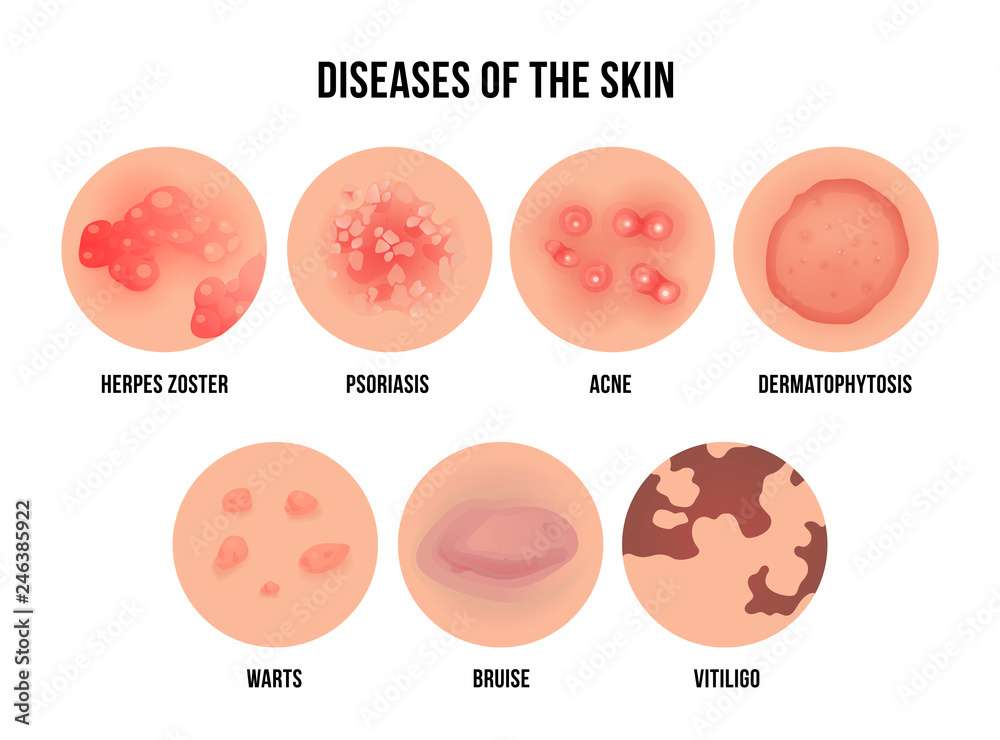
High blood pressure, or hypertension, is a common condition that can lead to serious health issues if left untreated. It often develops over many years and may not present noticeable symptoms initially.
- Symptoms: People with hypertension may experience headaches, shortness of breath, or nosebleeds, but many might remain asymptomatic.
- Causes: Factors contributing to hypertension include genetics, obesity, high salt intake, and sedentary lifestyle.
- Diagnosis: A healthcare provider typically measures blood pressure using a sphygmomanometer during regular check-ups.
- Treatment: Management options include lifestyle changes such as diet and exercise, as well as medications like diuretics and ACE inhibitors.
- What to Expect: Regular monitoring is essential for effective management; working closely with your physician can help you maintain healthy levels.
A proactive approach towards managing hypertension significantly reduces the risk of heart disease and stroke.