
Dr Sanjay Asgekar
About Me
Dr Sanjay Asgekar
General Physician
Biography
My Clinic
OPD Hours
| Tuesday | Morning | 10:00 AM | - | 02:00 PM |
| Evening | 06:00 PM | - | 09:00 PM | |
| Wednesday | Morning | 10:00 AM | - | 02:00 PM |
| Evening | 06:00 PM | - | 09:00 PM | |
| Thursday | Morning | 10:00 AM | - | 02:00 PM |
| Evening | 06:00 PM | - | 09:00 PM | |
| Friday | Morning | 10:00 AM | - | 02:00 PM |
| Evening | 06:00 PM | - | 09:00 PM | |
| Saturday | Morning | 10:00 AM | - | 02:00 PM |
| Evening | 06:00 PM | - | 09:00 PM | |
| Sunday | Morning | 10:00 AM | - | 02:00 PM |
| Evening | 06:00 PM | - | 09:00 PM | |
| Thursday | Morning | 10:00 AM | - | 02:00 PM |
| Evening | 06:00 PM | - | 09:00 PM |
Treatments
Specialised care and treatments offered
ALLERGIC RHINITIS

This allergic reaction occurs when your immune system overreacts to allergens like pollen dust pet dander causing inflammation in nasal passages. Understanding this condition can aid individuals tremendously during allergy seasons.
:- body{font-size:16px;color:#333;}h1,h2,h3,h4,h5,h6{color:#000;}a:hover { color:#F00;} /*more styles*///
PNEUMONIA

Pneumonia refers to an infection that inflames air sacs in one or both lungs. These sacs may fill with fluid or pus causing significant distress if untreated
.- Symptoms: Common signs include cough (often producing phlegm), fever chills fatigue and difficulty breathing.
- Causes: Bacterial viruses fungi are common causative agents; aspiration pneumonia may result from inhaling substances into lungs.
- Diagnosis: A healthcare professional will consider physical exams chest X-rays sputum cultures for accurate diagnosis
- Treatment: Antibiotics antiviral medications supportive care like oxygen therapy form cornerstones strategies depending causative organism severity .
- What to expect: With appropriate treatment recovery typically occurs within weeks but underlying conditions could prolong duration aims at preventing re-infection .
The importance timely evaluation cannot be emphasized enough since untreated pneumonia could lead severe complications thus necessitating prompt action .
BRONCHITIS

This medical condition involves inflammation of the bronchial tubes that carry air to the lungs. It primarily occurs when you have an infection or irritation due to smoking or pollutants.
- Symptoms: Chronic cough with mucus production is typical alongside wheezing and shortness of breath.
- Causes:The primary cause often includes viruses; however environmental triggers may also contribute to its onset.
- Diagnosis:A healthcare provider will assess symptoms along with medical history; imaging tests may assist in ruling out other issues.
- Treatment: Care generally centers around symptom relief through rest, hydration, bronchodilators for breathing difficulties or coughing aids when necessary.
- What to expect: Acute bronchitis usually resolves within weeks while chronic bronchitis requires long-term management strategies.
Early intervention is vital; ongoing care helps prevent exacerbations while improving overall respiratory function.
DIABETES MELLITUS
This chronic condition affects how your body processes glucose (sugar). Insulin resistance or inadequate insulin production leads to elevated sugar levels in the bloodstream.
- Symptoms: Common signs include increased thirst, frequent urination, fatigue, and blurred vision.
- Causes: Risk factors encompass obesity, sedentary lifestyle, family history, and certain ethnicities.
- Diagnosis: Blood tests measuring glucose levels are essential for diagnosing diabetes effectively.
- Treatment: Management includes lifestyle changes like diet modification and physical activity along with medication or insulin therapy when necessary.
- What to expect: With proper management strategies in place, individuals can lead healthy lives while controlling their blood sugar levels.
Understanding diabetes is crucial for its effective management; routine monitoring plays a vital role in long-term health outcomes.
ACUTE GASTROENTERITIS
Acute gastroenteritis, often referred to as stomach flu, involves inflammation of the stomach and intestines. It can result from viral or bacterial infections or consumption of contaminated food or water.
- Symptoms: Key symptoms include diarrhea, vomiting, abdominal pain, and fever.
- Causes: The condition may be caused by infectious agents such as norovirus or rotavirus.
- Diagnosis: Diagnosis is typically made based on medical history and symptoms; laboratory tests might be required in severe cases.
- Treatment: Management focuses on hydration, dietary adjustments, and in some cases, medications to relieve severe symptoms.
- What to expect: Most patients recover without complications within a few days; however, dehydration can occur if fluid loss is significant.
Taking preventive measures through good hygiene can help minimize the risk of gastroenteritis outbreaks.
HYPERTENSION
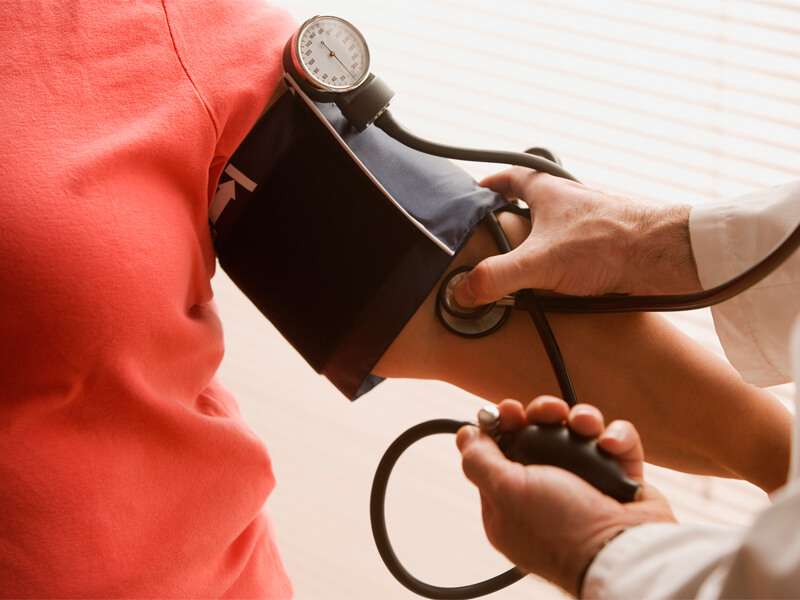
Hypertension, commonly known as high blood pressure, is a condition where the force of the blood against the artery walls is consistently too high. This condition can lead to serious health complications if left unmanaged.
- Symptoms: Often called the 'silent killer', it may not show symptoms until significant damage has occurred.
- Causes: Factors include obesity, lack of physical activity, excessive salt intake, and genetics.
- Diagnosis: Regular monitoring of blood pressure readings during routine check-ups is key for early detection.
- Treatment: Management options vary from lifestyle changes—such as diet and exercise—to medications that help lower blood pressure.
- What to expect: With proper management, patients can maintain healthy blood pressure levels and reduce risks of heart disease and stroke.
Effective control of hypertension can significantly improve quality of life and reduce health risks associated with this condition.