
Dr Sanjay Dubey
About Me
Dr Sanjay Dubey
MBBS
Dietitian
10 Years Experience
Biography
My Clinic
OPD Hours
| Monday | Morning | 10:00 AM | - | 02:00 PM |
| Evening | 06:00 PM | - | 09:00 PM | |
| Tuesday | Morning | 10:00 AM | - | 02:00 PM |
| Evening | 06:00 PM | - | 09:00 PM | |
| Wednesday | Morning | 10:00 AM | - | 02:00 PM |
| Evening | 06:00 PM | - | 09:00 PM | |
| Thursday | Morning | 10:00 AM | - | 02:00 PM |
| Evening | 06:00 PM | - | 09:00 PM | |
| Friday | Morning | 10:00 AM | - | 02:00 PM |
| Evening | 06:00 PM | - | 09:00 PM | |
| Saturday | Morning | 10:00 AM | - | 02:00 PM |
| Evening | 06:00 PM | - | 09:00 PM | |
| Sunday | Morning | 10:00 AM | - | 02:00 PM |
| Evening | 06:00 PM | - | 09:00 PM |
Treatments
Specialised care and treatments offered
NUTRITIONAL COUNSELING FOR ALL AGES

Nutritional counseling provides personalized guidance across various stages of life. From childhood through adulthood into senior years, it approaches health holistically considering unique nutritional requirements at each age group!
- Childhood nutrition lays the foundation for future growth—ensuring proper intake supports physical development!
- Young adults often face challenges managing busy lifestyles; tailored advice assists them in making sensible food choices amidst temptations!
- For seniors focus shifts toward reinforcing bone strength while maintaining energy levels—appropriate nutrients ensure longevity & vitality!
- Regular assessments evaluate evolving needs & adjust plans accordingly—keeping every client on track toward successful outcomes requires continuous engagement!
Ultimately effective counseling promotes lifelong wellness by embracing healthy behaviors conducive for thriving across generations!
CHOLESTEROL MANAGEMENT

Managing cholesterol levels is crucial for heart health. Through targeted diet changes and lifestyle modifications, individuals can effectively lower their cholesterol numbers while boosting good cholesterol (HDL).
- The primary causes include poor diet choices high in saturated fats and trans fats as well as genetic predispositions affecting lipid metabolism.
- You may undergo lipid panel tests which check total cholesterol levels among other indicators like LDL and HDL ratios for proper diagnosis.
- Treatment often emphasizes heart-healthy foods while reducing those high in unhealthy fats like processed snacks and fried items.
- A personalized plan will incorporate physical activity recommendations alongside regular check-ups to monitor progress over time;., A commitment towards healthier eating habits results in improved cholesterol profiles over time!., This holistic approach fosters wellness that extends beyond just numbers!., .., . .,
FOOD INTOLERANCES SUPPORT
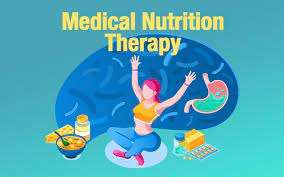
Navigating food intolerances requires an understanding of how certain foods affect your body. Identifying triggers can drastically improve quality of life by alleviating uncomfortable symptoms associated with intolerances.
- Common symptoms include bloating, gas, diarrhea, or skin problems that arise after consuming specific foods or ingredients.
- A detailed history along with elimination diets are key components in diagnosing food intolerances accurately.
- Treatment might involve avoiding identified trigger foods while focusing on alternative options that provide similar nutritional benefits without adverse effects.
- Education regarding label reading and cooking techniques ensures successful adherence to dietary adjustments without compromising nutrition or enjoyment of food.
This careful approach leads to improved well-being as individuals learn how to balance their diets effectively despite intolerance challenges.
HYPERTENSION DIETARY MANAGEMENT
Mild hypertension is often managed effectively with dietary interventions aimed at reducing blood pressure. Specific nutrient recommendations play a pivotal role in keeping hypertension under control.
- Common symptoms include headaches, chest pain, or shortness of breath; however, many may not exhibit symptoms at all.
- A blood pressure test is essential for diagnosis; readings above the normal range indicate possible hypertension.
- Nutritional strategies involve adopting a low-sodium diet rich in fruits, vegetables, whole grains, and lean proteins.
- Regular monitoring of blood pressure levels helps assess treatment effectiveness while maintaining a healthy lifestyle is encouraged throughout the process.
- Persistent adherence to these dietary adjustments can significantly lower blood pressure over time, enhancing overall health outcomes.
Through careful management of dietary choices, individuals can take control of their hypertension effectively.
WEIGHT LOSS PROGRAMS
A structured weight loss program focuses on achieving a healthier body weight through sustainable changes in diet and activity levels. These programs are tailored to individual needs for maximum effectiveness.
- The main causes of excess weight can range from genetics to lifestyle choices and metabolic factors.
- Diagnosis typically involves a comprehensive assessment including BMI calculation and dietary history review.
- Treatment involves personalized meal plans, exercise routines, and behavior modification strategies.
- A supportive environment is crucial for success, alongside regular follow-ups to track progress.
- Participants can anticipate significant improvements in energy levels and overall health as they adhere to the program.
The journey towards weight loss should be gradual and sustainable for long-term success.
DIABETES MANAGEMENT
Living with diabetes requires careful management to maintain a healthy lifestyle. This condition affects how your body uses glucose, leading to potential complications if not properly monitored.
- Symptoms may include increased thirst, frequent urination, and fatigue.
- Diagnosis often involves blood tests that measure glucose levels in the body.
- Treatment usually encompasses dietary modifications, regular exercise, and medication as necessary.
- Managing diabetes is about monitoring blood sugar levels and recognizing the importance of balanced meals.
- Patients can expect ongoing education and support to help them effectively manage their condition.
With proper guidance and discipline, individuals with diabetes can lead healthy and fulfilling lives.