
Dr Sanjay Godbole
About Me
Dr Sanjay Godbole
Internal Medicine
Biography
My Clinic
OPD Hours
| Tuesday | Morning | 10:00 AM | - | 02:00 PM |
| Evening | 06:00 PM | - | 09:00 PM | |
| Wednesday | Morning | 10:00 AM | - | 02:00 PM |
| Evening | 06:00 PM | - | 09:00 PM | |
| Thursday | Morning | 10:00 AM | - | 02:00 PM |
| Evening | 06:00 PM | - | 09:00 PM | |
| Friday | Morning | 10:00 AM | - | 02:00 PM |
| Evening | 06:00 PM | - | 09:00 PM | |
| Saturday | Morning | 10:00 AM | - | 02:00 PM |
| Evening | 06:00 PM | - | 09:00 PM | |
| Sunday | Morning | 10:00 AM | - | 02:00 PM |
| Evening | 06:00 PM | - | 09:00 PM | |
| Thursday | Morning | 10:00 AM | - | 02:00 PM |
| Evening | 06:00 PM | - | 09:00 PM |
Treatments
Specialised care and treatments offered
HYPERLIPIDEMIA
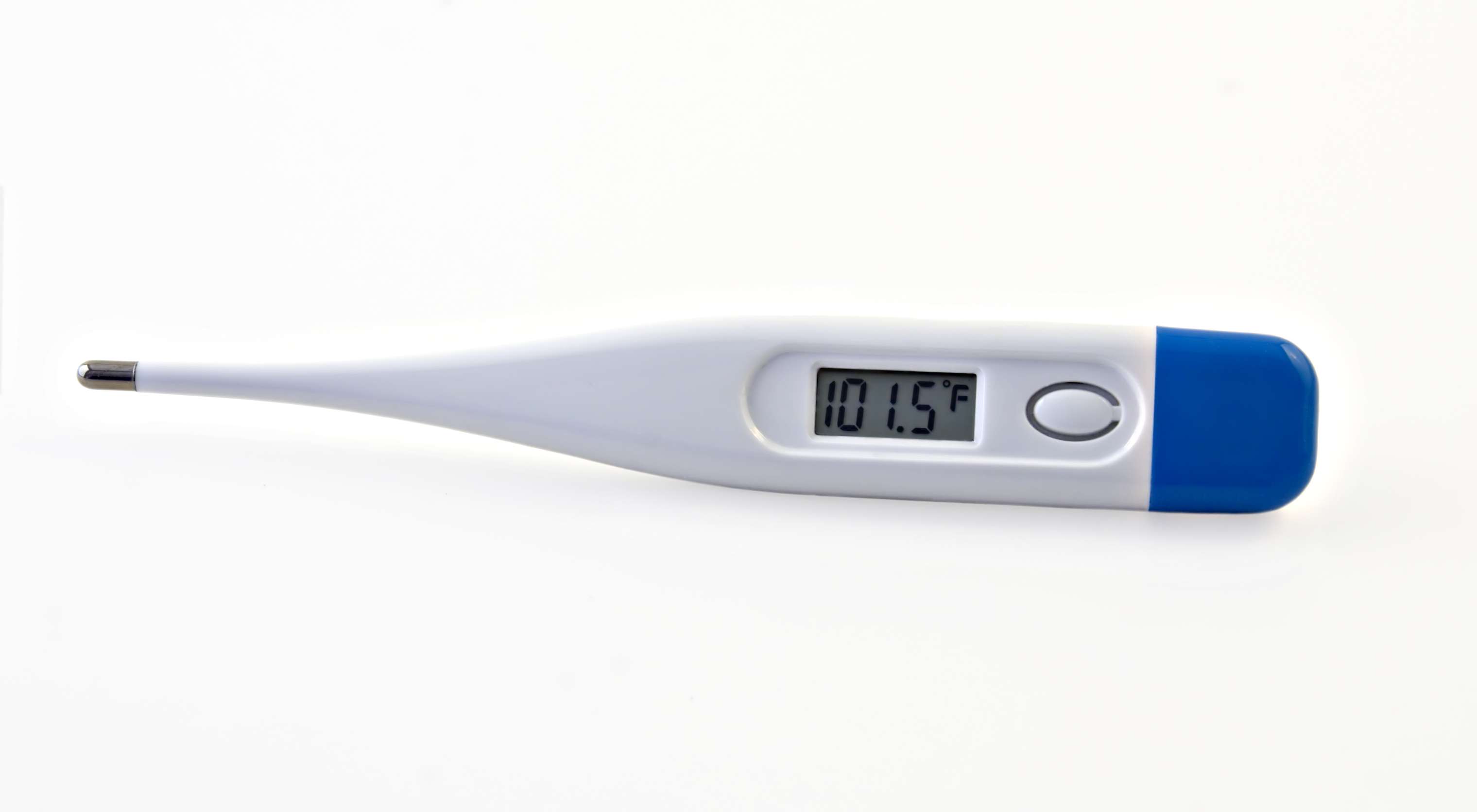
This condition pertains to elevated lipid levels in the bloodstream. High cholesterol particularly increases the risk for cardiovascular diseases including stroke and heart attack over time if not properly managed.
.- introduction:
//tyu5468788225
cluster[]={...}
hotlink_view sbs ssb sbs=CSV {maxVar} >
headingApp} // tagging major app functions - 4+ levels
}">
} .;
})(); --processing image URL for {} records&};"> for App-project" +
dragging App-based commands.">{ "id":"8854871789988", "trackingId":"project572317","appCommandType":0,"appCommandActiveVersion":2,"serviceType":3,"relatedAppIds":[14]}; }">,
HEART FAILURE
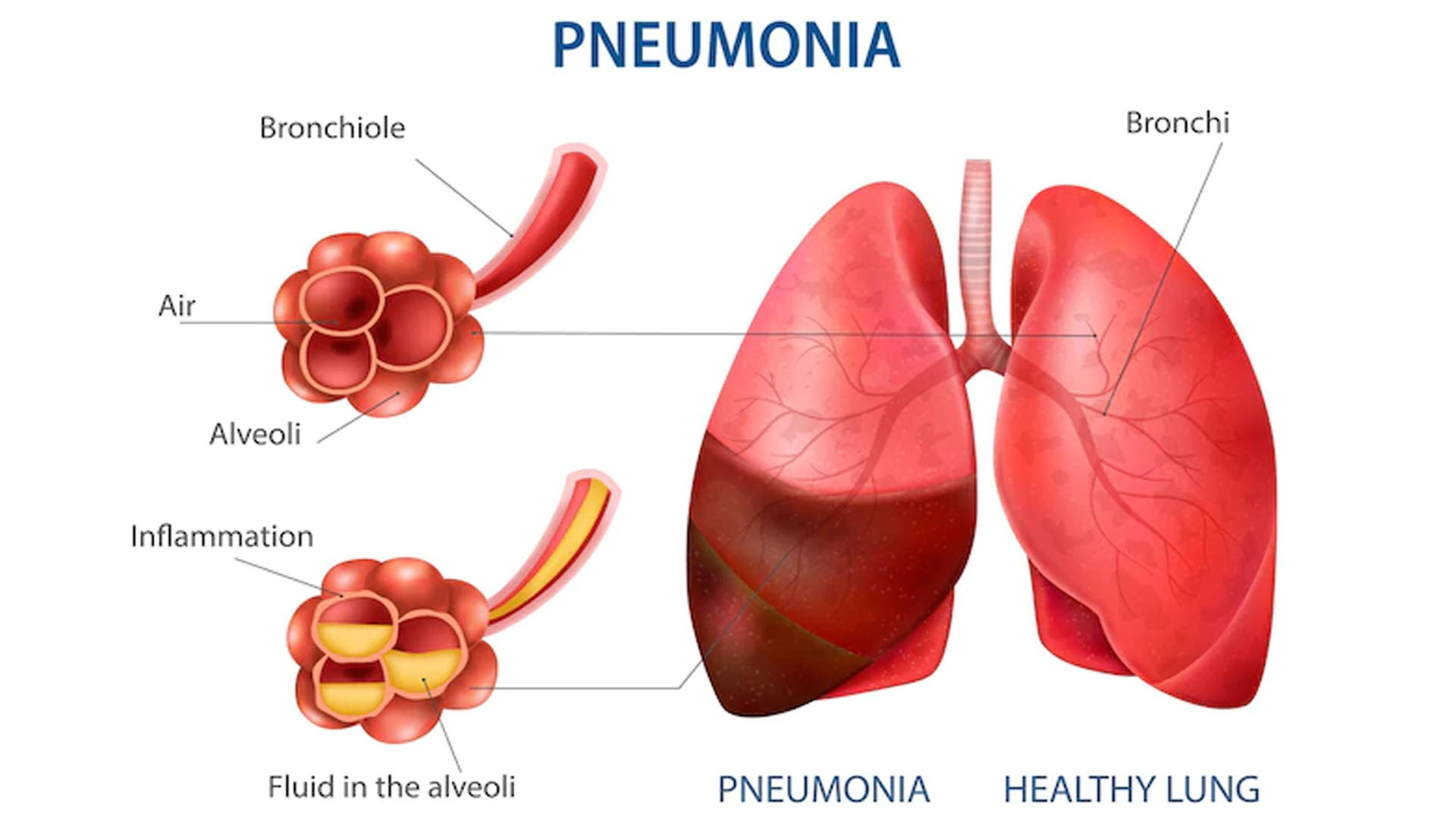
This serious condition occurs when the heart cannot pump sufficient blood to meet the body’s needs. Heart failure is often a result of other cardiovascular diseases but can also occur from high blood pressure or previous heart attacks.
- Symptoms: Patients may experience fatigue, shortness of breath during exertion or while lying down, swollen legs or abdomen due to fluid retention.
- Causes: Common causes include coronary artery disease, hypertension, diabetes mellitus and certain arrhythmias affecting the heart's efficiency.
- Please note that management revolves around medication adherence such as ACE inhibitors or beta-blockers combined with lifestyle changes including reduced salt intake and exercise regimens amidst regular follow-up appointments.
CHRONIC OBSTRUCTIVE PULMONARY DISEASE (COPD)
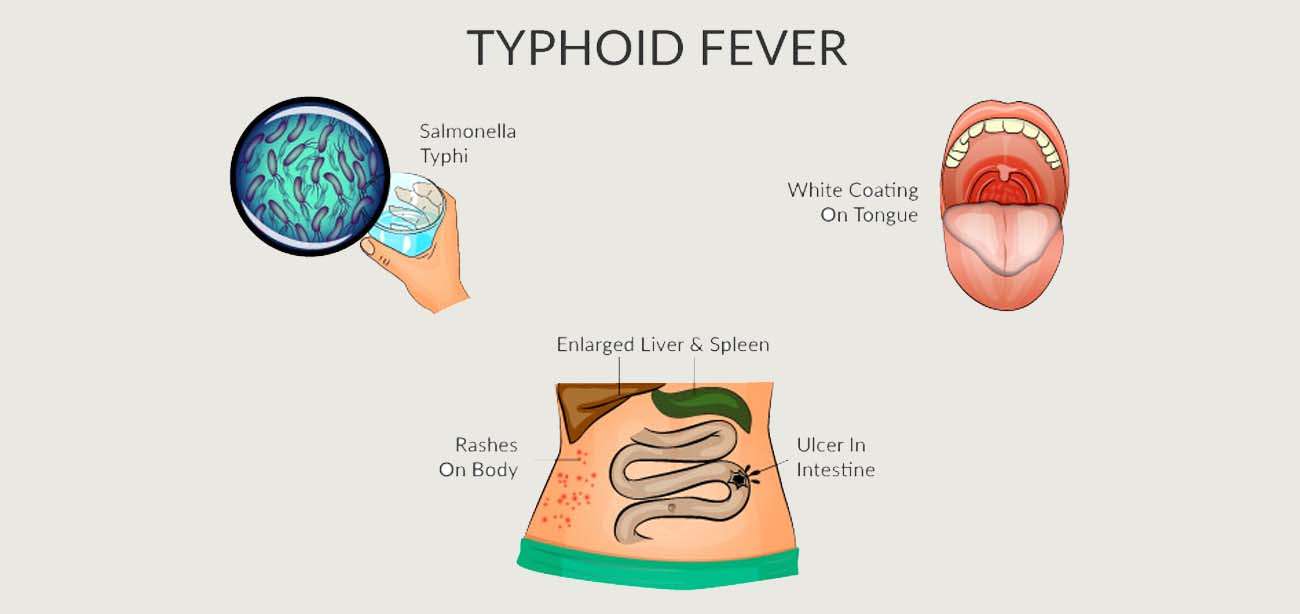
COPD is a progressive lung disease that makes it difficult to breathe due to blocked airflow. It primarily occurs due to long-term exposure to irritating gases or particulate matter.
- Symptoms: Key symptoms include chronic cough, wheezing, shortness of breath during activities, and production of phlegm.
- Causes: The leading cause is smoking; however, long-term exposure to air pollution or occupational dust can also contribute.
- Diagnosis: Lung function tests known as spirometry measure how well your lungs are working; chest imaging may also be utilized.
- Treatment options: Treatment involves quitting smoking if applicable, inhaled medications like bronchodilators or steroids, and pulmonary rehabilitation programs.
A proactive approach and regular medical check-ups can significantly enhance quality of life for those affected by COPD.
DIABETES MELLITUS
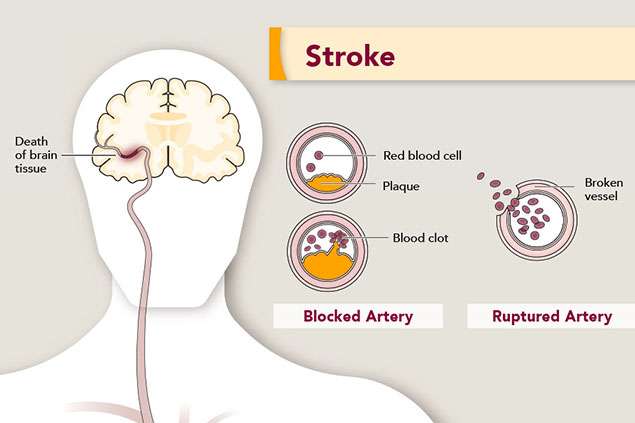
This chronic condition affects how your body converts food into energy. In diabetes mellitus, either the pancreas does not produce enough insulin or the body's cells do not respond effectively to insulin.
- Symptoms: Common signs include increased thirst, frequent urination, extreme fatigue, and blurred vision.
- Causes: Genetics play a role along with lifestyle factors such as poor diet and lack of physical activity.
- Diagnosis: Blood tests that measure glucose levels confirm diabetes; fasting glucose tests or HbA1c levels are commonly used.
- Treatment options: Management includes dietary changes, physical activity recommendations, oral medications, or insulin therapy depending on severity.
A comprehensive treatment plan can help maintain healthy blood sugar levels and minimize complications associated with diabetes.
HYPERTENSION
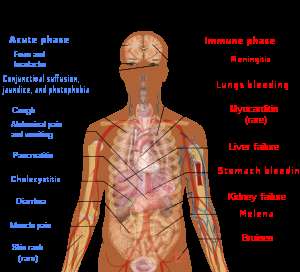
Hypertension, often referred to as high blood pressure, is a common condition that can lead to serious health issues if left untreated. It occurs when the force of blood against your artery walls is too high, which can damage your heart and other organs over time.
- Symptoms: Many individuals may not experience noticeable symptoms; however, some may report headaches, dizziness, or nosebleeds.
- Causes: Factors include genetics, sedentary lifestyle, obesity, excessive salt intake, and chronic kidney disease.
- Diagnosis: Blood pressure is measured using a sphygmomanometer; elevated readings over several visits typically confirm hypertension.
- Treatment options: Lifestyle changes like diet and exercise are recommended alongside medication such as diuretics or ACE inhibitors.
- Management: Regular monitoring and follow-ups are essential to control blood pressure effectively.
Managing hypertension requires ongoing care and lifestyle adjustments to avoid complications such as heart attacks or strokes.