
Dr Sanjay Kanodi
About Me
Dr Sanjay Kanodi
MD
Dermatologist
10 Years Experience
Biography
My Clinic
OPD Hours
| Monday | Morning | 10:00 AM | - | 02:00 PM |
| Evening | 06:00 PM | - | 09:00 PM | |
| Tuesday | Morning | 10:00 AM | - | 02:00 PM |
| Evening | 06:00 PM | - | 09:00 PM | |
| Wednesday | Morning | 10:00 AM | - | 02:00 PM |
| Evening | 06:00 PM | - | 09:00 PM | |
| Thursday | Morning | 10:00 AM | - | 02:00 PM |
| Evening | 06:00 PM | - | 09:00 PM | |
| Friday | Morning | 10:00 AM | - | 02:00 PM |
| Evening | 06:00 PM | - | 09:00 PM | |
| Saturday | Morning | 10:00 AM | - | 02:00 PM |
| Evening | 06:00 PM | - | 09:00 PM | |
| Sunday | Morning | 10:00 AM | - | 02:00 PM |
| Evening | 06:00 PM | - | 09:00 PM |
Treatments
Specialised care and treatments offered
WARTS
Warts are benign growths caused by human papillomavirus (HPV) infection affecting different parts of the body. They appear commonly on hands but may develop anywhere including feet (plantar warts) due to their contagious nature via direct contact with affected surfaces?
- Symptoms typically consist of raised bumps which could be rough/textured depending upon type located predominantly at site previously injured/infected?
- Diagnosis involves simple inspection by a qualified healthcare professional who assesses characteristics indicative within several categories according similar appearances/web appearances?
- Various treatments exist ranging from topical applications targeting viral elimination/cauterization methods utilizing freezing agents applied within clinical settings/office visits depending upon approach decided upon after patient discussion?
- Home remedies also exist although expert guidance would validate effectiveness/safety ensuring adherence towards outcome desired without complication risk being involved during application periods showing consistency yielded towards lasting resolution achieved!
Consulting promptly enables timely addressing thus enhancing successful clearing processes ultimately desired overall satisfaction related feelings arising effectively surrounding healing?
SKIN CANCER SCREENING
Skin cancer screening is a vital process designed to detect precancerous spots or early-stage malignancies before they progress. This procedure is crucial because early detection greatly increases treatment success rates for various types of skin cancer including melanoma.
- The signs prompting evaluation may include new growths or any changes in existing moles including asymmetry, color variation, irregular borders?
- A thorough examination by a dermatologist includes analyzing all skin surfaces to identify any suspicious lesions that could warrant further testing?
- If necessary? A biopsy might be conducted where small tissue samples are removed for laboratory analysis?
- The management plan will depend on results: benign findings may just require regular monitoring while positive tests necessitate further intervention such as surgical removal?
Routine screenings offer peace of mind approach alongside significant potential benefits for maintaining overall health?
MELASMA
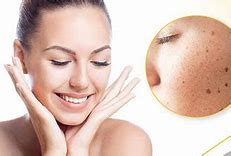
Melasma is a common pigmentation disorder presenting as brown or grayish-brown patches on sun-exposed areas of the face. Although it primarily affects women, men can also develop melasma under certain circumstances such as sun exposure or hormonal changes.
- The most frequent locations are the cheeks, forehead, nose, and chin. Factors contributing to melasma include sun exposure, pregnancy hormones (often referred to as the "mask of pregnancy"), and oral contraceptives.
- A dermatologist diagnoses melasma through visual examination of the skin lesions while considering personal medical history related to hormonal influences.
- Treatment options include topical lightening agents like hydroquinone or azelaic acid, chemical peels, laser therapy, or strict sun protection methods to prevent worsening pigmentation issues.
- Regular follow-up consultations help in adjusting treatment strategies based on response levels observed over time.
Reliable protection from sun exposure remains crucial for preventing recurrence after successful treatment efforts have been made.
PSORIASIS
Psoriasis is an autoimmune disease that manifests as red, flaky patches on the skin. It can occur at any age and varies in severity from mild patches to extensive involvement covering larger areas of the body.
- The hallmark symptoms include thickened skin with silvery scales, itching, and sometimes joint pain (psoriatic arthritis).
- A dermatologist diagnoses psoriasis through clinical assessment of the affected areas along with patient history regarding symptoms and family background.
- Treatment options include topical treatments like corticosteroids and vitamin D analogs; phototherapy; and systemic therapies for more severe cases involving oral medications or biologics.
- Lifestyle modifications including stress management techniques may also provide relief from symptoms.
- Patients should work closely with their healthcare provider to formulate an individualized treatment plan aimed at minimizing flare-ups.
Effective management can lead to improved quality of life for many individuals living with this condition.
ECZEMA
Eczema, also known as atopic dermatitis, is a chronic inflammatory skin condition characterized by dry, itchy patches. It often begins in childhood but can persist into adulthood or even start later in life.
- This condition presents as red, inflamed areas that may ooze or crust over during flare-ups.
- A dermatologist typically performs a physical examination to establish the diagnosis based on these symptoms and patient history.
- Treatment usually involves moisturizers to maintain skin hydration and topical steroids to reduce inflammation during flare-ups.
- Identifying and avoiding triggers—such as certain foods or environmental factors—can help manage symptoms effectively.
- With appropriate care, individuals can experience significant relief and reduced frequency of flare-ups over time.
Ongoing management strategies are essential for maintaining skin health and comfort.
ACNE
Acne is a common skin condition that affects people of various ages, particularly adolescents and young adults. It occurs when hair follicles become clogged with oil and dead skin cells, leading to inflammation.
- Symptoms include pimples, blackheads, cysts, and scarring.
- The condition can be diagnosed through a physical examination by a dermatologist.
- Treatment options range from topical products containing benzoyl peroxide or salicylic acid to systemic medications like antibiotics or isotretinoin for severe cases.
- Management strategies may involve lifestyle changes such as diet adjustments and proper skincare routines.
- Patients can expect gradual improvement in skin appearance, but consistency in treatment is vital for long-term success.
Seeking early treatment can minimize the impact of acne on both physical health and self-esteem.