
Dr Sanjay Kumar
About Me
Dr Sanjay Kumar
MBBS
General Physician
10 Years Experience
Biography
My Clinic
OPD Hours
| Monday | Morning | 10:00 AM | - | 02:00 PM |
| Evening | 06:00 PM | - | 09:00 PM | |
| Tuesday | Morning | 10:00 AM | - | 02:00 PM |
| Evening | 06:00 PM | - | 09:00 PM | |
| Wednesday | Morning | 10:00 AM | - | 02:00 PM |
| Evening | 06:00 PM | - | 09:00 PM | |
| Thursday | Morning | 10:00 AM | - | 02:00 PM |
| Evening | 06:00 PM | - | 09:00 PM | |
| Friday | Morning | 10:00 AM | - | 02:00 PM |
| Evening | 06:00 PM | - | 09:00 PM | |
| Saturday | Morning | 10:00 AM | - | 02:00 PM |
| Evening | 06:00 PM | - | 09:00 PM | |
| Sunday | Morning | 10:00 AM | - | 02:00 PM |
| Evening | 06:00 PM | - | 09:00 PM |
Treatments
Specialised care and treatments offered
GASTROINTESTINAL EVALUATION
The gastrointestinal (GI) tract comprises various organs responsible for digestion. An evaluation might be needed when patients present symptoms related to abdominal pain or irregular bowel habits.
THYROID FUNCTION TESTS

The thyroid gland influences numerous bodily functions through hormone secretion. Abnormal thyroid function can lead to various health issues that necessitate evaluation through specific tests.
- Symptoms indicating thyroid issues may include unexplained weight changes, mood fluctuations, energy level variations, or changes in skin/hair quality.
- Differential diagnosis involves testing TSH (Thyroid Stimulating Hormone) levels alongside T3 and T4 hormone measurements to understand gland functionality effectively.
- Treatment could entail medication for hypo- or hyperthyroidism based on the underlying cause determined from test results; regular monitoring remains essential during this process.
RESPIRATORY INFECTION ASSESSMENT

Respiratory infections can range from mild colds to serious illnesses like pneumonia. Prompt assessment can aid in efficient management and recovery strategies for patients experiencing respiratory symptoms.
LIPID PROFILE TESTING
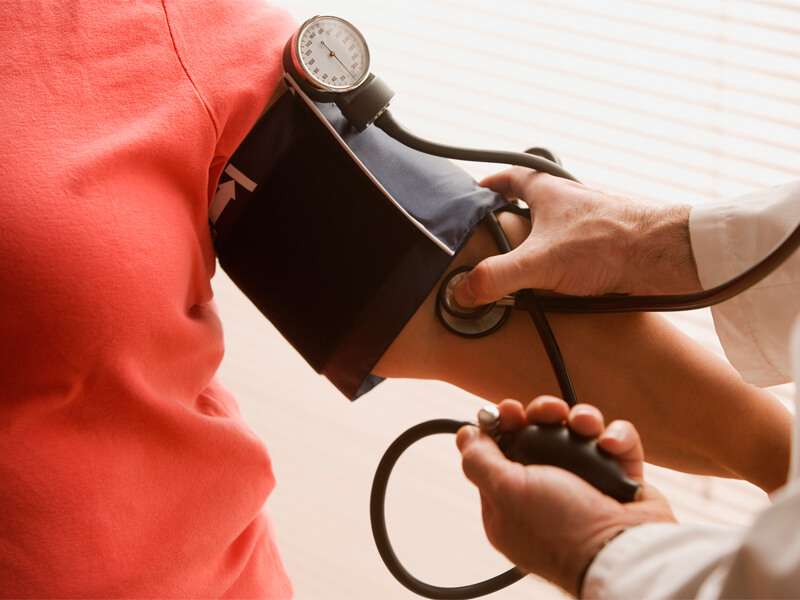
A lipid profile test measures cholesterol levels in the bloodstream, which are crucial indicators of heart health. Understanding these levels helps in assessing cardiovascular risk factors.
- The primary concern revolves around high levels of low-density lipoprotein (LDL) cholesterol which can lead to heart disease.
- This test is performed by drawing blood after an overnight fast to ensure accuracy in results.
- Treatment may involve dietary modifications aimed at lowering cholesterol intake along with medications like statins if necessary.
- A patient’s results will dictate how frequently they need testing; it can vary from every few months to annually depending on risk factors.
An effective approach helps maintain healthy lipid levels and protects heart health over time.
DIABETES SCREENING

Diabetes is a metabolic disorder characterized by elevated glucose levels in the blood. Regular screening is fundamental for early detection and better management of the disease.
- Common symptoms include increased thirst, frequent urination, fatigue, and blurred vision.
- This condition is diagnosed through blood tests such as fasting glucose levels or an A1C test to assess long-term sugar control.
- The management plan may involve lifestyle changes like improved diet and physical activity along with insulin or medications as needed.
- Patients should anticipate follow-up appointments for ongoing assessment and potential adjustments to their treatment regimen.
Early intervention can significantly improve quality of life and reduce complications associated with diabetes.
HYPERTENSION MANAGEMENT

Hypertension, or high blood pressure, is a common condition that often goes unnoticed until serious complications arise. It is crucial to monitor and manage your blood pressure to prevent cardiovascular diseases.
- Symptoms may include headaches, shortness of breath, or nosebleeds, though many people experience no symptoms.
- Diagnosis typically involves a simple blood pressure measurement taken during routine check-ups.
- Treatment often includes lifestyle modifications such as a balanced diet and regular exercise, alongside medications when necessary.
- Patients can expect ongoing monitoring and adjustments in treatment plans based on response to therapy.
- Long-term management is essential for reducing risks of heart attack and stroke.
Consulting with a healthcare provider helps tailor the best approach for individual needs and ensures effective control of hypertension.