
Dr Sanjay Kumar S
About Me
Dr Sanjay Kumar S
MBBS
Pediatrics
Biography
My Clinic
OPD Hours
| Monday | Morning | 10:00 AM | - | 02:00 PM |
| Evening | 06:00 PM | - | 09:00 PM | |
| Tuesday | Morning | 10:00 AM | - | 02:00 PM |
| Evening | 06:00 PM | - | 09:00 PM | |
| Wednesday | Morning | 10:00 AM | - | 02:00 PM |
| Evening | 06:00 PM | - | 09:00 PM | |
| Thursday | Morning | 10:00 AM | - | 02:00 PM |
| Evening | 06:00 PM | - | 09:00 PM | |
| Friday | Morning | 10:00 AM | - | 02:00 PM |
| Evening | 06:00 PM | - | 09:00 PM | |
| Saturday | Morning | 10:00 AM | - | 02:00 PM |
| Evening | 06:00 PM | - | 09:00 PM | |
| Sunday | Morning | 10:00 AM | - | 02:00 PM |
| Evening | 06:00 PM | - | 09:00 PM |
Treatments
Specialised care and treatments offered
OBESITY PREVENTION
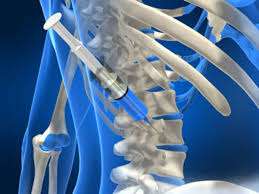
Pediatric obesity prevention focuses on maintaining a healthy weight to avoid chronic conditions later in life. With increasing rates of childhood obesity globally, it becomes crucial for parents and caregivers alike!
- Symptoms: Observe your child’s weight compared to their peers – being above normal range raises concern over time leading also increased risk factors related!
- Diagnosis:The Body Mass Index (BMI) tool gives insight into categorizing healthy ranges versus overweight classifications as well through regular checkups conducted periodically!
- Management strategies :You’ll note lifestyle changes like healthier eating habits combined alongside physical activity recommendations will ideally combat rising trends effectively amongst kids today!
Sustained efforts yield fruitful outcomes fostering longevity throughout childhood transitioning towards adulthood naturally balancing health behaviors positively!
ANEMIA SCREENING

Anemia screening plays a critical role in assessing children's overall nutritional status. Inadequate iron intake affects energy levels and cognitive function among young individuals.
- Symptoms: Common indicators include fatigue, pallor, weakness, and irritability that parents should monitor closely.
- Diagnosis : A complete blood count (CBC) test checks hemoglobin levels; low levels confirm anemia which needs attention immediately.
- Treatment/Management options : Iron supplements or dietary adjustments including iron-rich foods such as leafy greens may be suggested based on severity.
- What to expect : Regular follow-up appointments will help track progress over time toward restoring normal hemoglobin levels ensuring optimal growth without complications!
This approach significantly aids in avoiding potential long-term impacts related !to untreated anemia among growing children!
VISION SCREENING

A vision screening is a vital component of pediatric care aimed at detecting visual impairments early. Children often do not recognize vision problems until they affect learning or play activities.
- Symptoms: Signs may include difficulty focusing on objects far away or squinting frequently when viewing screens or books.
- Diagnosis: Vision screenings typically involve various tests assessing visual acuity and eye alignment during routine visits to the doctor’s office.
- Treatment options: Depending on findings, corrective lenses or referrals to an ophthalmologist might be recommended if issues are detected.
Catching vision problems early can significantly improve a child’s quality of life and educational performance by providing appropriate interventions when needed.
LEAD POISONING SCREENING

Lead poisoning screening is vital in pediatrics as exposure can lead to significant health problems. Children are particularly vulnerable due to their developing nervous systems.
- Symptoms: Symptoms of lead poisoning may include irritability, abdominal pain, and developmental delays.
- Diagnosis: A simple blood test measures lead levels; elevated results indicate potential toxicity that requires further evaluation.
- Treatment options: If lead poisoning is confirmed, treatment may involve chelation therapy to remove lead from the body or nutritional interventions.
- Management strategies: Identifying sources of lead exposure at home is critical in preventing further harm.
This proactive approach helps safeguard children’s health from long-term effects of lead exposure while promoting safe living environments.
GROWTH MONITORING

Regular growth monitoring in children is essential for assessing their development and overall health. By tracking height, weight, and head circumference, healthcare providers can identify any potential growth issues early on.
- Symptoms: Parents might notice slower than expected growth patterns or other signs indicating potential health concerns.
- Diagnosis: Growth parameters are compared against established growth charts tailored for age and gender during routine check-ups.
- Treatment/Management options: If issues arise, referrals for nutritional counseling or further medical evaluation may be necessary.
- What to expect: Regular visits allow for the assessment of growth trends and timely interventions when necessary.
Maintaining consistent growth assessments helps ensure that children meet their developmental milestones effectively.
VACCINATIONS

Immunization is a crucial part of pediatric healthcare, helping to protect children from various infectious diseases. Vaccines work by stimulating the immune system to recognize and combat pathogens without causing the disease itself.
- Symptoms: Generally, there are no symptoms associated with vaccinations; however, mild side effects like swelling or fever may occur.
- Diagnosis: No diagnostic procedures are needed for vaccination but maintaining an updated immunization record is essential.
- Treatment options: Vaccines are administered according to a schedule recommended by health authorities, starting from birth through adolescence.
- Management: Adherence to vaccination schedules ensures optimal immunity against serious diseases such as measles, mumps, and rubella.
- What to expect: Post-vaccination, parents should monitor for any abnormal reactions and consult a healthcare provider if concerned.
Overall, timely vaccinations are key to ensuring your child grows up healthy and protected against infectious diseases.