
Dr Sanjay Rastogi
About Me
Dr Sanjay Rastogi
MS
Orthopaedic Surgeons
10 Years Experience
Biography
My Clinic
OPD Hours
| Monday | Morning | 10:00 AM | - | 02:00 PM |
| Evening | 06:00 PM | - | 09:00 PM | |
| Tuesday | Morning | 10:00 AM | - | 02:00 PM |
| Evening | 06:00 PM | - | 09:00 PM | |
| Wednesday | Morning | 10:00 AM | - | 02:00 PM |
| Evening | 06:00 PM | - | 09:00 PM | |
| Thursday | Morning | 10:00 AM | - | 02:00 PM |
| Evening | 06:00 PM | - | 09:00 PM | |
| Friday | Morning | 10:00 AM | - | 02:00 PM |
| Evening | 06:00 PM | - | 09:00 PM | |
| Saturday | Morning | 10:00 AM | - | 02:00 PM |
| Evening | 06:00 PM | - | 09:00 PM | |
| Sunday | Morning | 10:00 AM | - | 02:00 PM |
| Evening | 06:00 PM | - | 09:00 PM |
Treatments
Specialised care and treatments offered
OSTEOPOROSIS MANAGEMENT
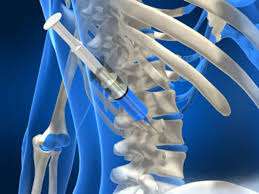
The management of osteoporosis focuses on preventing fractures by improving bone density through lifestyle changes and medications. Understanding this condition is vital due to its asymptomatic nature until serious complications arise from weakened bones due to age-related factors or certain medical conditions!
- Mainly affecting older populations presenting with risk factors such as family history & prolonged corticosteroid use along with dietary inadequacies leading towards low calcium intake levels further exacerbates these possibilities over time without intervention measures taken early on!
- A comprehensive evaluation involving bone density scans contributes significantly towards confirming diagnoses & tailoring personalized care directed against identified deficiencies responsible behind overall health declines observed amongst affected individuals commonly seen nowadays!
- Treatment strategies typically encompass dietary adjustments along continuous weight-bearing exercises accompanied alongside pharmacological support if necessary based upon severity levels noted during evaluations carried out periodically covering routine check-up intervals advised accordingly based upon physician recommendations presented regularly!
Proactive approaches regarding these aspects related towards osteoporosis ensure better management outcomes along preserving independence & reducing fracture risks long-term essential aspects contributing overall well-being efficiently maintained healthy living patterns observed year round positively impacting quality-of-life enjoyed continuously thereafter!
MINIMALLY INVASIVE SPINE SURGERY
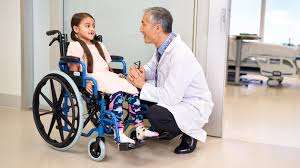
This advanced surgical option utilizes smaller incisions compared to traditional spine surgery, aimed at relieving back pain while promoting quicker recovery times. It is designed for individuals suffering from herniated discs, spinal stenosis, or similar conditions affecting spinal health.
- Painful symptoms such as sciatica, persistent back discomfort, tingling sensations might indicate suitability for this surgery process.
- An extensive diagnostic workup including physical assessments and MRIs ensures accurate identification of spinal issues needing intervention before surgery planning begins.
- Surgery may involve discectomy or laminectomy performed through tiny incisions utilizing endoscopic techniques that mitigate muscle disruption during procedures.
- Postoperative care enables patients to return home sooner while experiencing substantial relief from their problematic symptoms afterwards; full recovery times can vary based on individual cases treated but are generally shorter than traditional methods now available today!
This approach represents a favorable option enabling rapid return to daily routines without sacrificing treatment efficacy!
CARTILAGE RESTORATION TECHNIQUES

Cartilage restoration techniques are crucial for addressing cartilage damage that causes pain and impairs mobility. These methods aim to repair or regenerate damaged cartilage using innovative approaches tailored to individual needs.
- Main indications include osteoarthritis, traumatic injuries, or degeneration affecting joints like knees and ankles.
- A comprehensive assessment including physical exams and imaging practices helps confirm cartilage issues before proceeding with surgery.
- Treatment options vary from microfracture procedures to autologous chondrocyte implantation (ACI), depending on the extent of damage assessed during diagnosis.
- Pain relief and functional improvement can often be achieved with these advanced techniques after proper rehabilitation time post-surgery.
These treatments offer hope for those looking to maintain active lifestyles despite cartilage-related challenges.
JOINT INJECTIONS

Joint injections are a popular method for treating inflammation and pain associated with various joint disorders. They can provide significant relief by delivering medication directly into the affected joint space.
- The most common symptoms that lead to injections include persistent pain, swelling, or stiffness in joints like knees or shoulders.
- Differential diagnosis through clinical evaluation aids in determining injection appropriateness which may be guided by imaging studies such as ultrasounds or X-rays.
- Treatment usually involves corticosteroids or hyaluronic acid injected into the joint to reduce inflammation and improve function.
- Most patients report rapid relief of symptoms within a few days after receiving an injection.
This procedure can effectively restore quality of life while minimizing downtime for patients suffering from chronic conditions.
PLATELET-RICH PLASMA (PRP) THERAPY

PRP Therapy is an innovative treatment that harnesses the body's healing properties by utilizing components derived from the patient’s own blood. This therapy promotes tissue repair and relieves pain in various musculoskeletal conditions.
- This treatment is often indicated for chronic tendon injuries, arthritis, or muscle strains.
- A thorough examination along with imaging studies assists in identifying suitable candidates for this therapy.
- The management involves drawing blood, processing it to concentrate platelets, and injecting it into the injured area.
- Patients typically see gradual improvements in their symptoms as healing progresses over weeks following treatment.
PRP Therapy offers a natural alternative with low risks, making it appealing for many seeking non-surgical options.
ARTHROSCOPY

Arthroscopy is a minimally invasive surgical procedure used to diagnose and treat joint problems. It involves using small incisions and a camera to visualize the internal structures of joints, often allowing for quicker recovery than traditional open surgeries.
- Symptoms may include joint pain, swelling, and limited flexibility.
- The diagnosis generally includes physical examinations, imaging tests like MRI, and ultimately an arthroscopic procedure to confirm findings.
- Treatment options could involve removal of damaged tissue, repairing tears, or smoothing rough surfaces within the joint.
- Patients can expect to experience reduced pain and improved mobility after recovery.
The benefits of this technique include lower infection risk and faster rehabilitation when compared to conventional surgery.