
Dr Sanjay S Shah
About Me
Dr Sanjay S Shah
Internal Medicine
Biography
My Clinic
OPD Hours
| Tuesday | Morning | 10:00 AM | - | 02:00 PM |
| Evening | 06:00 PM | - | 09:00 PM | |
| Wednesday | Morning | 10:00 AM | - | 02:00 PM |
| Evening | 06:00 PM | - | 09:00 PM | |
| Thursday | Morning | 10:00 AM | - | 02:00 PM |
| Evening | 06:00 PM | - | 09:00 PM | |
| Friday | Morning | 10:00 AM | - | 02:00 PM |
| Evening | 06:00 PM | - | 09:00 PM | |
| Saturday | Morning | 10:00 AM | - | 02:00 PM |
| Evening | 06:00 PM | - | 09:00 PM | |
| Sunday | Morning | 10:00 AM | - | 02:00 PM |
| Evening | 06:00 PM | - | 09:00 PM | |
| Thursday | Morning | 10:00 AM | - | 02:00 PM |
| Evening | 06:00 PM | - | 09:00 PM |
Treatments
Specialised care and treatments offered
OBESITY MANAGEMENT
Obesity is defined as an excess amount of body fat that increases the risk for numerous chronic conditions including type 2 diabetes & cardiovascular diseases. Comprehensive management approaches yield favorable benefits!
- The most prominent sign is an elevated Body Mass Index (BMI) indicating potential health risks associated with excess weight—an indicator worth considering closely!
- Treatment often begins with thorough assessments conducted alongside personalized nutrition plans immaculately designed around individual preferences while integrating suitable exercise regimens catered toward long-term results!
- Behavioral therapies focusing on mindset shifts could greatly complement physical efforts thus contributing towards sustainable changes over extended periods too!
Engaging regularly in educational support groups provides motivation throughout this journey aiding participants every step along they way fueling success on reaching goal weights positively impacting overall wellbeing!
GASTROESOPHAGEAL REFLUX DISEASE (GERD) MANAGEMENT
GERD occurs when stomach acid frequently flows back into the esophagus causing irritation. Effective management can relieve discomfort and prevent complications over time!
- Main symptoms include heartburn after meals or when lying down; regurgitation may also occur. Some might experience difficulty swallowing or chronic cough as well!
- A diagnosis can be determined through endoscopy or pH monitoring based on symptom evaluation by a healthcare professional who specializes in internal medicine matters!
- Lifestyle modifications like avoiding spicy foods & caffeine are crucial! Additionally reducing body weight if overweight signifies effective management outcomes; medications like proton pump inhibitors (PPIs) might also be recommended!
You don’t have to live uncomfortably! Working closely with your doctor allows you tailored strategies that effectively tackle GERD for lasting relief!
ASTHMA MANAGEMENT
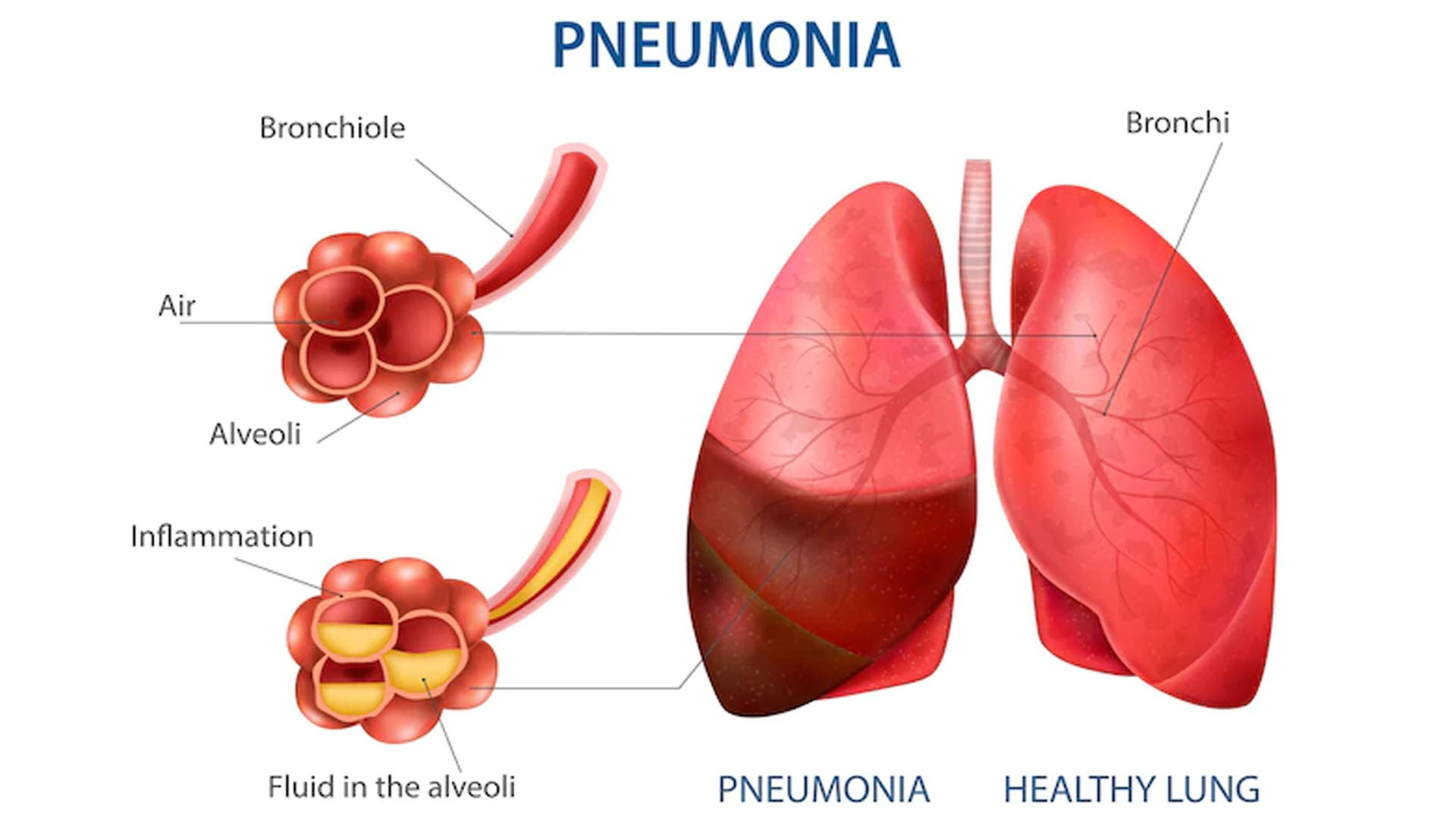
Asthma is a chronic respiratory condition marked by inflammation and narrowing of the airways. Proper management allows individuals to lead active lives while minimizing asthma attacks.
- Common symptoms include wheezing, coughing, shortness of breath, and chest tightness; these can worsen due to allergens or physical exertion.
- A healthcare provider diagnoses asthma through lung function tests such as spirometry alongside an assessment of medical history and symptoms.
- Treatment strategies may involve inhalers that deliver bronchodilators or corticosteroids alongside avoiding known triggers like allergens or smoke.
- This condition requires ongoing monitoring through peak flow meters at home to track lung function regularly.
An effective asthma action plan created in collaboration with healthcare professionals helps patients manage their condition proactively for better quality of life!
CHOLESTEROL MANAGEMENT
Elevated cholesterol levels are a major risk factor for cardiovascular diseases. Understanding how to manage cholesterol can significantly impact overall health outcomes.
- A high level of LDL (bad cholesterol) can lead to atherosclerosis, which may present symptoms like chest pain or fatigue during exertion.
- Diagnosis often involves routine blood tests that measure total cholesterol levels along with LDL and HDL (good cholesterol).
- Lifestyle adjustments such as incorporating more fruits and vegetables into your diet and increasing physical activity can be effective first steps in managing cholesterol levels. Medications like statins may also be prescribed if necessary.
- The goal is to achieve optimal cholesterol numbers that minimize the risk of heart attacks or strokes in the future.
By prioritizing healthy habits and staying proactive about monitoring your cholesterol levels, you can greatly enhance your cardiovascular health over time.
TYPE 2 DIABETES MANAGEMENT
Type 2 diabetes is a metabolic disorder characterized by insulin resistance and high blood glucose levels. Effective management is essential to prevent complications that can affect various organs in the body.
- Symptoms may include increased thirst, frequent urination, fatigue, and blurred vision; however, some individuals may not exhibit any noticeable symptoms.
- Your healthcare provider will perform blood tests such as fasting glucose tests to confirm the diagnosis.
- Management typically includes lifestyle changes like adopting a healthy diet rich in whole grains and vegetables, regular physical activity, and possibly medication to maintain stable blood sugar levels.
- Monitoring your blood sugar regularly can help you understand how food and activity impact your levels.
- Long-term control reduces risks of heart disease, nerve damage, and kidney issues associated with diabetes.
If diagnosed with Type 2 diabetes, working closely with your doctor will empower you to take charge of your health effectively.
HYPERTENSION MANAGEMENT
Hypertension, commonly known as high blood pressure, is often called a silent killer because it typically has no warning signs. Managing this condition is crucial to reduce the risk of serious health issues such as heart disease and stroke.
- Common symptoms include headaches, shortness of breath, and nosebleeds, but many individuals experience none at all.
- Diagnosis is typically made through regular monitoring of blood pressure levels using a sphygmomanometer.
- Treatment may involve lifestyle modifications such as dietary changes, increased physical activity, and medication to lower blood pressure effectively.
- Regular check-ups are important to monitor progress and adjust treatment plans as necessary.
- Successful management leads to improved quality of life and reduces the likelihood of complications associated with hypertension.
If you suspect you have hypertension or have been diagnosed with it, consult with a healthcare professional for appropriate management strategies.