
DR SANJAY SARAN
About Me
DR SANJAY SARAN
DM
ENDOCRINOLOGIST
Biography
My Clinic
OPD Hours
| Monday | Morning | 10:00 AM | - | 02:00 PM |
| Evening | 06:00 PM | - | 09:00 PM | |
| Tuesday | Morning | 10:00 AM | - | 02:00 PM |
| Evening | 06:00 PM | - | 09:00 PM | |
| Wednesday | Morning | 10:00 AM | - | 02:00 PM |
| Evening | 06:00 PM | - | 09:00 PM | |
| Thursday | Morning | 10:00 AM | - | 02:00 PM |
| Evening | 06:00 PM | - | 09:00 PM | |
| Friday | Morning | 10:00 AM | - | 02:00 PM |
| Evening | 06:00 PM | - | 09:00 PM | |
| Saturday | Morning | 10:00 AM | - | 02:00 PM |
| Evening | 06:00 PM | - | 09:00 PM | |
| Sunday | Morning | 10:00 AM | - | 02:00 PM |
| Evening | 06:00 PM | - | 09:00 PM |
Treatments
Specialised care and treatments offered
ADRENAL INSUFFICIENCY TREATMENT
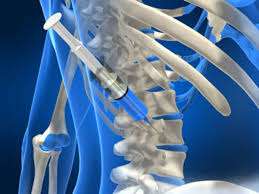
This occurs when the adrenal glands do not produce adequate amounts of certain hormones. Addressing adrenal insufficiency is vital for overall endocrine function and well-being.
- You might experience symptoms such as extreme fatigue, weight loss, low blood pressure, or darkened skin in areas not exposed to sunlight (when caused by Addison's disease).
- Diagnosis includes blood tests to evaluate hormone levels along with ACTH stimulation tests.
- Treatment usually consists of replacing deficient hormones with oral corticosteroids or injectable solutions depending on severity.
Regular reassessments ensure that hormone replacement therapy remains effective in managing symptoms efficiently.
PCOS MANAGEMENT

Polycystic Ovary Syndrome (PCOS) is a hormonal disorder common among women of reproductive age. Managing PCOS involves addressing symptoms effectively to enhance reproductive health and well-being.
- Main symptoms often include irregular menstrual cycles, acne, excessive hair growth (hirsutism), or weight gain around the abdomen.
- The diagnosis may be confirmed via physical examinations alongside ultrasound imaging showing cysts on the ovaries and hormonal assessments.
A holistic approach tailored to individual needs ensures effective management of PCOS while minimizing its impact on daily life.
OSTEOPOROSIS PREVENTION

This condition results in weakened bones that are more prone to fractures. Preventing osteoporosis is essential for maintaining mobility and quality of life as one ages.
- Key risk factors include age, family history, low calcium intake, and certain medications that affect bone density over time.
- Densitometry scans are commonly used for diagnosing osteoporosis by measuring bone mineral density (BMD).
- Management strategies generally involve dietary adjustments rich in calcium and vitamin D, alongside weight-bearing exercises for strengthening bones.
An effective prevention plan can significantly reduce the risk of fractures and other osteoporosis-related ailments later in life.
HYPERLIPIDEMIA TREATMENT

Hyperlipidemia refers to abnormally high levels of lipids (fats) in the blood, which can increase the risk of heart disease. Understanding this condition is crucial for promoting cardiovascular health.
- The main symptoms often go unnoticed; however, they can lead to more serious issues if left untreated.
- A thorough medical history and lipid panel will identify abnormal lipid levels for diagnosis.
- Treatment typically includes dietary modifications, physical activity enhancements, and possibly statin medications when necessary.
- Your healthcare provider will monitor lipid levels regularly to assess the effectiveness of the treatment strategy.
Managing hyperlipidemia involves a commitment to lifestyle changes that promote heart health long-term.
THYROID DISORDERS SCREENING

Thyroid disorders can significantly impact overall health by affecting metabolism and hormone balance. Screening is vital for early detection and treatment.
- Common symptoms include weight change, fatigue, mood swings, and sensitivity to temperature shifts.
- A physician may diagnose these conditions through blood tests measuring TSH, T3, and T4 hormones.
- Treatment often involves medication to manage hormone levels or sometimes surgery in severe cases.
- Regular follow-up appointments are important for adjusting treatment as needed based on ongoing assessments.
Proactive screening helps mitigate potential health risks associated with thyroid disorders.
DIABETES MANAGEMENT

Diabetes is a chronic condition that affects how your body metabolizes sugar (glucose), which is essential for energy. It can lead to serious health complications if not managed properly.
- Symptoms of diabetes include increased thirst, frequent urination, extreme fatigue, and blurred vision.
- The diagnosis is typically confirmed through blood tests that measure glucose levels, including the HbA1c test.
- Treatment options focus on lifestyle changes, such as a healthy diet and regular exercise, along with medications or insulin therapy when necessary.
- Regular monitoring of blood sugar levels is crucial to managing diabetes effectively.
- Patients should expect ongoing education about their condition and personalized care to prevent complications.
A comprehensive management plan can help individuals lead a healthy life despite having diabetes.