
Dr Sanjay Sharma
About Me
Dr Sanjay Sharma
MBBS
General Physician
Biography
My Clinic
OPD Hours
| Monday | Morning | 10:00 AM | - | 02:00 PM |
| Evening | 06:00 PM | - | 09:00 PM | |
| Tuesday | Morning | 10:00 AM | - | 02:00 PM |
| Evening | 06:00 PM | - | 09:00 PM | |
| Wednesday | Morning | 10:00 AM | - | 02:00 PM |
| Evening | 06:00 PM | - | 09:00 PM | |
| Thursday | Morning | 10:00 AM | - | 02:00 PM |
| Evening | 06:00 PM | - | 09:00 PM | |
| Friday | Morning | 10:00 AM | - | 02:00 PM |
| Evening | 06:00 PM | - | 09:00 PM | |
| Saturday | Morning | 10:00 AM | - | 02:00 PM |
| Evening | 06:00 PM | - | 09:00 PM | |
| Sunday | Morning | 10:00 AM | - | 02:00 PM |
| Evening | 06:00 PM | - | 09:00 PM |
Treatments
Specialised care and treatments offered
MANAGING ALLERGIES EFFECTIVELY

Allergies are immune system reactions triggered by exposure to allergens such as pollen, pet dander, certain foods, or medications. These can manifest in various forms ranging from mild sneezing episodes to severe anaphylactic reactions needing immediate attention!
- The symptoms vary widely including runny nose , itchy eyes , hives ,and digestive disturbances depending upon allergen type .
- Diagnosis involves detailed history taking alongside diagnostic tests like skin prick tests and specific IgE assays that ascertain sensitivity against suspected allergens .
- Management strategies range from avoidance measures , antihistamines for symptomatic relief ,to immunotherapy aimed at desensitization over time .
- Regular follow-up allows tailoring treatment approaches best suited for individual responses thus enhancing efficacy greatly!
By understanding allergies well one can handle them better without letting it hinder day-to-day activities!
COLONOSCOPY SCREENING

A colonoscopy is a critical procedure used for both screening and diagnosis related to colorectal health. It allows doctors to examine the inner lining of the large intestine (colon) using a flexible tube equipped with a camera known as a colonoscope.
- This test plays an essential role in detecting polyps, cancerous growths, or other abnormalities before they become serious problems!
- The procedure requires bowel preparation which clears the colon completely ahead of time ensuring reliable results during examination time.
- Your doctor may recommend this test starting at age 45 or earlier if you have risk factors like family history or inflammatory bowel disease (IBD).
MANAGING ASTHMA CONTROL

Asthma is a chronic respiratory condition that affects the airways in the lungs. It causes episodes of wheezing, shortness of breath, chest tightness, and coughing particularly during night or early morning hours.
- The causes include genetic predisposition and environmental triggers such as allergens or pollutants.
- A thorough history and physical exam help diagnose asthma along with lung function tests such as spirometry which measures airflow limitations during breathing tests.
- Treatment may involve inhalers (bronchodilators) for immediate relief and corticosteroids for long-term control based on severity assessment by your physician.
- A personalized asthma action plan will guide patients on how to manage attacks before they escalate into emergencies.
Effective asthma management leads to better quality of life while minimizing the impact of symptoms on daily activities.
PREVENTIVE HEALTH SCREENINGS
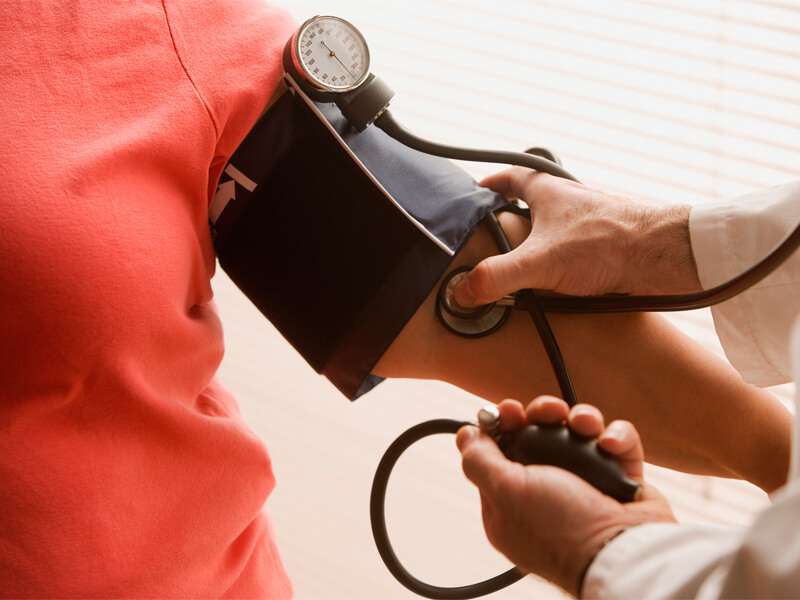
Regular preventive health screenings are vital for early detection of potential health issues. They play a crucial role in averting serious conditions and improving long-term outcomes through early intervention.
- Screenings often include checks for cholesterol levels, blood pressure readings, and cancer screenings based on age group and risk factors.
- The goal is not only to find diseases early but also to promote healthy behaviors before problems arise.
- The frequency of these screenings depends on personal health history but generally occurs annually or biannually based on guidelines from healthcare professionals.
- Poor screening compliance can lead to late-stage diagnoses which are much harder to treat effectively than if identified early on.
A proactive approach toward preventive care can significantly enhance one's health trajectory throughout life.
DIABETES SCREENING AND MANAGEMENT

Diabetes is a chronic condition characterized by high blood sugar levels. Proper management is essential to avoid complications such as heart disease, kidney damage, and nerve problems.
- Causes include genetic factors, obesity, lack of physical activity, and poor diet.
- The diagnosis is made through blood tests that measure glucose levels on an empty stomach or after meals.
- Treatment focuses on lifestyle modifications including diet change, exercise routines, and possibly insulin therapy depending on the type of diabetes diagnosed.
- Regular monitoring of blood glucose levels helps in making essential adjustments to the treatment plan.
- Pursuing education about diabetes can empower patients to manage their condition proactively.
A comprehensive approach will help ensure better control over diabetes and improve quality of life for patients.
HYPERTENSION MANAGEMENT

Hypertension, or high blood pressure, is a common condition that can lead to severe health issues if left untreated. This condition often develops over many years and may show no symptoms until significant damage has occurred.
- Symptoms may include headaches, shortness of breath, or nosebleeds.
- Diagnosis typically involves measuring blood pressure multiple times in various settings to confirm persistent elevation.
- Treatment options include lifestyle changes like diet and exercise, along with medications such as diuretics or ACE inhibitors.
- Regular monitoring is crucial for managing blood pressure effectively and preventing complications like heart disease or stroke.
- Patients should expect regular follow-ups to adjust treatment plans as necessary and achieve optimal management of their condition.
Effective management of hypertension is important to reduce risks and maintain overall health.