
Dr Sanjay Tambi
About Me
Dr Sanjay Tambi
MS
Orthopaedic Surgeons
10 Years Experience
Biography
My Clinic
OPD Hours
| Monday | Morning | 10:00 AM | - | 02:00 PM |
| Evening | 06:00 PM | - | 09:00 PM | |
| Tuesday | Morning | 10:00 AM | - | 02:00 PM |
| Evening | 06:00 PM | - | 09:00 PM | |
| Wednesday | Morning | 10:00 AM | - | 02:00 PM |
| Evening | 06:00 PM | - | 09:00 PM | |
| Thursday | Morning | 10:00 AM | - | 02:00 PM |
| Evening | 06:00 PM | - | 09:00 PM | |
| Friday | Morning | 10:00 AM | - | 02:00 PM |
| Evening | 06:00 PM | - | 09:00 PM | |
| Saturday | Morning | 10:00 AM | - | 02:00 PM |
| Evening | 06:00 PM | - | 09:00 PM | |
| Sunday | Morning | 10:00 AM | - | 02:00 PM |
| Evening | 06:00 PM | - | 09:00 PM |
Treatments
Specialised care and treatments offered
SPINAL DISC HERNIATION TREATMENT
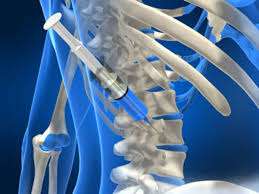
The spinal discs act as cushions between vertebrae but can protrude abnormally causing nerve irritation known as herniation. It frequently results in back pain radiating down limbs.
- Symptoms & triggers: Patients report localized back stiffness accompanied by shooting leg pain (sciatica), numbness or muscle weakness often after lifting heavy loads;
- Diagnostic approach: Evaluation consists of neurological exam plus MRI scanning which accurately reveals disc bulge location;
- Therapeutic options: Conservative treatments include physical therapy focused on core strengthening alongside medications aimed at reducing inflammation; surgery considered only if symptoms persist beyond 6 weeks impairing quality of life severely;
- Recovery insights: Non-surgical therapy results in improvement for majority although some may require microdiscectomy providing quick symptom relief;
Early recognition combined with individualized care plan ensures effective symptom management preventing chronic disability related to disc herniation.
FRACTURE FIXATION SURGERY
A fracture refers to a broken bone that requires precise alignment for proper healing. Surgical fixation stabilizes complicated breaks ensuring faster recovery.
- Causal scenarios & signs: Trauma such as falls or accidents lead to swelling, intense local pain increasing with movement along with visible deformity sometimes present under skin surface;
- Diagnostic tools: X-rays identify fracture pattern while CT scans provide detailed bone images if needed;
- Management strategies: Procedures include internal fixation using plates/screws or rods ensuring fragments remain aligned while healing;
- Expected outcomes: Following surgery immobilization duration varies; early mobilization usually encouraged under supervision aiding restoration of function;
Promptly addressing fractures surgically minimizes complications such as malunion/nonunion improving long term limb usability significantly.
CARPAL TUNNEL SYNDROME TREATMENT

This condition arises due to pressure on the median nerve within the wrist's carpal tunnel causing numbness and tingling in the hand.
- Causative factors & symptoms: Repetitive hand motions or wrist injuries can trigger symptoms including numbness in thumb/middle fingers and occasional hand weakness.
- The diagnostic process: Nerve conduction studies alongside clinical signs confirm compression severity helping exclude other causes of neuropathy.
- Treatment choices: Early stages respond well to wrist splinting at night, activity modification and anti-inflammatory drugs; persistent cases may need steroid injections or surgical decompression through carpal tunnel release procedure.
- The outlook post-treatment: Most patients notice symptomatic relief soon after intervention though some residual discomfort may persist temporarily during healing phase.
A structured approach enables symptom control preserving hand function essential for daily tasks effectively over long term.
ANTERIOR CRUCIATE LIGAMENT (ACL) RECONSTRUCTION

An ACL injury commonly occurs during sports involving sudden stops or changes in direction. It compromises knee stability significantly.
- Signs & causes: Symptoms include a popping sound at injury moment, rapid swelling, pain with weight bearing, and instability when pivoting.
- How it’s diagnosed: Clinical tests like Lachman’s test supported by MRI confirm ligament damage extent.
- Treatment modalities: While minor sprains might be treated conservatively with physiotherapy, complete ACL tears frequently necessitate surgical reconstruction using grafts taken from patient’s own tissues or donor material.
- Your recovery journey: Rehabilitation post-surgery focuses on restoring motion then strength; return to sports generally happens within 6-9 months guided by expert monitoring.
A timely intervention combined with dedicated rehab improves knee function and prevents future instability episodes effectively.
ROTATOR CUFF TEAR REPAIR

The rotator cuff comprises muscles and tendons stabilizing the shoulder. Tears in these tendons can limit arm movement and cause pain.
- Symptoms/causes: Shoulder weakness, persistent pain especially at night or during overhead activities; tears often result from acute injury or chronic degeneration.
- Diagnostic methods: Physical examination paired with MRI or ultrasound imaging helps assess tear size and extent.
- Treatment strategies: Initial management may involve rest, NSAIDs, and physiotherapy; larger or non-healing tears often require surgical repair via minimally invasive arthroscopy or open surgery.
- Recovery expectations: Post-surgery rehabilitation is crucial for restoring strength and flexibility; full recovery may take several months depending on tear severity.
Careful evaluation guides optimal treatment ensuring improved shoulder function over time.
OSTEOARTHRITIS MANAGEMENT

Osteoarthritis is a common joint disorder characterized by the gradual breakdown of cartilage, leading to pain and stiffness. It most often affects weight-bearing joints such as the knees and hips.
- Symptoms and causes: Patients typically experience joint pain, swelling, decreased mobility, and stiffness, especially after periods of inactivity. Age, obesity, joint injury, and repetitive stress contribute to its development.
- Diagnosis: Clinical evaluation combined with imaging techniques like X-rays reveals cartilage loss and bone changes confirming the condition.
- Treatment options: Management includes lifestyle modifications such as weight loss, physical therapy exercises to strengthen muscles around the joint, use of analgesics or anti-inflammatory medications, and in advanced cases, surgical interventions like joint replacement.
- What to expect: With appropriate management, patients can reduce pain levels and improve joint function; however, osteoarthritis is a progressive condition requiring ongoing care.
A proactive approach toward early diagnosis and tailored treatment significantly enhances quality of life for those affected by osteoarthritis.