
Dr Sanjay Verma
About Me
Dr Sanjay Verma
MD
Dermatologist
10 Years Experience
Biography
My Clinic
OPD Hours
| Monday | Morning | 10:00 AM | - | 02:00 PM |
| Evening | 06:00 PM | - | 09:00 PM | |
| Tuesday | Morning | 10:00 AM | - | 02:00 PM |
| Evening | 06:00 PM | - | 09:00 PM | |
| Wednesday | Morning | 10:00 AM | - | 02:00 PM |
| Evening | 06:00 PM | - | 09:00 PM | |
| Thursday | Morning | 10:00 AM | - | 02:00 PM |
| Evening | 06:00 PM | - | 09:00 PM | |
| Friday | Morning | 10:00 AM | - | 02:00 PM |
| Evening | 06:00 PM | - | 09:00 PM | |
| Saturday | Morning | 10:00 AM | - | 02:00 PM |
| Evening | 06:00 PM | - | 09:00 PM | |
| Sunday | Morning | 10:00 AM | - | 02:00 PM |
| Evening | 06:00 PM | - | 09:00 PM |
Treatments
Specialised care and treatments offered
SKIN CANCER SCREENING
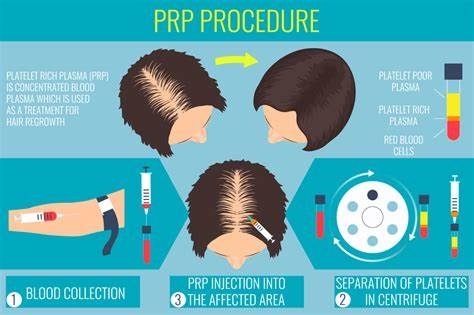
The importance of regular skin cancer screening cannot be overstated given its rising incidence rates globally. Early detection drastically increases treatability prospects making awareness crucial for effective outcome improvements..
CONTACT DERMATITIS
This condition occurs when the skin reacts after touching an irritant or allergen. Symptoms vary based on individual sensitivities but commonly manifest shortly after exposure.
- Symptoms: Redness along with swelling may develop; itching ranges from mild discomfort to severe distress particularly in sensitive areas such as hands or face .
- Diagnosis: Diagnosing this generally requires a thorough history taking coupled with physical examination; patch testing might serve helpful if allergic reactions seem prominent .
- Treatment options: Avoidance strategies stand paramount alongside topical corticosteroids geared towards reducing inflammation followed perhaps by oral antihistamines aiding symptom relief .
- What to expect: Most individuals see rapid improvement upon avoiding triggers while supportive measures bolster healing processes significantly .
Understanding your unique sensitivities plays an integral role in effectively managing contact dermatitis over time .
SKIN INFECTIONS
Skin infections can arise from bacteria, viruses or fungi affecting different layers of the skin. These infections often lead to red patches that might be warm to touch and painful. Identifying the cause is crucial for effective treatment.
- Symptoms: Common symptoms include swelling, redness around the affected area, pus formation or blistering depending on the infection type (e.g., cellulitis vs herpes).
- Diagnosis: Dermatologists diagnose infections through clinical examination alongside possible lab tests such as cultures when necessary to determine pathogen specifics.
- Treatment options: Treatments may involve antibiotics for bacterial infections or antiviral medications for viral conditions while antifungal creams help manage fungal issues as well.
A prompt diagnosis followed by appropriate medication will aid recovery while preventing complications associated with untreated skin infections.
ACNE
Acne is one of the most prevalent skin conditions affecting teens and adults alike. It occurs when hair follicles become clogged with oil or dead skin cells. Hormonal changes are often significant contributors to its onset.
- Symptoms: The primary signs of acne include whiteheads, blackheads, pimples, cysts, and scars resulting from inflammation or infection of clogged pores.
- Diagnosis: Typically diagnosed through visual inspection; dermatologists assess the severity and type of acne to recommend appropriate treatment.
- Treatment options: Various treatment modalities exist including topical retinoids, benzoyl peroxide products, antibiotics for inflammation control, or hormonal therapies in women.
- Expected outcomes: With targeted treatment plans tailored to an individual's specific needs, patients can expect significant improvement in their complexion over time along with reduced frequency of breakouts.
A proactive approach combined with consistent care often leads to effective long-term results in managing acne effectively.
ECZEMA
Eczema, also known as atopic dermatitis, is a common skin condition that causes inflammation and irritation. It often begins in childhood but can occur at any age. Understanding triggers is essential for effective management.
- Symptoms: Individuals with eczema may experience itchy rashes, dry skin, redness, and sometimes oozing lesions during flare-ups.
- Diagnosis: Diagnosis is usually made through clinical evaluation; however, patch testing may help identify specific allergens if contact dermatitis is suspected.
- Treatment options: Effective treatments include applying moisturizers regularly, using topical corticosteroids during flares, and antihistamines for controlling severe itchiness.
- Managing triggers: It's critical to identify potential irritants such as soaps or fabrics that exacerbate symptoms. Keeping a diary can help pinpoint these triggers.
Eczema management focuses on preventing flare-ups and maintaining healthy skin through diligent care routines.
PSORIASIS
Psoriasis is a chronic autoimmune condition characterized by the rapid growth of skin cells, leading to thick, scaly patches. This condition can be triggered by various factors including stress, infections, and certain medications.
- Symptoms: Common symptoms include red patches covered with thick, silvery scales, dry and cracked skin, itching, and burning sensations.
- Diagnosis: Healthcare providers typically diagnose psoriasis based on a physical examination of the skin. In some cases, a biopsy may be performed to rule out other conditions.
- Treatment options: Management strategies may include topical treatments like corticosteroids, phototherapy (light therapy), and systemic medications which can be oral or injected.
- What to expect: While there is no cure for psoriasis, effective management can significantly reduce symptoms and improve quality of life. Patients may experience periods of remission where symptoms improve substantially.
Treating psoriasis involves a comprehensive approach tailored to individual needs to enhance comfort and minimize flare-ups.