
Dr Sanjay Verma
About Me
Dr Sanjay Verma
MD
Internal Medicine
10 Years Experience
Biography
My Clinic
OPD Hours
| Monday | Morning | 10:00 AM | - | 02:00 PM |
| Evening | 06:00 PM | - | 09:00 PM | |
| Tuesday | Morning | 10:00 AM | - | 02:00 PM |
| Evening | 06:00 PM | - | 09:00 PM | |
| Wednesday | Morning | 10:00 AM | - | 02:00 PM |
| Evening | 06:00 PM | - | 09:00 PM | |
| Thursday | Morning | 10:00 AM | - | 02:00 PM |
| Evening | 06:00 PM | - | 09:00 PM | |
| Friday | Morning | 10:00 AM | - | 02:00 PM |
| Evening | 06:00 PM | - | 09:00 PM | |
| Saturday | Morning | 10:00 AM | - | 02:00 PM |
| Evening | 06:00 PM | - | 09:00 PM | |
| Sunday | Morning | 10:00 AM | - | 02:00 PM |
| Evening | 06:00 PM | - | 09:00 PM |
Treatments
Specialised care and treatments offered
CHRONIC OBSTRUCTIVE PULMONARY DISEASE (COPD)
COPD encompasses progressive lung diseases including emphysema and chronic bronchitis. This serious illness often leads to significant breathing difficulties over time due primarily from long-term exposure to irritants like cigarette smoke
GASTROESOPHAGEAL REFLUX DISEASE (GERD)
This chronic digestive condition occurs when stomach acid frequently flows back into the esophagus. GERD can lead to more severe health issues if not managed properly over time.
DIABETES MELLITUS
This chronic condition affects how your body processes glucose (sugar). There are two main types: Type 1 diabetes usually appears in childhood while Type 2 develops later in life due to insulin resistance associated with obesity and lifestyle factors.
- Symptoms: Early signs include increased thirst and hunger, frequent urination, fatigue, blurred vision among others.
- Causes:
HYPERTENSION (HIGH BLOOD PRESSURE)
This silent condition poses significant health risks if left unmanaged. Hypertension occurs when blood pressure readings consistently exceed normal levels over time.
- Symptoms: Often asymptomatic initially; severe cases may present headaches, shortness of breath or nosebleeds.
- Causes: Causes can vary widely from genetics to lifestyle factors such as high salt intake, lack of physical activity or obesity.
- Diagnosis: Regular checks at healthcare visits can help detect hypertension early through consistent blood pressure readings taken during examinations.
- Treatment: Management includes lifestyle modifications like diet changes and exercise. Medication may be necessary for severe cases to manage blood pressure effectively.
- Expectations: With proper management and medication adherence, many individuals maintain healthy blood pressure levels over time.
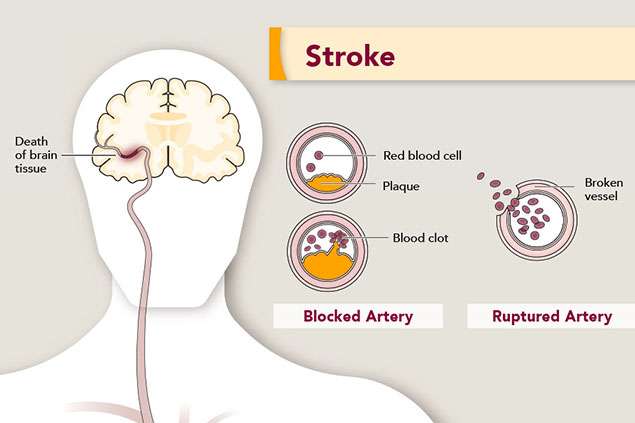
Lifelong monitoring may be required to prevent potential complications related to untreated hypertension such as heart disease or stroke.
PNEUMONIA
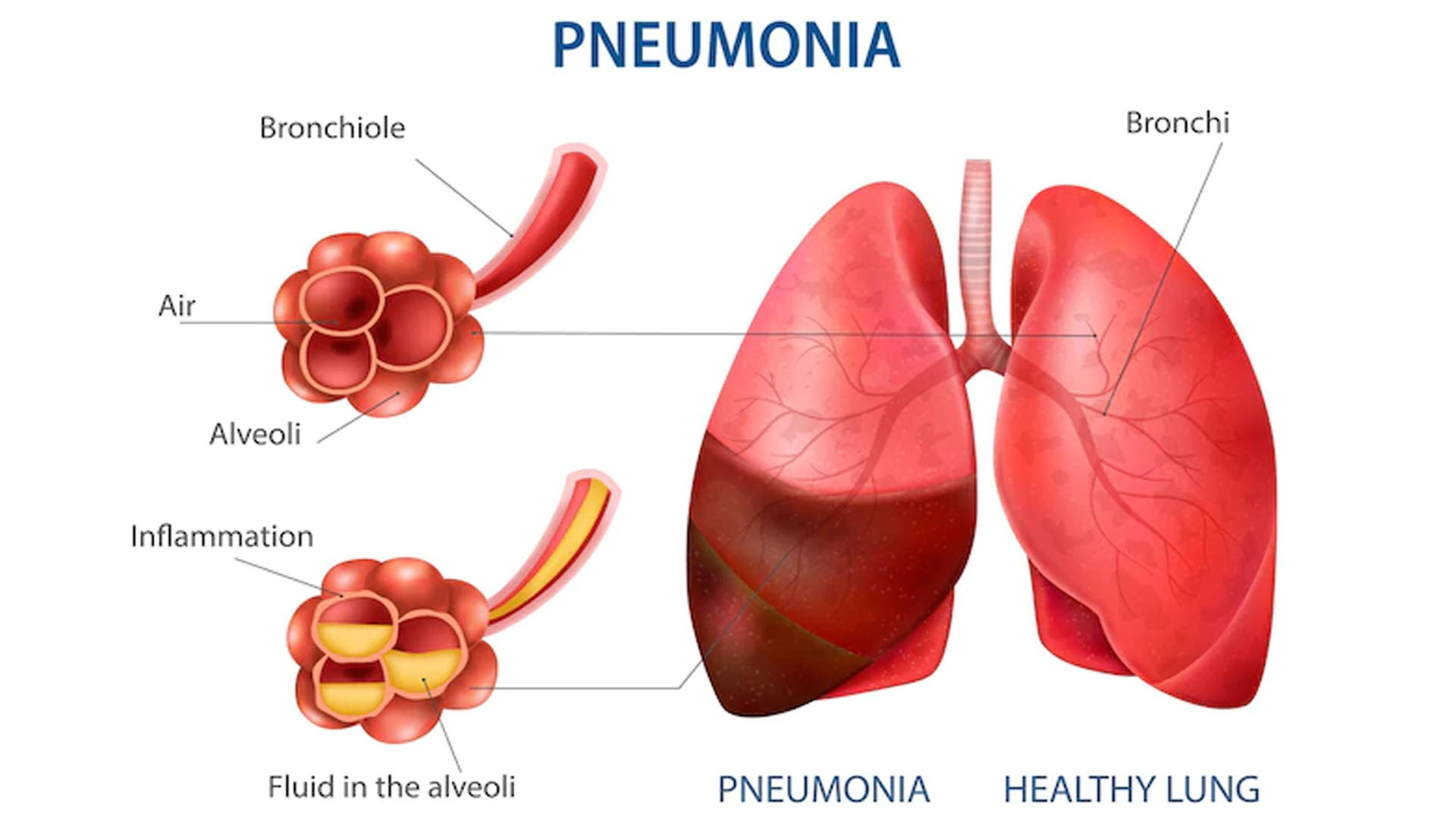
Pneumonia is a lung infection that can be serious and requires immediate attention. It is characterized by inflammation in the air sacs of the lungs which may fill with fluid or pus.
- Symptoms: Common symptoms include cough with phlegm, chest pain, difficulty breathing, high fever and chills.
- Causes: This condition can result from various pathogens; bacterial and viral infections are the most common culprits.
- Diagnosis: Diagnosis usually involves a physical exam along with imaging tests such as chest X-rays and laboratory tests to identify the responsible organism.
- Treatment: Depending on the severity and type of pneumonia, treatment may include antibiotics for bacterial pneumonia or antiviral medications for viral types. Supportive care is essential too.
- Expectations: Many patients feel improvement within a few days of starting treatment; however, complete recovery might take several weeks.
If you experience worsening symptoms or have difficulty breathing, seek medical attention promptly.
ACUTE BRONCHITIS
Acute bronchitis is an inflammation of the bronchial tubes, commonly caused by viral infections. Symptoms typically develop after having a cold or respiratory infection.
- Symptoms: Key signs include a persistent cough, mucus production, fatigue, and occasionally fever.
- Causes: It often arises from viral infections like the flu and can also be triggered by smoking or exposure to irritants.
- Diagnosis: Physicians diagnose this condition based on medical history and a physical examination, often listening to lung sounds with a stethoscope.
- Treatment: Management options include rest, hydration, and over-the-counter medications to alleviate symptoms. In certain cases, bronchodilators may be prescribed.
- Expectations: Most patients recover within weeks; however, persistent cough may linger longer.
If symptoms worsen or do not improve, it’s advisable to seek further medical evaluation for potential complications.