
Dr Sanjeev Jadhav
About Me
Dr Sanjeev Jadhav
Cardiologist
Biography
My Clinic
OPD Hours
| Tuesday | Morning | 10:00 AM | - | 02:00 PM |
| Evening | 06:00 PM | - | 09:00 PM | |
| Wednesday | Morning | 10:00 AM | - | 02:00 PM |
| Evening | 06:00 PM | - | 09:00 PM | |
| Thursday | Morning | 10:00 AM | - | 02:00 PM |
| Evening | 06:00 PM | - | 09:00 PM | |
| Friday | Morning | 10:00 AM | - | 02:00 PM |
| Evening | 06:00 PM | - | 09:00 PM | |
| Saturday | Morning | 10:00 AM | - | 02:00 PM |
| Evening | 06:00 PM | - | 09:00 PM | |
| Sunday | Morning | 10:00 AM | - | 02:00 PM |
| Evening | 06:00 PM | - | 09:00 PM | |
| Thursday | Morning | 10:00 AM | - | 02:00 PM |
| Evening | 06:00 PM | - | 09:00 PM |
Treatments
Specialised care and treatments offered
HEART FAILURE MANAGEMENT

A chronic condition where the heart cannot pump blood efficiently is known as heart failure. Early diagnosis and comprehensive management play vital roles in improving quality of life for those affected by this condition.
- Symptoms: Common signs include shortness of breath during activities or lying down, fatigue during exertion, swollen legs or ankles due to fluid retention.
- Causes: Heart failure may arise from previous heart attacks, hypertension over many years or valve disorders affecting blood flow within the heart itself.
ATRIAL FIBRILLATION
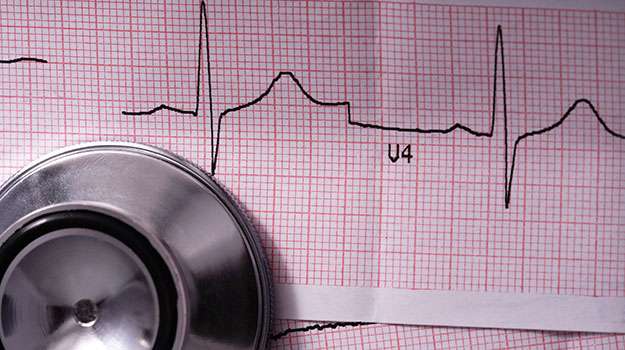
Atrial fibrillation (AFib) is an irregular heartbeat that can increase the risk of stroke and other heart-related complications. Understanding AFib helps individuals manage their condition better.
- Symptoms: Patients may feel palpitations, fatigue, dizziness, or chest pain; however, some may remain asymptomatic.
- Causes: Potential causes include hypertension, coronary artery disease, excessive alcohol consumption or stressors on the heart from other conditions.
- Diagnosis: Electrocardiograms (ECGs) are used to detect AFib by recording electrical signals of the heart over time.
- Treatment: Options encompass lifestyle changes like diet modifications and exercise alongside anticoagulants or antiarrhythmic medications when necessary.
- What to expect: Continuous monitoring with your healthcare provider is crucial for effective management of AFib symptoms and prevention strategies against complications like stroke.
A personalized treatment plan can help most people manage their atrial fibrillation effectively while leading a typical life.
CHOLESTEROL MANAGEMENT
High cholesterol is a critical risk factor for heart disease. It typically results from poor dietary habits and genetic predispositions. Awareness and management are essential for maintaining heart health.
- Symptoms: High cholesterol usually has no symptoms until it leads to more serious issues like heart attacks or strokes.
- Causes: Contributing factors include saturated fats in foods, lack of physical activity, obesity, and smoking.
- Diagnosis: A lipid panel blood test measures cholesterol levels and identifies specific types: LDL (bad) and HDL (good) cholesterol.
- Treatment: Strategies involve adopting a heart-healthy diet low in saturated fats, engaging in regular physical activity, and possibly taking medications if lifestyle changes aren't enough.
- What to expect: Regular check-ups are important to monitor cholesterol levels and adjust the treatment plan as needed.
Caring for your cholesterol levels can significantly decrease the likelihood of developing cardiovascular diseases.
HYPERTENSION
Hypertension, or high blood pressure, is a common condition that can lead to serious health complications if left untreated. It often develops over many years and may not present any noticeable symptoms initially.
- Symptoms: Most individuals do not experience symptoms; however, some may have headaches, shortness of breath, or nosebleeds in severe cases.
- Causes: Factors include genetics, poor diet, lack of physical activity, obesity, and excessive alcohol consumption.
- Diagnosis: Blood pressure is measured using a sphygmomanometer in a healthcare setting. Multiple readings over time are necessary to confirm hypertension.
- Treatment: Management options include lifestyle modifications such as weight loss, exercise, reducing salt intake, and medications as prescribed.
- What to expect: Regular monitoring and follow-ups with your healthcare provider are vital to manage the condition effectively.
With proper management and lifestyle changes, individuals with hypertension can lead healthier lives and reduce their risk of complications.