
Dr Sanjeev K Sha
About Me
Dr Sanjeev K Sha
Internal Medicine
Biography
My Clinic
OPD Hours
| Monday | Morning | 10:00 AM | - | 02:00 PM |
| Evening | 06:00 PM | - | 09:00 PM | |
| Tuesday | Morning | 10:00 AM | - | 02:00 PM |
| Evening | 06:00 PM | - | 09:00 PM | |
| Wednesday | Morning | 10:00 AM | - | 02:00 PM |
| Evening | 06:00 PM | - | 09:00 PM | |
| Thursday | Morning | 10:00 AM | - | 02:00 PM |
| Evening | 06:00 PM | - | 09:00 PM | |
| Friday | Morning | 10:00 AM | - | 02:00 PM |
| Evening | 06:00 PM | - | 09:00 PM | |
| Saturday | Morning | 10:00 AM | - | 02:00 PM |
| Evening | 06:00 PM | - | 09:00 PM | |
| Sunday | Morning | 10:00 AM | - | 02:00 PM |
| Evening | 06:00 PM | - | 09:00 PM |
Treatments
Specialised care and treatments offered
THYROID DISORDERS
The thyroid gland plays a pivotal role in regulating metabolism through hormone production; disorders range from hypothyroidism (underactive thyroid) to hyperthyroidism (overactive thyroid).
ANEMIA
Anemia occurs when the body lacks enough healthy red blood cells or hemoglobin to transport sufficient oxygen throughout the body. Understanding its underlying causes is vital for effective treatment.
- Symptoms: Common symptoms include fatigue, weakness, pallor (pale skin), shortness of breath during exertion, and a rapid heartbeat.
- Causes: Anemia has various causes such as nutritional deficiencies (iron deficiency being the most common), chronic diseases like kidney disorders or liver problems affecting red blood cell production.
- Diagnosis: Blood tests evaluate hemoglobin levels among other indices; additional tests may help determine the specific type and cause of anemia.
- Treatment Management: Treatment could involve dietary adjustments including iron-rich foods or supplements; addressing underlying conditions contributing to anemia might also be required along with potential transfusions in severe cases.
Prompt intervention promotes adequate energy levels while reducing possible complications stemming from untreated anemia.
HYPERLIPIDEMIA
This condition refers to elevated levels of lipids (fats) in the blood which can increase the risk of heart disease if not addressed swiftly. Maintaining healthy cholesterol levels is crucial for cardiovascular health.
- Symptoms: Often there are no noticeable symptoms; it may only be detected through routine blood tests measuring cholesterol levels (LDL and HDL).
- Causes: Genetic factors alongside dietary choices rich in saturated fats contribute significantly to hyperlipidemia's development
- Diagnosis: Regular lipid panels will help identify abnormal lipid profiles requiring intervention.
- Treatment Options: Lifestyle changes—such as increasing physical activity while adopting a heart-healthy diet—are essential measures. Medications including statins may be prescribed when necessary.
- What to Expect: Ongoing assessment through periodic blood testing is necessary for adjusting treatment plans based on lipid levels over time.
Proactive management can effectively reduce cardiovascular risks associated with hyperlipidemia.
CHRONIC OBSTRUCTIVE PULMONARY DISEASE (COPD)
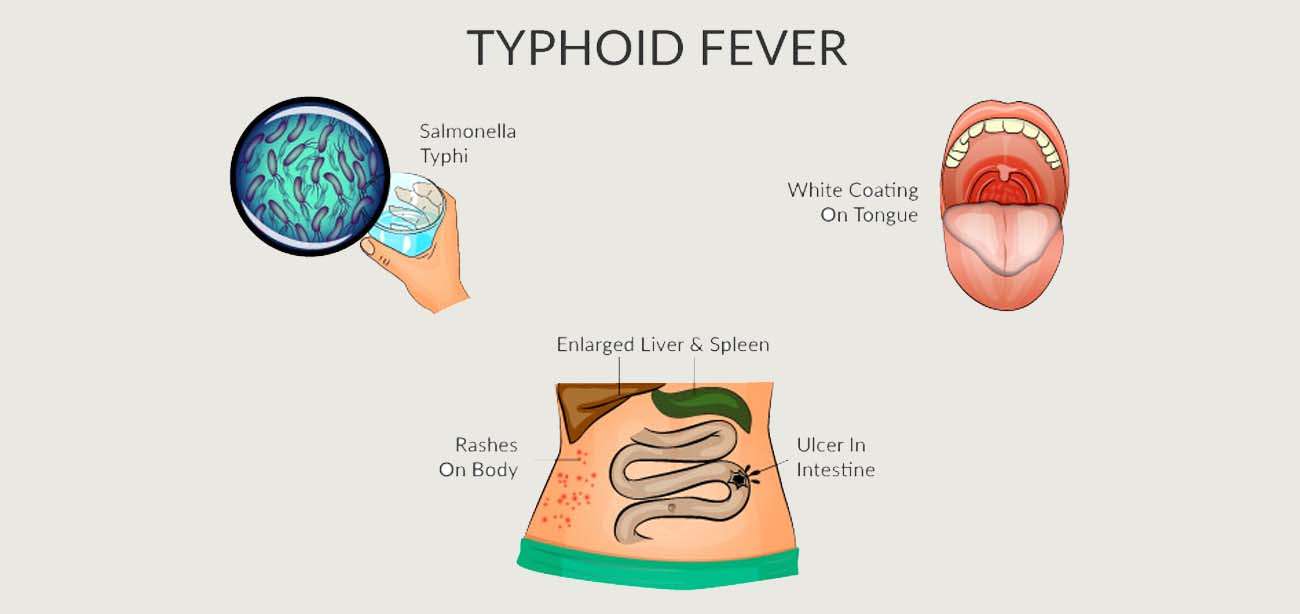
COPD comprises progressive lung diseases that obstruct airflow and make breathing difficult. It's primarily caused by long-term exposure to irritants like cigarette smoke.
- Symptoms: Symptoms include shortness of breath, chronic cough with mucus production, wheezing, and frequent respiratory infections.
- Causes: The leading cause is smoking; however, exposure to pollutants in the environment can also increase the risk of developing COPD.
- Diagnosis: Diagnosis typically involves pulmonary function tests (spirometry) assessing lung capacity and airflow obstruction along with imaging studies like chest X-rays.
- Treatment Options: While there's no cure for COPD, treatments focus on alleviating symptoms through bronchodilators, steroids, oxygen therapy, or pulmonary rehabilitation programs.
A comprehensive management plan helps enhance lung function and improves the overall quality of life for patients with COPD.
DIABETES MELLITUS
This metabolic disorder results in elevated blood sugar levels due to insulin resistance or insufficient insulin production. Early detection is crucial for effective management.
- Symptoms: Frequent urination, increased thirst, fatigue, blurred vision, and slow healing of wounds can indicate diabetes mellitus.
- Causes: Risk factors include genetics, obesity, sedentary lifestyle, and unhealthy eating habits that lead to insulin resistance.
- Diagnosis: Diagnosis typically involves blood tests such as fasting glucose levels or HbA1c tests that measure average blood sugar over time.
- Treatment/Management: Management strategies include lifestyle changes—balancing diet and exercise—and possible medication like insulin therapy or oral medications.
- What to Expect: Continuous monitoring of blood sugar levels is vital for effective long-term management and minimizing complications.
A proactive approach can significantly improve quality of life for those with diabetes mellitus.
HYPERTENSION
Hypertension, or high blood pressure, is a prevalent condition that often goes unnoticed. It can lead to serious health complications if left untreated.
- Symptoms: Many individuals experience no symptoms, but some may suffer from headaches, dizziness, or nosebleeds.
- Causes: Factors such as obesity, lack of physical activity, poor diet, stress, and genetic history contribute to hypertension.
- Diagnosis: Blood pressure is measured using a sphygmomanometer; multiple readings may be needed for an accurate diagnosis.
- Treatment Options: Lifestyle modifications like diet changes and physical exercise are often recommended. Medications such as diuretics or ACE inhibitors may also be prescribed.
- What to Expect: Regular monitoring and adjustments in treatment are crucial for managing this chronic condition effectively.
Managing hypertension is essential for reducing risks of heart disease and stroke.