
Dr Sanjeev K Si
About Me
Dr Sanjeev K Si
MD
Cardiologist
10 Years Experience
Biography
My Clinic
OPD Hours
| Monday | Morning | 10:00 AM | - | 02:00 PM |
| Evening | 06:00 PM | - | 09:00 PM | |
| Tuesday | Morning | 10:00 AM | - | 02:00 PM |
| Evening | 06:00 PM | - | 09:00 PM | |
| Wednesday | Morning | 10:00 AM | - | 02:00 PM |
| Evening | 06:00 PM | - | 09:00 PM | |
| Thursday | Morning | 10:00 AM | - | 02:00 PM |
| Evening | 06:00 PM | - | 09:00 PM | |
| Friday | Morning | 10:00 AM | - | 02:00 PM |
| Evening | 06:00 PM | - | 09:00 PM | |
| Saturday | Morning | 10:00 AM | - | 02:00 PM |
| Evening | 06:00 PM | - | 09:00 PM | |
| Sunday | Morning | 10:00 AM | - | 02:00 PM |
| Evening | 06:00 PM | - | 09:00 PM |
Treatments
Specialised care and treatments offered
PERIPHERAL ARTERY DISEASE LIFESTYLE MODIFICATION

This condition involves narrowing arteries outside the heart primarily affecting legs causing pain during walking known as claudication. Lifestyle improvements form key aspects of managing this disorder conservatively.
HEART FAILURE SELF-CARE EDUCATION
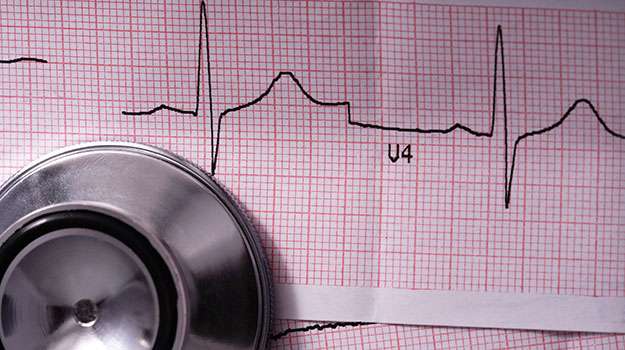
This condition occurs when the heart struggles to pump enough blood for bodily needs. Proper self-care significantly impacts symptom control and quality of life for those affected by heart failure.
- Syndrome Overview & Warning Signs:: Fatigue, swelling in legs/abdomen due to fluid buildup may indicate worsening function needing attention promptly;
CORONARY ARTERY DISEASE RISK REDUCTION
Narrowing or blockage of coronary arteries causes reduced blood flow to the heart muscle. Lowering the risk factors can significantly slow progression and improve prognosis.
- Main Contributing Factors: Smoking, diabetes mellitus, high blood pressure, obesity negatively impact artery health leading to disease development.
- ID Techniques: Stress tests and imaging studies help assess artery function before symptoms worsen into angina or myocardial infarction.
- Lifestyle Management Approaches: Quitting tobacco use is critical. Balanced diets low in saturated fats combined with regular aerobic exercise aid vascular health. Stress reduction techniques also play a supportive role.
- Treatment Goals:: Aim to stabilize plaques through medication adherence while empowering patients with sustainable daily habits promoting heart strength over time.
A proactive lifestyle strategy including behavioral change is fundamental for those at risk or diagnosed with coronary artery conditions seeking improved outcomes without solely relying on invasive procedures.
ATRIAL FIBRILLATION LIFESTYLE SUPPORT
Atrial fibrillation (AFib) is an irregular heartbeat that can increase the chance of stroke and heart-related complications. Alongside medical therapy, lifestyle plays a crucial supporting role in managing AFib.
- Causes & Symptoms: Palpitations, fatigue, dizziness; risk factors include high blood pressure, obesity, alcohol intake, sleep apnea.
- Diagnostic Measures: ECG monitoring identifies abnormal rhythms; continuous or event monitors may be used for intermittent symptoms.
- Lifestyle Modifications: Weight management through diet/exercise reduces AFib burden. Limiting alcohol and caffeine intake lowers triggers. Addressing sleep disorders improves outcomes.
- Treatment Monitoring: Regular checkups ensure rhythm control medications work efficiently alongside lifestyle adjustments.
Lifestyle changes complement medical treatment by reducing episodes frequency/severity to enhance overall wellbeing for people living with AFib.
CHOLESTEROL CONTROL
Elevated cholesterol levels can lead to plaque buildup in arteries, increasing risks of heart attacks and strokes. Managing cholesterol is vital for cardiovascular wellness.
- Symptoms & Causes: High cholesterol typically has no symptoms; causes include diet high in saturated fats, sedentary lifestyle, obesity, and genetic predisposition.
- Assessment: Blood tests measure LDL (bad cholesterol), HDL (good cholesterol), and triglycerides to evaluate risk.
- Lifestyle Interventions: Emphasis on a heart-healthy diet rich in fruits, vegetables, whole grains, healthy fats; regular exercise; smoking cessation; and weight loss helps reduce levels naturally.
- Medical Treatment: Statins or other lipid-lowering agents may be recommended depending on risk profile and response to lifestyle changes.
A comprehensive approach combining lifestyle adjustments with medication when needed contributes significantly to controlling cholesterol for lasting cardiovascular health.
HYPERTENSION MANAGEMENT
High blood pressure, or hypertension, is a common cardiovascular condition that increases the risk of heart disease and stroke. Managing it effectively can prevent serious complications and improve quality of life.
- Causes and Symptoms: Often called a 'silent killer,' hypertension usually shows no symptoms but can stem from factors like genetics, poor diet, obesity, stress, and lack of exercise.
- Diagnosis: It is diagnosed by regularly measuring blood pressure readings above 130/80 mmHg on multiple occasions.
- Treatment Options: Lifestyle modifications such as dietary changes (reducing salt intake), regular physical activity, weight management, and limiting alcohol are first-line treatments. Medication may be prescribed if lifestyle measures alone aren't sufficient.
- Monitoring: Consistent follow-ups to track blood pressure help tailor treatments and ensure optimal control.
Understanding hypertension and adhering to a tailored management plan are essential steps toward maintaining heart health and preventing long-term damage.