
Dr Sanjeev K Upadhyaya
About Me
Dr Sanjeev K Upadhyaya
Cardiologist
Biography
My Clinic
OPD Hours
| Tuesday | Morning | 10:00 AM | - | 02:00 PM |
| Evening | 06:00 PM | - | 09:00 PM | |
| Wednesday | Morning | 10:00 AM | - | 02:00 PM |
| Evening | 06:00 PM | - | 09:00 PM | |
| Thursday | Morning | 10:00 AM | - | 02:00 PM |
| Evening | 06:00 PM | - | 09:00 PM | |
| Friday | Morning | 10:00 AM | - | 02:00 PM |
| Evening | 06:00 PM | - | 09:00 PM | |
| Saturday | Morning | 10:00 AM | - | 02:00 PM |
| Evening | 06:00 PM | - | 09:00 PM | |
| Sunday | Morning | 10:00 AM | - | 02:00 PM |
| Evening | 06:00 PM | - | 09:00 PM | |
| Thursday | Morning | 10:00 AM | - | 02:00 PM |
| Evening | 06:00 PM | - | 09:00 PM |
Treatments
Specialised care and treatments offered
ELECTROPHYSIOLOGICAL STUDY

This specialized test evaluates electrical signals in your heart's rhythm system. An electrophysiological study helps identify arrhythmias—conditions where heartbeat becomes irregular—which could lead patients toward understanding their specific concerns better...
CARDIAC CATHETERIZATION
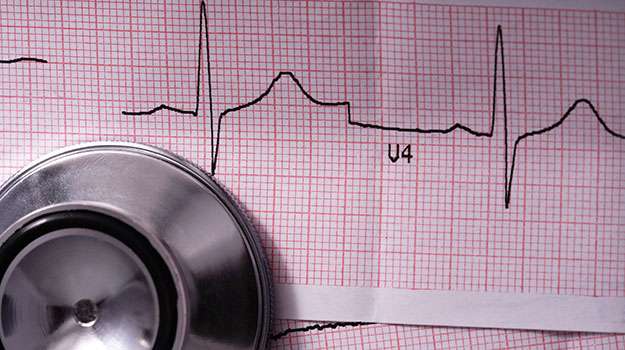
This diagnostic procedure allows direct assessment of various heart conditions by threading thin tubes through blood vessels into the heart chambers. Cardiac catheterization plays a vital role in diagnosing issues such as blockages or structural defects.
- Symptoms: Typical indicators include chest discomfort during exertion, shortness of breath upon effort, unexplained fatigue that could suggest underlying cardiovascular disease.
- Diagnosis: Alongside physical assessments, cardiac catheterization provides real-time imaging guiding further interventions necessary based on results observed during examination.
- Treatment Options: Depending on findings from catheterization procedures conducted beforehand— balloons/stents might be initiated right away if blockages identified.
- Management : Ongoing evaluations post-procedure ensure continued monitoring while maintaining healthy lifestyle practices contributes largely towards symptom relief.
- Recovery Expectations : Patients typically go home within hours post-procedure unless complications arise; symptoms generally decrease significantly following intervention contextually speaking!
The pivotal nature surrounding cardiac catheterizations offers insights leading towards more effective therapeutic strategies while enhancing overall patient-centered care moving forward!
PACEMAKER INSERTION
A pacemaker is a small device implanted under the skin that helps regulate abnormal heart rhythms. This treatment is particularly important for those suffering from bradycardia (slow heart rate) which can lead to severe fatigue or fainting spells.
- Symptoms: Patients often report dizziness, fatigue during exertion, palpitations, or episodes of fainting due to irregular heartbeats.
- Diagnosis: A thorough evaluation involving electrocardiograms (ECGs) will confirm the need for pacing therapy based on heart rhythm patterns observed over time.
Pacemakers have revolutionized treatment for rhythm disorders and allow patients improved quality of life with minimal disruption.
ANEURYSM REPAIR
Aortic aneurysms represent bulges in the wall of major arteries that can lead to serious complications if not treated promptly. Repairing an aneurysm is essential for preventing life-threatening conditions such as rupture or severe hemorrhage.
- Symptoms: Many abdominal aneurysms are asymptomatic; however, some may present as back pain, pulsating sensation in the abdomen, or sudden severe pain if ruptured.
- Diagnosis: Imaging tests like CT scans or ultrasounds effectively identify aneurysms and determine their size and location.
- Treatment Options: Depending on the size, doctors might recommend surgical intervention either through traditional techniques or minimally invasive endovascular approaches to reinforce the vessel walls.
- Management: Post-surgery care typically includes monitoring and lifestyle changes to address risk factors such as hypertension and cholesterol levels.
- Recovery Expectations: Recovery time varies based on surgical technique but generally includes several days in the hospital followed by gradual return home after a week or so.
Aneurysm repair significantly reduces risks and enhances long-term cardiovascular health when performed timely and appropriately.
HEART VALVE REPAIR
This procedure addresses malfunctioning heart valves that may cause symptoms like shortness of breath, fatigue, or swelling. Heart valve repair aims to restore normal function and improve overall cardiac efficiency.
- Symptoms: Patients may notice irregular heartbeat, fatigue during physical activity, or excessive swelling in the legs or abdomen.
- Diagnosis: Echocardiograms are commonly used to visualize valve function and assess severity.
- Treatment Options: Repair techniques can include suturing the valve leaflets or using rings to strengthen them without the need for a complete replacement.
- Management: Long-term care may involve regular check-ups and medication management tailored to each patient’s situation.
- Recovery Expectations: Recovery can vary but generally includes a hospital stay of several days with gradual resumption of normal activities over weeks to months.
A successful valve repair can lead to significant improvements in daily activities and overall well-being.
CORONARY ANGIOPLASTY
Coronary Angioplasty is a minimally invasive procedure aimed at restoring blood flow in narrowed or blocked coronary arteries, often caused by atherosclerosis. This treatment is crucial for patients experiencing chest pain or heart attacks due to restricted blood supply.
- Symptoms: Patients may experience chest pain (angina), shortness of breath, fatigue, or even heart attack signs like sweating and nausea.
- Diagnosis: A coronary angiogram, where dye is injected into the coronary arteries followed by X-ray imaging, helps in identifying blockages.
- Treatment Options: The procedure involves inserting a small balloon into the artery to widen it and often placing a stent to keep the artery open.
- Management: Post-procedure, patients typically need medication like antiplatelets and lifestyle modifications to support heart health.
- Recovery Expectations: Most patients can return home within a day and resume normal activities in about a week, although full recovery may take longer.
Coronary angioplasty can significantly enhance quality of life by alleviating symptoms related to heart disease.