Dr Sanjeev Kanso

Dr Sanjeev Kanso

MS
Orthopaedic Surgeons
4 199 ratings

About Me

Dr Sanjeev Kanso

MS
Orthopaedic Surgeons
10 Years Experience

Biography

Dr. Sanjeev Kanso is a highly skilled orthopedic surgeon with over 10 years of experience dedicated to improving the musculoskeletal health of his patients. His expertise lies in diagnosing, treating, and managing a wide range of conditions related to bones, joints, muscles, ligaments, and tendons. Dr. Kanso is committed to providing compassionate and personalized care, ensuring each patient’s treatment plan is tailored to their unique needs and lifestyle. Throughout his career, Dr. Kanso has developed a reputation for his meticulous approach to orthopedic care. He specializes in treating conditions such as fractures, arthritis, sports injuries, back and neck pain, carpal tunnel syndrome, and joint disorders. Whether the issue is due to injury, age-related wear and tear, or chronic conditions, he applies the latest techniques in both surgical and non-surgical treatments to help restore function and relieve pain. Dr. Kanso completed his Master of Surgery (MS) in Orthopedics from a reputed medical institution, where he gained a strong foundation in both clinical and surgical aspects of orthopedics. Over the past decade, he has worked extensively in hospital settings and private clinics, treating patients from diverse backgrounds. His passion for continuing education keeps him abreast of the most advanced diagnostic tools and innovative treatment options, including minimally invasive surgeries and rehabilitation protocols. Patients appreciate Dr. Kanso’s warm and approachable demeanor, which helps create a comfortable environment where they feel heard and supported. He believes in educating his patients about their conditions and involving them in decision-making, empowering them to achieve the best outcomes. This collaborative approach fosters trust and ensures that patients feel confident and reassured throughout their treatment journey. When it comes to surgical interventions, Dr. Kanso emphasizes safety and precision. He takes great care to explain the procedures, risks, and benefits thoroughly, so patients can make informed choices. For those who prefer conservative management, he provides effective physical therapy guidance and pain management strategies to promote healing and improve quality of life. If you are experiencing bone or joint pain, stiffness, or mobility issues, Dr. Sanjeev Kanso is dedicated to helping you regain your strength and mobility. His goal is to help every patient return to an active and healthy lifestyle with personalized care and expert treatment. By choosing Dr. Kanso, you are placing your orthopedic health in the hands of a trusted professional who truly cares about your well-being.

My Clinic

OPD Hours

Monday Morning 10:00 AM - 02:00 PM
Evening 06:00 PM - 09:00 PM
Tuesday Morning 10:00 AM - 02:00 PM
Evening 06:00 PM - 09:00 PM
Wednesday Morning 10:00 AM - 02:00 PM
Evening 06:00 PM - 09:00 PM
Thursday Morning 10:00 AM - 02:00 PM
Evening 06:00 PM - 09:00 PM
Friday Morning 10:00 AM - 02:00 PM
Evening 06:00 PM - 09:00 PM
Saturday Morning 10:00 AM - 02:00 PM
Evening 06:00 PM - 09:00 PM
Sunday Morning 10:00 AM - 02:00 PM
Evening 06:00 PM - 09:00 PM

Treatments

Specialised care and treatments offered

ANKLE SPRAIN
Ankle Sprain

An ankle sprain occurs when ligaments supporting your ankle stretch beyond their limits or tear. It’s one of the most common injuries among athletes but can affect anyone who twists their ankle unexpectedly.

NCAUSES:
    < li& gt; Causes include sudden changes in direction during sports activity or missteps while walking./ < / li& gt;
{ 1 }/ diagnosing involves checking for swelling and bruising around your ankle./ more advanced imaging (like MRI) may be needed for severe cases./ Treatment generally involves rest ice compression elevation alongside gentle exercises/< li >< near >/ { 1 }{/ / ul }< p > ; Patients are encouraged notto rush recovery involving gradual returns & less risk of re-injury/ < ; p/>

TENNIS ELBOW (LATERAL EPICONDYLITIS)

Tennis Elbow (Lateral Epicondylitis)

Tennis elbow is an overuse injury that causes pain on the outer part of the elbow. It’s not limited only to tennis players; anyone engaging in repetitive arm movements may be affected by this condition.

  • Main symptoms include elbow pain that can radiate into your forearm when gripping objects tightly or using your wrist. 
  • A clinical investigation along with your activity history helps provide a precise diagnosis of this condition.

HIP FRACTURE

Hip Fracture

A hip fracture is a serious injury often resulting from falls, especially in older adults. This type of fracture leads to significant mobility issues if not treated promptly.

  • People with a hip fracture typically present symptoms such as severe hip or groin pain and an inability to bear weight on the affected leg.
  • X-rays or CT scans are essential diagnostic tools for identifying fractures accurately in emergency settings.
  • Surgical intervention is commonly required; procedures may include internal fixation or hip replacement depending on the fracture type.
  • Rehabilitation following surgery is crucial for recovery; it focuses on restoring strength and mobility through physical therapy.

An effective treatment plan enables many patients to regain independence after healing from this significant injury.

SPINAL STENOSIS

Spinal Stenosis

Spinal stenosis refers to the narrowing of spaces within your spine which can cause pressure on the spinal cord and nerves. This condition can lead to varying degrees of pain and discomfort.

  • Individuals may experience sciatica, characterized by leg pain that radiates from the lower back down through the legs.
  • A thorough medical history along with physical exams will aid in diagnosing symptoms effectively.
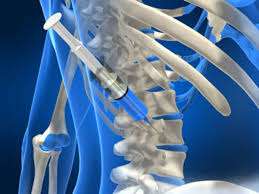
  • Treatment usually involves non-surgical approaches such as medication, physical therapy, or corticosteroid injections for pain relief.
  • If conservative treatments fail, surgical options like laminectomy may be considered to decompress affected areas.
  • Patients are encouraged through education and exercise regimens to maintain spinal health post-treatment.

This proactive approach allows many individuals to return to their previous activities successfully after treatment.

ROTATOR CUFF TEAR

Rotator Cuff Tear

A rotator cuff tear can cause significant discomfort and limit shoulder movement. This condition involves damage to the group of muscles and tendons that stabilize the shoulder joint.

  • Common symptoms include persistent shoulder pain, difficulty reaching overhead, and weakness in lifting objects.
  • A thorough physical examination along with imaging techniques like MRI can help in accurate diagnosis.
  • Treatment typically begins with conservative methods such as rest, anti-inflammatory medications, and physical therapy.
  • If symptoms persist despite these measures, arthroscopic surgery may be considered to repair the tear.
  • Recovery time varies but may take several months; rehabilitation plays a key role in restoring function.

Timely treatment can lead to excellent outcomes for many patients suffering from this injury.

KNEE OSTEOARTHRITIS

Knee Osteoarthritis

Knee osteoarthritis is a degenerative joint disease that affects millions of people worldwide. It occurs when the cartilage that cushions the knee joint wears away, leading to pain, stiffness, and reduced mobility.

  • Symptoms may include swelling, tenderness around the knee, and a grating sensation during movement.
  • The diagnosis is often confirmed through imaging tests such as X-rays or MRIs to assess cartilage loss.
  • Treatment options range from physical therapy and medications to help manage pain and inflammation.
  • In severe cases, surgical interventions like knee arthroscopy or total knee replacement might be recommended.
  • Patients can expect gradual improvements in mobility and quality of life with proper management.

Early intervention is crucial to slowing down the progression of this condition.


FAQs

How do I know if I need surgery?
After detailed evaluations including successful conservative management fails then discussions surrounding surgical recommendations come into play based upon individual assessments.
What types of imaging might I need before treatment?
Common imaging techniques used include X-rays and MRIs—these assist greatly understanding underlying problems prior beginning chosen course adjustments needed towards correct approach.
Can sports injuries lead to chronic issues?
Absolutely! Without appropriate care following injuries sustained during sports activities could lead later complications such mechanics being disrupted--taking conservative measures early prevents further damage.
What should I do if my symptoms worsen?
If you notice a worsening of symptoms at any time post-treatment please reach out immediately so we can address any concerns about healing properly.
Is it normal to experience some pain post-surgery?
Mild discomfort after orthopedic procedures is quite common as part of recovery for various conditions treated here over my ten year practice span within Jaipur.
Are there non-surgical alternatives for treatment?
Yes! Many conditions can be managed without surgery initially. Options such as physical therapy, medications like anti-inflammatories or injections are available. Each case is different so we discuss these alternatives thoroughly.
How long does recovery take after orthopedic surgery?
Recovery time varies based on individual circumstances and surgical procedures. Generally speaking, you can expect anywhere from several weeks up to months before full functionality returns. With ten years in orthopaedics here in Jaipur, I emphasize personalized rehabilitation plans.
What should I expect during my first consultation?
During your first visit, you will undergo a comprehensive assessment which includes discussing your medical history followed by a physical examination. As an experienced orthopaedic surgeon based in Jaipur, I aim to understand your specific needs before recommending any treatments.