
Dr Sanjeev Kumar
About Me
Dr Sanjeev Kumar
MD
Nephrologist
10 Years Experience
Biography
My Clinic
OPD Hours
| Monday | Morning | 10:00 AM | - | 02:00 PM |
| Evening | 06:00 PM | - | 09:00 PM | |
| Tuesday | Morning | 10:00 AM | - | 02:00 PM |
| Evening | 06:00 PM | - | 09:00 PM | |
| Wednesday | Morning | 10:00 AM | - | 02:00 PM |
| Evening | 06:00 PM | - | 09:00 PM | |
| Thursday | Morning | 10:00 AM | - | 02:00 PM |
| Evening | 06:00 PM | - | 09:00 PM | |
| Friday | Morning | 10:00 AM | - | 02:00 PM |
| Evening | 06:00 PM | - | 09:00 PM | |
| Saturday | Morning | 10:00 AM | - | 02:00 PM |
| Evening | 06:00 PM | - | 09:00 PM | |
| Sunday | Morning | 10:00 AM | - | 02:00 PM |
| Evening | 06:00 PM | - | 09:00 PM |
Treatments
Specialised care and treatments offered
HYPERTENSION MANAGEMENT
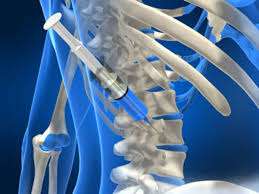
Managing hypertension effectively plays an essential role in preserving kidney health. Uncontrolled high blood pressure leads directly to worsening renal function over time. Recognizing this relationship emphasizes preventive care in treating both conditions concurrently...
- Many individuals may experience no clear symptoms until significant damage has occurred; routine screenings help identify at-risk patients early on?
- Diagnosis relies primarily upon consistent readings exceeding normal values across multiple visits; potential complications necessitate thorough assessments including additional lab work?
- Medications such as ACE inhibitors are often prescribed specifically targeting renoprotection while also lowering systemic pressures; adherence remains vital throughout therapy duration...
- Encouraging lifestyle modifications—like reducing salt intake coupled with regular exercise—complements pharmacological interventions effectively enhancing long-term outcomes
A collaborative approach focusing not only on immediate results but sustainable practices ensures healthier lives filled devoid complications stemming from untreated hypertension over years ahead...
GLOMERULONEPHRITIS TREATMENT

Glomerulonephritis refers to inflammation of the glomeruli within the kidneys. This condition affects their ability to filter waste from the bloodstream efficiently. Addressing it promptly ensures better outcomes through tailored management strategies aligned with underlying causes?
- Symptoms may include hematuria (blood in urine), foamy urine due to proteinuria, high blood pressure, swelling in various body parts due to fluid retention
- Accurate diagnosis usually entails blood tests assessing kidney function alongside urine analyses identifying abnormalities indicative of glomerular damage?
- Treatment approaches vary depending on whether it's acute or chronic; options encompass corticosteroids aiming at mitigating inflammation while addressing any underlying autoimmune complications?
- Lifestyle adjustments—such as maintaining optimal hydration levels alongside controlling hypertension—are essential aspects of patient care following diagnosis?
Taking proactive steps allows many patients experiencing glomerulonephritis maintain healthier kidneys over time while avoiding potential risks associated with progression towards end-stage renal failure?
KIDNEY TRANSPLANTATION

A kidney transplant is a surgical procedure that replaces a diseased kidney with a healthy one from a donor. This option offers a chance at improved health and independence for those with severe renal failure when other treatments are ineffective or unsuitable.
- Candidates typically present with end-stage renal disease where traditional treatments no longer suffice; assessment involves extensive pre-transplant evaluations including imaging studies and comprehensive blood work screenings.
- The surgery entails careful selection of donors—either living or deceased—and requires close compatibility regarding immunology to minimize rejection risks post-surgery.
- Post-transplant care involves lifelong immune suppression medications to prevent organ rejection along with regular follow-up appointments to monitor kidney function closely.
- Education on signs of rejection or infection is fundamental for timely interventions should issues arise after transplantation.
A successful kidney transplant can drastically improve quality of life, allowing patients greater freedom compared to long-term dialysis treatments.
DIALYSIS MANAGEMENT

Dialysis is a medical procedure that replicates kidney functions when someone has lost significant kidney capacity. This treatment is critical for individuals with end-stage renal disease (ESRD) to remove waste products from the blood effectively.
- The primary indication for dialysis includes elevated creatinine levels indicating compromised kidney function alongside clinical symptoms.
- Typically, there are two types: hemodialysis uses a machine to filter blood outside the body, while peritoneal dialysis employs the lining of your abdomen to filter blood internally.
- The decision between these methods depends on individual health status, lifestyle preferences, and medical recommendations.
- Renal diet management becomes crucial during dialysis; adhering to specific dietary guidelines can enhance overall well-being during treatment.
- Patients can often lead normal lifestyles with proper education about their dialysis schedule and self-care strategies.
With effective management plans in place, many people undergoing dialysis experience an improved quality of life while awaiting potential transplantation opportunities.
KIDNEY STONE REMOVAL

Kidney stones are hard mineral deposits that form in the kidneys. They can cause severe pain as they pass through the urinary tract. Understanding treatment options is vital for effective management and relief from discomfort.
- Painful symptoms include sharp back pain, hematuria (blood in urine), and nausea during stone passage.
- Diagnosis typically occurs via imaging tests such as CT scans or ultrasounds to locate the stones accurately.
- Treatment may involve medication for pain relief or procedures like extracorporeal shock wave lithotripsy (ESWL) to break up stones non-invasively.
- Surgical options might be necessary for larger stones that do not pass naturally, such as ureteroscopy or percutaneous nephrolithotomy (PCNL).
- Preventive measures include hydration and dietary modifications based on stone composition.
With timely intervention, most patients can expect significant pain relief and resolution of symptoms associated with kidney stones.
CHRONIC KIDNEY DISEASE

Chronic kidney disease (CKD) is a progressive loss of kidney function over time. Identifying CKD early can significantly improve management and outcomes. This condition may not cause noticeable symptoms in its early stages, making regular check-ups essential for at-risk individuals.
- Common symptoms include fatigue, swelling in the legs or feet, and changes in urination patterns.
- Diagnosis involves blood tests to measure renal function and urine tests to check for protein or blood.
- Treatment strategies focus on slowing progression through lifestyle changes, medications, and managing underlying conditions like hypertension and diabetes.
- Regular monitoring and adjustments to treatment plans are crucial as the disease progresses.
- A multidisciplinary approach may enhance care through dietitians and specialists working together.
Receiving appropriate care helps maintain quality of life and delays the need for dialysis or transplantation.