
Dr Sanjeev Mulekar
About Me
Dr Sanjeev Mulekar
Dermatologist
10 Years Experience
Biography
My Clinic
OPD Hours
| Tuesday | Morning | 10:00 AM | - | 02:00 PM |
| Evening | 06:00 PM | - | 09:00 PM | |
| Wednesday | Morning | 10:00 AM | - | 02:00 PM |
| Evening | 06:00 PM | - | 09:00 PM | |
| Thursday | Morning | 10:00 AM | - | 02:00 PM |
| Evening | 06:00 PM | - | 09:00 PM | |
| Friday | Morning | 10:00 AM | - | 02:00 PM |
| Evening | 06:00 PM | - | 09:00 PM | |
| Saturday | Morning | 10:00 AM | - | 02:00 PM |
| Evening | 06:00 PM | - | 09:00 PM | |
| Sunday | Morning | 10:00 AM | - | 02:00 PM |
| Evening | 06:00 PM | - | 09:00 PM | |
| Thursday | Morning | 10:00 AM | - | 02:00 PM |
| Evening | 06:00 PM | - | 09:00 PM |
Treatments
Specialised care and treatments offered
CRYOTHERAPY
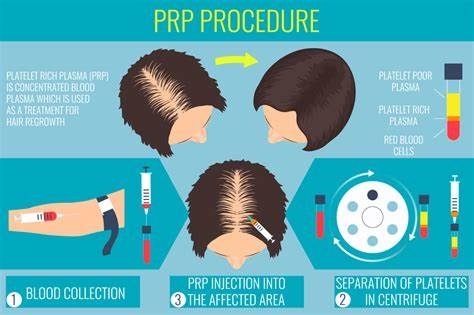
Cryotherapy utilizes extremely low temperatures to treat various dermatological conditions such as warts, actinic keratosis, and some precancerous lesions. This technique freezes abnormal tissue quickly while sparing surrounding healthy cells from damage during procedures performed in-office settings efficiently via liquid nitrogen methods commonly employed today.
- You might notice visible growths like warts or pigmented lesions indicating the need for this intervention due to their appearance or associated discomfort over time requiring expert evaluation first before proceeding further along treatment paths available here too!
PATCH TESTING
This diagnostic method identifies allergens responsible for contact dermatitis by applying small amounts of potential irritants onto the skin. Patch testing helps pinpoint specific reactions to various substances encountered in daily life or work environments.
- The primary symptom leading to this test is an itchy rash or persistent irritation following exposure to suspected allergens or chemicals.
- A detailed medical history guides the diagnosis, followed by applying patches containing various allergens on your back for several days under observation conditions.
- A positive reaction during this period allows dermatologists to recommend tailored avoidance strategies and alternative products based on identified sensitivities.
This proactive approach helps manage symptoms effectively while informing lifestyle choices that minimize future flare-ups associated with allergic responses found through patch testing knowledgeably facilitated by experts.
SCLEROTHERAPY
This minimally invasive procedure targets unsightly varicose veins and spider veins by injecting a special solution directly into the affected vessels. Sclerotherapy leads to vein closure over time, helping restore smoother-looking legs without extensive surgery.
- Symptoms indicating treatment might include bulging veins or discomfort in the affected areas during prolonged standing or walking.
- A detailed diagnosis, often including an ultrasound exam, helps guide treatment decisions and ensures vein assessments are comprehensive.
- The procedure involves injecting a sclerosing agent that irritates vein walls; transparency about potential side effects is essential for patient preparedness.
- Most patients experience minor discomfort but can generally resume normal activities shortly after treatment sessions conclude.
Sclerotherapy is favored for its effectiveness with minimal disruption to your daily life while enhancing aesthetic outcomes transparently discussed with your healthcare provider beforehand.
CHEMICAL PEELS
Chemical peels are versatile dermatological treatments designed to enhance the appearance of the skin by exfoliating its outer layers using chemical solutions. These peels can be tailored for different concerns such as pigmentation issues and signs of aging.
- Common symptoms treated include uneven pigmentation, fine lines, and rough texture.
- A thorough facial examination assists in proper diagnosis, determining the appropriate depth of peel required: superficial, medium, or deep.
- The management options involve applying a chemical solution which causes controlled shedding of damaged skin layers; post-peel care is crucial for optimal healing.
- Peeled areas may appear red but typically reveal fresher, clearer skin within days after treatment completion.
Chemical peels offer an effective way to rejuvenate your complexion with minimal downtime when managed correctly by your dermatologist.
LASER RESURFACING
This innovative cosmetic procedure uses focused laser light to improve skin texture and appearance by removing damaged outer layers. Laser resurfacing can effectively address issues such as wrinkles, acne scars, and sun damage.
- The symptoms prompting this treatment may include uneven skin tone, wrinkles, or noticeable scars.
- It requires a thorough diagnosis, typically through visual examination and discussion of cosmetic goals with a dermatologist.
- Treatment options can vary from ablative lasers that remove layers of skin to non-ablative lasers that stimulate collagen without visible damage to the surface.
- Post-treatment recovery generally includes redness and peeling, but results in smoother, rejuvenated skin.
Your dermatologist will guide you in selecting the best laser option based on your specific needs and skin type.
MOHS MICROGRAPHIC SURGERY
This highly specialized surgical technique is utilized primarily to treat certain types of skin cancer, ensuring that tumor margins are entirely removed while preserving healthy tissue. Mohs surgery is particularly effective for basal cell carcinoma and squamous cell carcinoma.
- Symptoms may include a persistent, non-healing sore or changes in an existing mole.
- Diagnosis often involves a biopsy to confirm the presence of cancerous cells.
- Treatment includes the removal of cancerous skin layers, which are then examined microscopically. This process is repeated until no further cancerous cells are detected.
- Patients can expect minimal scarring and a high cure rate with proper follow-up care.
If you suspect skin cancer, timely consultation can lead to the most effective treatment outcomes.