
DR Sanjeev Roy
About Me
DR Sanjeev Roy
MD
Cardiologist
10 Years Experience
Biography
My Clinic
OPD Hours
| Monday | Morning | 10:00 AM | - | 02:00 PM |
| Evening | 06:00 PM | - | 09:00 PM | |
| Tuesday | Morning | 10:00 AM | - | 02:00 PM |
| Evening | 06:00 PM | - | 09:00 PM | |
| Wednesday | Morning | 10:00 AM | - | 02:00 PM |
| Evening | 06:00 PM | - | 09:00 PM | |
| Thursday | Morning | 10:00 AM | - | 02:00 PM |
| Evening | 06:00 PM | - | 09:00 PM | |
| Friday | Morning | 10:00 AM | - | 02:00 PM |
| Evening | 06:00 PM | - | 09:00 PM | |
| Saturday | Morning | 10:00 AM | - | 02:00 PM |
| Evening | 06:00 PM | - | 09:00 PM | |
| Sunday | Morning | 10:00 AM | - | 02:00 PM |
| Evening | 06:00 PM | - | 09:00 PM |
Treatments
Specialised care and treatments offered
PERIPHERAL ARTERY DISEASE (PAD)

This circulatory condition occurs due to narrowed arteries restricting blood flow primarily in limbs. PAD increases risk for critical limb ischemia if untreated but can be managed effectively when diagnosed early enough.
- Symptoms & Causes: Leg pain while walking (claudication), numbness commonly caused by atherosclerosis related risk factors such as smoking or diabetes.
- Diagnostic Techniques: Ankle-brachial index measurement followed by Doppler ultrasound helps confirm diagnosis.
- Therapeutic Interventions: Smoking cessation remains vital alongside exercise programs; medications like antiplatelet agents aid circulation improvement.
- Prognosis & Follow Up: Regular vascular assessments are needed since PAD raises overall cardiovascular event risks.
Early recognition combined with lifestyle adjustment plus prompt medical treatment can limit progression enhancing limb function significantly.
CHOLESTEROL MANAGEMENT
Dyslipidemia involves elevated levels of cholesterol components that contribute directly to cardiovascular diseases. Regulating lipid profiles helps prevent arterial blockages that could lead to serious events like myocardial infarction.
- Epidemiology & Symptoms: Typically asymptomatic but identified through routine lipid testing revealing high LDL or low HDL cholesterol levels linked to diet or inherited causes.
- Lipid Profile Testing: Blood tests measure total cholesterol including LDL (‘bad’), HDL (‘good’), triglycerides assisting doctors in assessing cardiovascular risk profile accurately.
- Treatment Options Include:= Dietary modification focusing on lowering saturated fats intake alongside statins prescribed as first-line agents for most patients requiring pharmacological intervention.
HEART FAILURE CARE
Heart failure occurs when the heart cannot pump blood efficiently enough to meet body demands. Early detection and treatment markedly improve outcomes in affected individuals.
- Causal Factors & Symptoms: Often caused by coronary artery disease or high blood pressure; symptoms include swelling in legs, shortness of breath during activity or rest.
- Diagnostic Evaluation: Echocardiography evaluates cardiac function while BNP blood tests help assess severity of failure.
- Treatment Strategies: A combination of diuretics to reduce fluid overload, ACE inhibitors to ease workload on the heart along with lifestyle changes forms the cornerstone remedy plan.
- Lifelong Management: Regular monitoring by a cardiologist is crucial for adjusting treatments based on symptom progression or improvement over time.
The condition requires careful coordination between healthcare providers and patients for maintaining optimal quality of life despite chronic illness challenges.
ATRIAL FIBRILLATION (AFIB) MANAGEMENT
Atrial fibrillation is an irregular heartbeat that can increase stroke risk if untreated. Managing AFib aims at controlling heart rhythm and preventing clots formation in the atria.
- Causative Factors & Signs: AFib may stem from hypertension, heart valve issues, or infections; patients might feel palpitations or fatigue but sometimes remain asymptomatic.
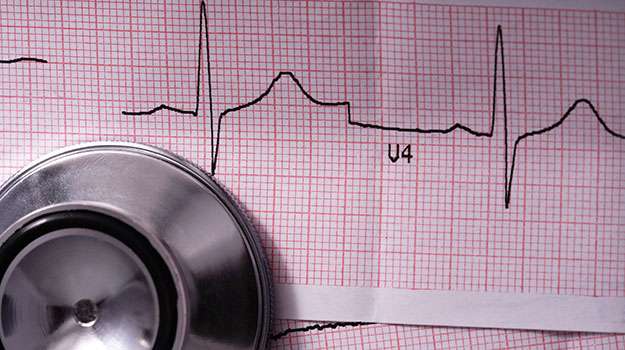
- Diagnostic Methods: Electrocardiogram (ECG) is vital for detecting irregular rhythms; Holter monitoring assesses intermittent episodes.
- Treatment Modalities: Rate control medications like beta blockers, rhythm regulation drugs, anticoagulants for stroke prevention are integral parts of therapy.
- Lifestyle & Monitoring: Avoiding stimulants such as caffeine plus routine checkups ensure effective symptom management and minimize risks.
If carefully managed through medical intervention combined with lifestyle adjustments, AFib patients can lead active lives with reduced complications.
CORONARY ARTERY DISEASE (CAD)
This condition arises when plaque build-up narrows the coronary arteries, leading to reduced oxygen supply to the heart muscle. Timely management prevents worsening symptoms and complications.
- Symptoms & Causes: Common signs include chest pain (angina), shortness of breath, fatigue; caused mainly by cholesterol deposits due to poor diet or genetics.
- Diagnostic Tools: Stress tests, ECGs, echocardiograms, and coronary angiography help evaluate severity and guide treatment plans.
- Treatment Approach: Includes lifestyle modification, cholesterol-lowering statins, antiplatelet drugs, and in some cases angioplasty or bypass surgery.
- Expectation: Patients often require long-term care with risk factor control to improve quality of life and prognosis.
An integrated approach combining medications with healthy habits can effectively manage CAD and reduce adverse cardiac events.
HYPERTENSION MANAGEMENT
High blood pressure, or hypertension, is a common cardiovascular condition that requires ongoing care to prevent serious complications. Controlling blood pressure helps reduce risks such as heart attacks and strokes.
- Causes & Symptoms: Often called a silent condition, hypertension may show no symptoms but can be influenced by genetics, diet, stress, and lifestyle factors.
- Diagnosis: It involves regular monitoring of blood pressure readings using sphygmomanometers or ambulatory devices for accurate assessment.
- Treatment Options: Lifestyle changes like reducing salt intake, exercise, and medication including ACE inhibitors or beta blockers are commonly employed.
- Management: Consistent follow-up and adherence to medications alongside periodic lab tests are essential to keep blood pressure within target ranges.
Effectively managing hypertension significantly lowers the chances of heart disease and kidney damage over time when properly addressed with medical guidance.