
Dr Sanjeev Suri
About Me
Dr Sanjeev Suri
MS
General Surgeons
10 Years Experience
Biography
My Clinic
OPD Hours
| Monday | Morning | 10:00 AM | - | 02:00 PM |
| Evening | 06:00 PM | - | 09:00 PM | |
| Tuesday | Morning | 10:00 AM | - | 02:00 PM |
| Evening | 06:00 PM | - | 09:00 PM | |
| Wednesday | Morning | 10:00 AM | - | 02:00 PM |
| Evening | 06:00 PM | - | 09:00 PM | |
| Thursday | Morning | 10:00 AM | - | 02:00 PM |
| Evening | 06:00 PM | - | 09:00 PM | |
| Friday | Morning | 10:00 AM | - | 02:00 PM |
| Evening | 06:00 PM | - | 09:00 PM | |
| Saturday | Morning | 10:00 AM | - | 02:00 PM |
| Evening | 06:00 PM | - | 09:00 PM | |
| Sunday | Morning | 10:00 AM | - | 02:00 PM |
| Evening | 06:00 PM | - | 09:00 PM |
Treatments
Specialised care and treatments offered
COLON CANCER SCREENING

BOWEL OBSTRUCTION

Bowel obstruction occurs when there is a blockage that prevents food or fluid from passing through. This serious condition can arise due to various factors including adhesions from previous surgeries or tumors.
- Affected individuals may experience severe abdominal pain along with bloating and nausea as key symptoms.
- A timely diagnosis typically involves imaging studies such as X-rays or CT scans that reveal blockages and their locations in the intestines.
- Treatment options range from non-invasive measures like decompression through nasogastric tubes to surgical procedures for removing obstructions when necessary.
Persistent symptoms should prompt immediate medical attention as early intervention can markedly improve outcomes in these cases.
DIVERTICULAR DISEASE
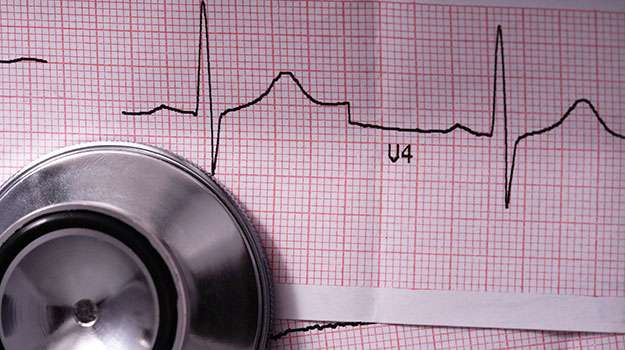
This condition affects the colon where small pouches called diverticula form. While often asymptomatic, they can lead to complications if inflamed or infected.
- The most common symptoms during flare-ups include lower abdominal pain and changes in bowel habits.
- A provider may use endoscopy or imaging tests for an accurate diagnosis.
- Mild cases might be managed with dietary adjustments and medications, whereas severe instances could require surgical intervention to remove affected sections of the intestine.
This condition emphasizes the importance of dietary fiber and regular check-ups for proactive management and prevention of complications.
GALLBLADDER DISEASE
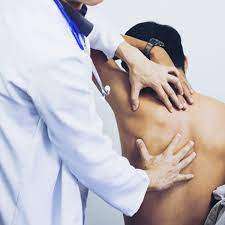
The gallbladder plays a crucial role in digestion by storing bile; however, it can develop various issues leading to pain and discomfort. Gallstones are one of the most common problems associated with this organ.
- Pain in the upper right abdomen after meals is a common symptom.
- Healthcare providers diagnose these conditions using medical history reviews along with imaging techniques like ultrasound or CT scans.
- Treatment may involve lifestyle changes or surgery such as cholecystectomy for severe cases where stones cause significant problems.
- The prognosis post-surgery is generally good, allowing patients to resume normal activities relatively quickly compared to untreated conditions.
A proactive approach toward gallbladder health is essential for maintaining overall digestive well-being.
HERNIA REPAIR
A hernia occurs when an organ or tissue pushes through a weak spot in the abdominal wall. This condition often requires surgical repair to prevent complications.
- Common symptoms include a noticeable bulge in the affected area along with discomfort or pain.
- A physician can make a diagnosis through a physical examination and sometimes using imaging tests to assess severity.
- Treatment options include open surgery or minimally invasive laparoscopic techniques to reinforce the abdominal wall.
- Post-surgery recovery typically involves restrictions on physical activity for several weeks to ensure proper healing.
Surgery for hernias is a common procedure with high success rates for alleviating symptoms and preventing future complications.
APPENDICITIS
Appendicitis is a condition characterized by the inflammation of the appendix, typically requiring surgical intervention. It can arise suddenly and is considered a medical emergency.
- Symptoms often include abdominal pain, nausea, vomiting, and fever.
- The diagnosis may involve physical examinations, blood tests, and imaging studies such as ultrasound or CT scans.
- Treatment usually involves an appendectomy, which is the surgical removal of the appendix.
- If treated early, recovery is generally quick with minimal complications; however, delaying treatment can lead to serious issues.
Understanding this condition empowers patients to seek timely care when symptoms arise.